Most of Australia’s conservation efforts ignore climate risks – here are 3 fixes
- Written by: Yi Fei Chung, PhD Candidate in Environmental Policy, The University of Queensland
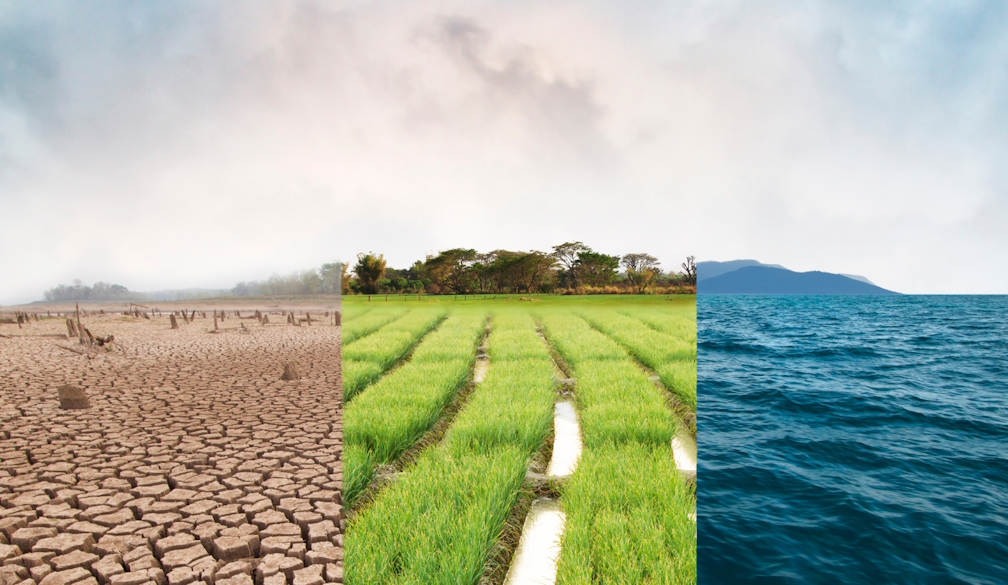
Imagine replanting various native species only to have them die because the area is too hot or too dry. Or reconnecting woodland habitat only to lose large tracts to bushfire.
Well, our new research[1] suggests those scenarios are entirely possible.
We analysed the two most common ways to prevent overall biodiversity loss on private land in Australia. We found these efforts largely ignore climate risks such as fire, heat, drought and floods.
Climate change is already threatening the survival of species[2]. Unless conservation efforts are made more resilient to climate change, Australia’s aim to[3] to reverse biodiversity loss[4] could fail.
What we found
We examined two types of biodiversity measures in Australia. One is “biodiversity offsets[5]”, which aim to compensate for damage caused by development. The other is voluntary conservation programs[6], including “conservation covenants[7]”.
We analysed 77 policy documents underpinning nine biodiversity offset policies and 11 voluntary conservation programs.
Of the 77 documents, 84% did not consider the impact of climate change. What’s more, only 44% of biodiversity offset policies and 27% of voluntary conservation programs considered climate risk. Even then, they often lacked detail or tools to translate policy into real action on the ground.
The most common climate adaptation strategies were:
- safeguarding climate refuges
- connecting habitat so wildlife can escape extreme heat, fires or droughts
- targeting funding
- avoiding offset sites vulnerable to threats such as sea-level rise.
But most documents lacked details on implementing these strategies.
We suggest three practical steps to ensure conservation efforts deliver lasting results in a changing climate.

1. Identify and protect climate refuges
Climate refuges are areas somewhat shielded from the effects of climate change. Gullies, sheltered slopes and forests with good water supplies can help species survive during heatwaves and droughts.
These places can provide a lifeline for endangered species[9] and prevent local extinctions[10]. Species may shelter in these areas during climate extremes and recolonise well-connected habitats when conditions improve.
Protecting climate refuges by restricting land clearing or other damaging activities is a common climate adaptation strategy. We found it featured in six policy documents supporting voluntary conservation programs and biodiversity offsets across Australia. But few policy documents explain where these places are or how to protect them.
For example, the New South Wales Biodiversity Conservation Investment Strategy[11] lists climate refuges as high-priority assets under threat. The strategy says future investment should target these areas.
But we found no explanation of how investments would be prioritised, or where to find that information. Without this detail, mentioning climate refuges in policy documents is little more than having good intentions.
To be effective, refuges need to be mapped, prioritised and supported with appropriate protections and incentives. Nature law reform must strengthen protection of climate refuges to prevent further loss.
Conservation programs could also specifically incentivise landholders to protect or restore refuges[12] on their properties.
Here’s how to protect Australia’s native species from climate change (The Climate Council)2. Promote the actions that build resilience
On the ground, conservation actions must adapt to climate change. That could mean doing things differently. For example, planting species more likely to survive future climates, or connecting habitat so wildlife can move to new areas.
While these strategies are well established[13], we only found three policy documents that mention them. One is the Heritage Agreement[14] policy in South Australia. This offers guidance and potential funding to help landholders implement these actions.
As Australia’s nature laws are reformed, funding commitments and conservation guidelines need to follow suit.
Financial incentives or technical support could be offered to landholders for activities that build resilience. Biodiversity offset policies could also mandate conservation actions that improve climate resilience at offset sites.
3. Adapting to climate change needs to link policy to on-ground action
Our research found a clear gap between high-level intent and guidelines for on-ground actions. If they don’t line up, then conservation efforts risk falling short. Field programs may lack legal backing, or legislation may not translate into action where it matters most.
Climate change should be considered at all levels of conservation policies – from high-level legislation to guidelines for implementing individual programs.
Policies should include clear and consistent targets informed by climate risk. This should be supported by regulations ensuring compliance and practical guidelines for on-ground action.
Voluntary conservation programs in New South Wales show how it can be done. State biodiversity conservation legislation[15] includes conserving biodiversity under climate change as a key objective. This can then shape real-world programs. For example, the NSW Conservation Management[16] plan echoes this climate commitment. It makes addressing climate change impacts one of the main targets.
A chance to get it right
National nature law reform[17] and state reviews[18] present an opportunity to future-proof Australia’s conservation policies.
These policies must consider the accelerating pace of change and ensure adaptation is embedded through to action. Such actions must be clear, well-resourced, and equipped with practical tools government agencies and landholders can use.
Otherwise, we risk making conservation policies unfit for the future – missing a golden opportunity to safeguard biodiversity.
Read more: Want genuine progress towards restoring nature? Follow these 4 steps[19]
References
- ^ our new research (doi.org)
- ^ threatening the survival of species (theconversation.com)
- ^ aim to (www.dcceew.gov.au)
- ^ reverse biodiversity loss (www.nature.org)
- ^ biodiversity offsets (www.dcceew.gov.au)
- ^ voluntary conservation programs (www.qld.gov.au)
- ^ conservation covenants (www.dcceew.gov.au)
- ^ Chung, Y. F., et al, (2025) Biological Conservation (www.sciencedirect.com)
- ^ lifeline for endangered species (nccarf.edu.au)
- ^ prevent local extinctions (doi.org)
- ^ Biodiversity Conservation Investment Strategy (www.environment.nsw.gov.au)
- ^ incentivise landholders to protect or restore refuges (dx.doi.org)
- ^ these strategies are well established (theconversation.com)
- ^ Heritage Agreement (www.environment.sa.gov.au)
- ^ biodiversity conservation legislation (legislation.nsw.gov.au)
- ^ NSW Conservation Management (www.bct.nsw.gov.au)
- ^ nature law reform (www.dcceew.gov.au)
- ^ state reviews (www.nsw.gov.au)
- ^ Want genuine progress towards restoring nature? Follow these 4 steps (theconversation.com)