Solar power installations can catch fire. Incidents increasing.
- Written by: The Times
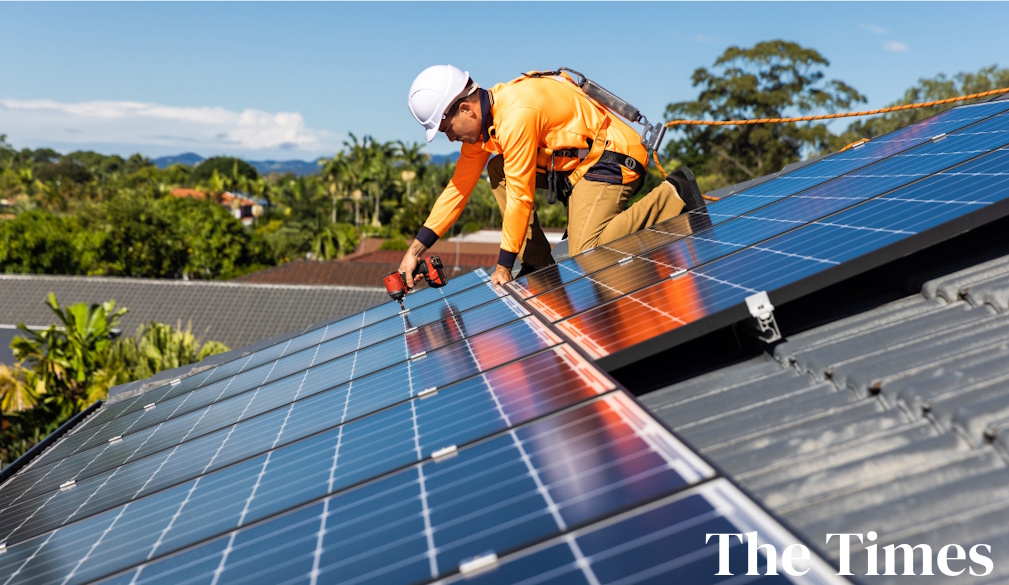
Solar energy has become a familiar sight across Australia. Rooftops on suburban homes, warehouses, shopping centres and apartment buildings are increasingly covered with photovoltaic panels that convert sunlight into electricity, reducing power bills and helping to lower demand on the electricity grid.
For the overwhelming majority of owners, solar systems operate safely for many years. Yet when fires involving solar installations make headlines, an important question inevitably follows: are solar panels themselves a fire risk?
The answer is more nuanced than many people realise.
The Panels Are Rarely the Problem
Modern solar panels are designed to withstand decades of exposure to harsh Australian weather. They are manufactured to strict standards and, by themselves, are not generally regarded as a common source of ignition.
Where problems are more likely to occur is elsewhere in the system.
A solar installation includes wiring, connectors, isolators, inverters, switchboards, meter boxes and, increasingly, battery storage systems. Every connection is another point where poor workmanship, damaged components or deterioration over time can create heat.
Electrical heat is the enemy of any electrical installation.
Installation Matters
Many industry experts point to installation quality as one of the most important safety factors.
Loose electrical connections, incorrectly terminated cables, damaged insulation or poorly fitted connectors can create resistance. Resistance generates heat and, if left undetected, can eventually lead to equipment failure or, in rare cases, fire.
This is why choosing an experienced, licensed installer is often considered just as important as choosing quality equipment.
The cheapest quote may not represent the best long-term value if corners are cut during installation.
Commercial Buildings
Commercial properties often have much larger solar systems than homes.
Shopping centres, factories, warehouses and office buildings may have hundreds or even thousands of panels feeding significant amounts of electricity into the building.
The larger the installation, the greater the importance of regular inspections and maintenance. Businesses also have additional responsibilities because a fire may interrupt operations, affect employees and customers, and result in substantial financial losses.
Homes and Apartment Buildings
Residential systems are generally smaller but still deserve proper attention.
A fault in a rooftop installation can cause more than property damage. Families may need to leave their homes while repairs are carried out, insurance claims are assessed and damaged electrical equipment is replaced.
Apartment buildings present additional challenges because solar equipment may be installed on shared roofs, with electrical infrastructure serving multiple occupants. Repairs and insurance claims can become more complex where owners' corporations and strata arrangements are involved.
What About Home Batteries?
Battery storage is becoming increasingly popular as households seek to use more of the electricity they generate.
Modern lithium battery systems incorporate sophisticated monitoring and safety controls, and reputable products are designed with multiple protective features.
However, batteries store significant amounts of energy and must be installed exactly as manufacturers specify. Correct location, ventilation, electrical protection and ongoing maintenance all contribute to safe operation.
As with solar systems generally, installation quality is critical.
Reducing the Risk
Property owners can take several practical steps to improve safety:
- Choose licensed, experienced solar installers with an established reputation.
- Select recognised equipment from reputable manufacturers.
- Ensure the installation complies with Australian standards and local regulations.
- Have the system inspected if damage, water ingress or unusual electrical issues are suspected.
- Consider periodic inspections as the system ages.
- Follow manufacturer guidance for battery maintenance and operation.
The Bottom Line
Solar power has transformed the way Australians generate electricity and, when properly designed and installed, remains a safe and reliable technology.
The greatest risks are typically not the solar panels themselves but faults in electrical connections, associated equipment or poor installation practices.
Given that a serious electrical fire can lead to temporary relocation, insurance claims, expensive repairs and months of disruption, investing in quality equipment and employing reputable, experienced installers is often money well spent.
When it comes to solar power, the cheapest installation may not always be the least expensive choice over the life of the system.