The majority of drowning victims in Australia are men. There are strategies to keep everyone safe
- Written by: Tom Hartley, Lecturer in Health and Physical Education, University of Tasmania
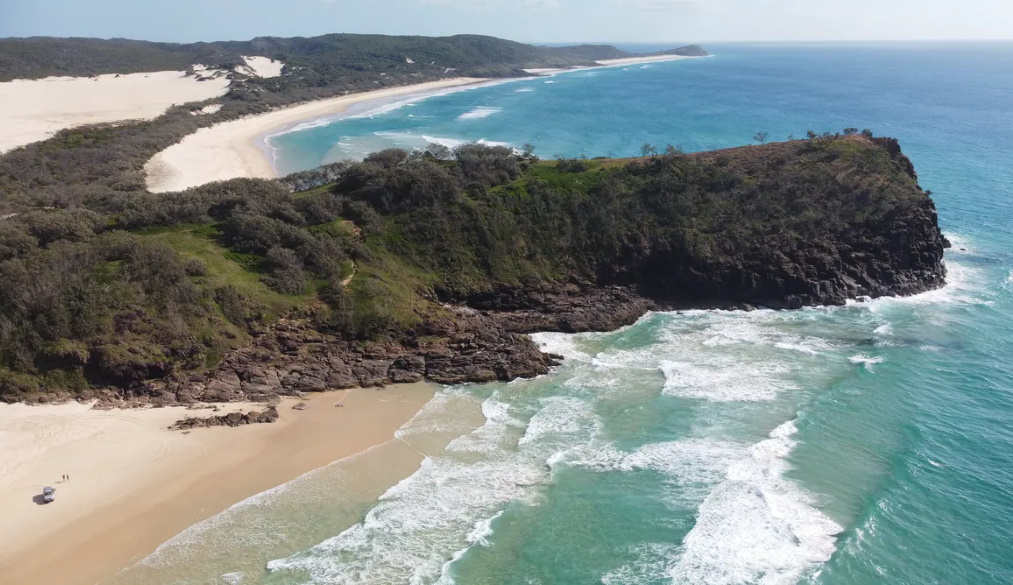
Whether it’s sun-soaked beaches, winding rivers, or backyard pools, the aquatic environment is central to the Australian lifestyle.
For many, water is a source of leisure, sport, and relaxation, but it also poses serious risks.
Australia faces persistent challenges with drowning incidents, particularly during the summer months when water activities peak.
The current ten-year average shows there are around 278 drowning deaths[1] annually. These deaths mainly occur at beaches and rivers.
Many deaths occur during holidays such as Christmas[2], Australia Day[3] and long weekends[4].
These figures could have been much worse, with more than 8,800[5] rescues performed by lifeguards and volunteer surf lifesavers in the past year.
In Australia, there are many stories the numbers can tell, but one persistent trend shows men are at much higher risk of drowning: in 2023/24[6], men accounted for 82% of the 323 drowning deaths.
This alarming gender gap raises important questions: why are men so much more at risk around water? What factors contribute to these high drowning rates, and how can we address them?
Risk-taking behaviour
Recent research[7] from Australia[8] and overseas[9] has found men are more likely to engage in risky behaviours.
This is especially true for young men[10] under 30, who are more likely to take risks due to thrill seeking[11], peer pressure[12], drugs[13] and alcohol[14], and to impress a potential partner[15].
From 2010 to 2019, there were seven times[16] as many male drowning deaths (aged 15-29) than female deaths in this age group.
Interestingly, research[17] has also found the presence of a romantic partner reduced the likelihood of young men taking risks.
Surf Life Saving Australia has stated risk-taking[18] – such as the use of alcohol and drugs – overestimation of abilities, and the absence of appropriate safety precautions including life jackets[19], are key contributors to the over-representation of men in our drowning statistics.
Impact of alcohol and drugs
A 2022 study[20] of young Australians showed clear differences between males and females when it comes to drinking alcohol and swimming.
Nearly half of the male participants (48%) admitted to swimming after drinking, compared to 38% of women. Even though both groups understood the dangers, males tended to downplay the risks, often influenced by wanting social approval and excitement.
Alcohol consumption is a significant contributor[21] to drowning in Australia, with nearly 20% of drownings of men aged 25-44[22] involving a blood alcohol content[23] of 0.05% or more.
This trend was most evident in the Northern Territory[24], where 60% of drownings in 2023/24 involved drugs and 80% involved alcohol.
Overestimation of abilities
There can be a gap between perceived and actual swimming abilities, particularly among males[25], who are more likely to overestimate their skills.
Men also tend to underestimate the dangers of the aquatic environment.
Higher perceived swimming competency is linked to a lower perception of risk[26], suggesting some people, particularly men, may be overly confident in their ability to handle dangerous situations.
This optimism can lead them to underestimate[27] potential hazards, increasing their vulnerability to risky behaviours.
Deaths while attempting to rescue
In Australia, the overwhelming majority of drowning deaths during rescue attempts involve males, who constitute 90%[28] of these fatalities.
Often, these people are attempting to save family members, with 67% of rescuer drownings involving someone trying to assist a loved one.
This “rescue altruism” reflects a sense of duty, courage, and personal responsibility, especially within family dynamics.
However, most of these men lack water rescue training, which increases their vulnerability when faced with dangerous water conditions.
Oceans/harbours
The 45 drownings that occurred in the ocean/harbour in 2023/24 was a 15% increase[29] on the ten-year national average.
These deaths predominantly occur offshore, in summer and in the afternoon; 93% were men.
Many of these deaths involved boats and watercraft. While the majority[30] of boat licence holders are male[31] they are still over-represented in boating related deaths.
Other insights
People from disadvantaged and regional areas[32] drowned at a higher rate than those from more advantaged areas, particularly in children aged 5–14.
This statistic may reflect the high cost of swimming lessons, which can be too expensive for lower income families, especially during the current cost of living crisis.
Almost half of all beach drowning deaths since 2004 have been people born overseas[33].
In 2023-24, 83 overseas-born people drowned (approximately 25%[34] of all drowning fatalities); 81% of overseas born drowning fatalities were male, including a substantial proportion people from India, China and Nepal.
This statistic highlights the heightened risk among males, particularly within the overseas-born population, who may lack local water safety knowledge or swimming skills, especially when engaging in recreational activities in unfamiliar environments.
Suicide
It is important to acknowledge the data in the National Drowning Report[35] do not include deaths as a result of suicide.
The Australian Institute of Health and Welfare has previously reported[36] that older men had the highest rates of suicide by drowning.
As Australian men are three times[37] more likely to die by suicide[38] than women, it is possible they are even more over-represented in drowning statistics.
What can we do?
The Australian Water Safety Strategy[39] has a number of priority areas such as young males, alcohol and drugs, and risk-taking, with a range of targets to be achieved by 2030[40].
To stay safe[41] around water, Royal Life Saving and Surf Life Saving urge all Australians to:
- Supervise children at all times in, on and around water
- Learn swimming, water safety and lifesaving skills
- Wear a lifejacket when boating, rock fishing or paddling
- Swim at a patrolled beach between the red and yellow flags
- Avoid alcohol and drugs around water
- Check conditions
- Always be prepared before heading out on the water
- Go with a friend.
References
- ^ drowning deaths (www.royallifesaving.com.au)
- ^ Christmas (www.abc.net.au)
- ^ Australia Day (www.unsw.edu.au)
- ^ long weekends (www.royallifesaving.com.au)
- ^ 8,800 (www.slst.asn.au)
- ^ 2023/24 (issuu.com)
- ^ research (neurosciencenews.com)
- ^ Australia (www.uwa.edu.au)
- ^ overseas (journals.plos.org)
- ^ young men (pmc.ncbi.nlm.nih.gov)
- ^ thrill seeking (onlinelibrary.wiley.com)
- ^ peer pressure (www.sciencedirect.com)
- ^ drugs (link.springer.com)
- ^ alcohol (pubmed.ncbi.nlm.nih.gov)
- ^ potential partner (pmc.ncbi.nlm.nih.gov)
- ^ seven times (www.royallifesaving.com.au)
- ^ research (journals.sagepub.com)
- ^ risk-taking (www.dailytelegraph.com.au)
- ^ life jackets (www.sciencedirect.com)
- ^ 2022 study (journals.plos.org)
- ^ significant contributor (www.royallifesaving.com.au)
- ^ 25-44 (edge1021.com.au)
- ^ blood alcohol content (www.royallifesaving.com.au)
- ^ Northern Territory (www.royallifesaving.com.au)
- ^ males (www.researchgate.net)
- ^ perception of risk (www.researchgate.net)
- ^ underestimate (www.smh.com.au)
- ^ constitute 90% (www.researchgate.net)
- ^ 15% increase (www.royallifesaving.com.au)
- ^ majority (www.marinebusinessnews.com.au)
- ^ male (noosatoday.com.au)
- ^ disadvantaged and regional areas (www.royallifesaving.com.au)
- ^ born overseas (www.abc.net.au)
- ^ 25% (www.royallifesaving.com.au)
- ^ National Drowning Report (www.royallifesaving.com.au)
- ^ reported (www.smh.com.au)
- ^ three times (www.suicidepreventionaust.org)
- ^ suicide (www.abs.gov.au)
- ^ Australian Water Safety Strategy (www.royallifesaving.com.au)
- ^ 2030 (www.watersafety.com.au)
- ^ stay safe (sls.com.au)