Hormuz update: fuel is flowing, so why are Australians still paying so much?
- Written by: The Times
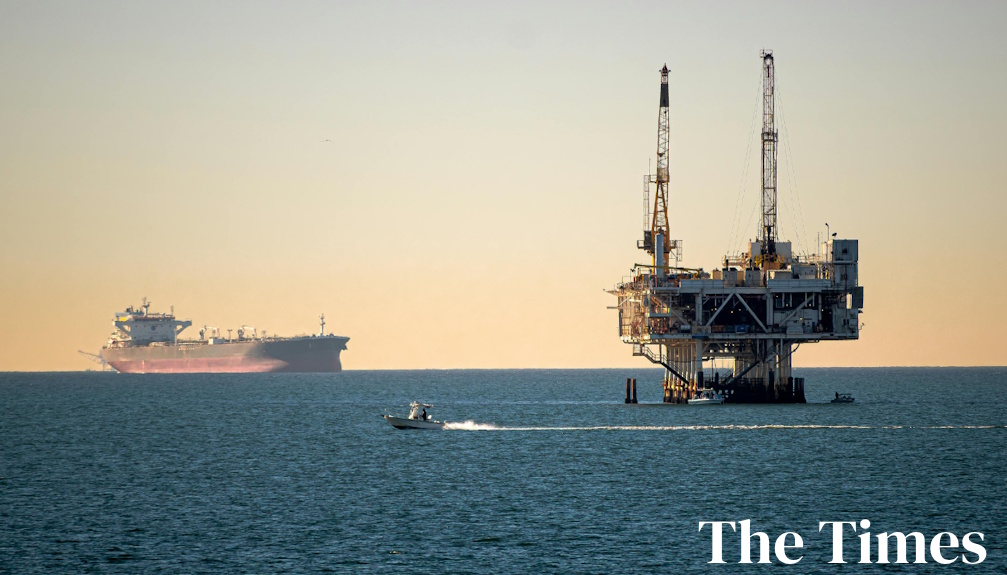
Oil cargoes are moving despite the conflict. But availability, affordability and security are different things—and cheaper fuel does not necessarily require Iran’s defeat.
For Australians watching the price board at their local service station, the conflict around the Strait of Hormuz presents a frustrating contradiction.
Fuel remains available in many places. Cars are being filled, trucks are making deliveries and businesses are operating. Yet the cost of keeping them moving remains painful.
If oil is getting through, why has the pressure not lifted? And are consumers effectively waiting for the United States to defeat Iran before fuel becomes affordable again?
The answer turns on a distinction that can disappear in the daily reporting of attacks and military claims: keeping some cargoes moving is a different achievement from restoring a dependable commercial supply chain.
Australians need the second outcome. The first helps prevent a worse crisis, but does not guarantee cheaper fuel.
Cargoes are moving—but normality remains elusive
There is tangible evidence of passage through Hormuz. Iraq reported on October 3 that it had transported two million barrels of crude through the strait aboard a large tanker. That is a significant shipment, although one successful voyage cannot establish the security of the whole route.
The Wall Street Journal has reported that US naval protection, strikes against Iranian surveillance infrastructure and transfers between tankers have helped recover oil exports. Its latest reporting also describes renewed attacks threatening that recovery.
The distinction is between a supply chain that can operate under pressure and one that can operate routinely. Escorting vessels and rearranging cargo movements may keep oil flowing, while leaving participants exposed to danger, delays and additional expense.
At an Australian service station, a functioning bowser tells the motorist that fuel is available there. It cannot tell them how securely the next shipment will arrive—or what it will cost.
Crude oil is only part of the story
Recovering crude exports have not brought an equivalent recovery in refined fuels such as diesel.
That matters because motorists do not buy crude oil. They buy products that have been refined, transported, stored and distributed.
The ACCC explains that Australian petrol and diesel prices are largely driven by international refined fuel benchmarks and the Australian dollar’s exchange rate against the US dollar. Petrol and diesel have separate benchmarks and different supply and demand pressures.
A headline announcing more oil exports therefore does not establish that enough diesel is reaching the market at a lower price. Nor does a fall in crude necessarily translate immediately into a comparable saving at the bowser.
There is another pressure beyond Hormuz. Reuters reported on October 1 that Chinese refiners had suspended fuel exports for October to support domestic inventories, with shipments to Hong Kong and Macau exempted. This adds pressure to already strained international fuel markets.
Even a significant improvement in Gulf shipping would therefore leave other supply problems to resolve.
The US–Iran scorecard: what counts as success?
Counting destroyed vessels or announced strikes provides an incomplete account of this contest.
For energy consumers, the relevant question is whether commercial shipping can resume safely and consistently.
The reported recovery in cargo movements indicates that US protection and shipping adaptations have produced practical results. The renewed threat to vessels indicates that those results remain vulnerable.
The analytical conclusion is that Iran does not need to stop every tanker to retain economic leverage. If the threat of attack makes voyages more difficult and expensive, disruption can persist alongside substantial trade.
Equally, the United States does not need to eliminate every Iranian military capability to improve supply. Effective protection and dependable routes could reduce disruption without resolving every aspect of the conflict.
Neither military damage nor continued resistance, by itself, settles the question that matters to Australian households: can the fuel supply chain return to reliable operation at a sustainable cost?
Must Iran be defeated before prices fall?
No. There is no economic rule requiring Iran’s defeat before fuel can become cheaper.
On October 4, Reuters reported that Iran was linking the restoration of normal maritime passage to conditions in an earlier agreement. Proposals and responses were being exchanged through mediators. That leaves a diplomatic route open, although negotiations do not guarantee a settlement.
A credible agreement could reduce shipping risk. Sustained protection, alternative routes and recovering refinery supplies could also improve conditions.
These are possible pathways, not forecasts. Each would have to produce an observable improvement in actual supply and cost.
Conversely, further military success would not automatically deliver immediate relief. If escalation creates additional threats to vessels or energy infrastructure, market conditions could worsen before they improve.
For consumers, the distinction is straightforward: political leaders can announce a victory before suppliers are confident enough to operate normally.
Cheaper fuel depends on that confidence becoming justified by events.
Diesel carries the pressure through the economy
The household fuel bill is only the most visible part of the problem.
Diesel powers freight transport, agricultural machinery, construction equipment and some remote electricity generation. A higher diesel bill can become a higher cost of delivering groceries, producing food or completing building work.
Businesses then face choices: absorb the increase, reduce their margin, seek savings elsewhere or pass some of it to customers.
There is no universal formula. Competitive conditions and contracts influence how much can be recovered, and when. But persistent fuel costs can spread well beyond those who personally drive diesel vehicles.
That is why a supply system can appear to be functioning while still causing considerable economic harm. Goods continue to arrive, but the expense of moving them leaves businesses and households with less money for other purposes.
What would meaningful relief look like?
The useful signs would be sustained improvement rather than a single reassuring headline: fewer attacks, dependable vessel movements, stronger availability of refined fuels and lower wholesale benchmarks.
Australia’s exchange rate would also matter. A weaker Australian dollar makes a US-dollar-priced fuel purchase more expensive here, potentially offsetting some international relief.
Retail prices would still vary with local competition, costs and petrol price cycles. A lower international benchmark is an important development, but it does not mean every service station will adjust by the same amount on the same day.
The practical test is whether improvements endure long enough to work through the supply chain.
The Times View
The Hormuz update is neither a story of complete supply failure nor a return to comfortable normality.
Cargoes are moving. That is valuable. But moving fuel through a contested region is not the same as restoring secure and affordable supply.
Australians are not necessarily waiting for Iran to be defeated. They are waiting for disruption to stop imposing an additional cost on ordinary life.
A diplomatic settlement could help deliver that. Reliable protection and improved supply could help too. Continued escalation could postpone it.
The outcome should be judged by what households and businesses experience, as well as by what governments claim.
For Australians, the meaningful victory is a supply chain that no longer charges them for the continuing possibility of war.