


Why the case for higher speed limits is fatally flawed
- Written by: Timothy Welch, Senior Lecturer in Urban Planning, University of Auckland, Waipapa Taumata Rau
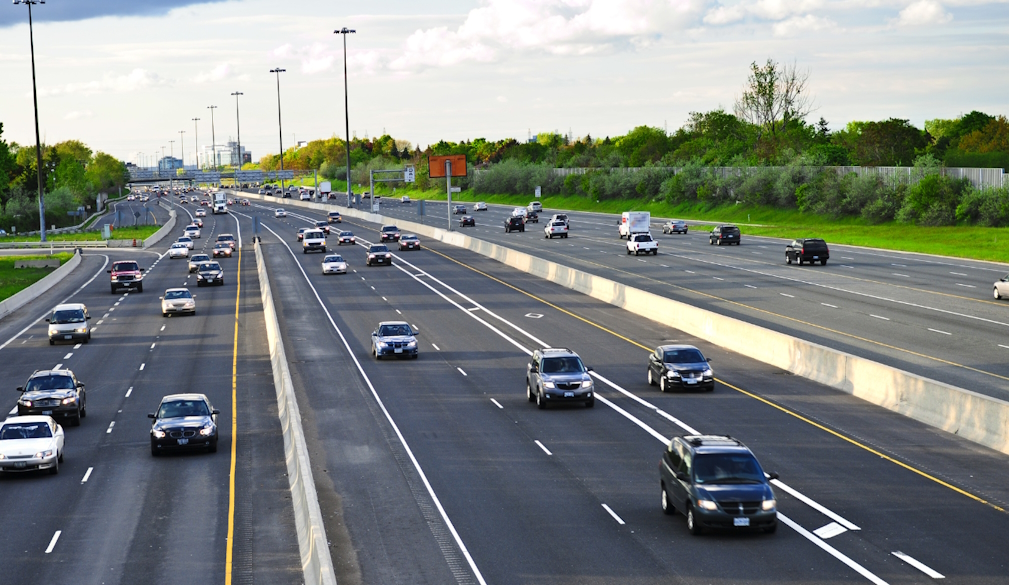
As the government’s plan to increase speed limits begins to roll out[1], a group of local and international road safety and health experts has warned[2] the move will lead to more death and injury, and disputed claims higher speed limits will bring economic gains.
The group’s open letter echoes concerns raised since the policy was announced[3] – that roads will become less predictable to use, less efficient and significantly more dangerous, particularly for children and other vulnerable people.
Evidence suggests the changes are also unlikely to improve commutes or boost economic growth and productivity, as Transport Minister Simeon Brown has argued[4].
Nor will raising some open road limits from 100 kilometres per hour to 110km per hour, and increasing urban speed limits, magically clear congestion. It will simply change the number on the sign while cars continue to inch forward in traffic.
On less congested roads, higher speed limits can make commutes less predictable by increasing the likelihood of sudden braking, risky lane changes and other hazardous manoeuvres, while also reducing reaction times.
As speeds increase, the probability of crashes also rises sharply. Research shows even a 5km per hour increase in speed[5] can double the risk of a fatal crash in urban areas. Traffic crashes carry an enormous financial burden[6], with a social cost of nearly NZ$12 billion in 2022 alone, and almost $225 billion since 2001.
Studies of New Zealand[7] roads have shown increasing speeds leads to disproportionate increases in fuel consumption. For example, on long routes, reducing maximum speeds from 100km per hour to 80km per hour reduced fuel consumption by about 15% – much higher savings than the corresponding reduction in travel time.
Higher speeds often result in increased costs rather than improved efficiency. Overall, as the expert group has argued, the rationale for increasing speed limits goes against the evidence.
Children at risk
Proponents argue even marginal time savings for some drivers justify the changes. But at what cost? Those small time gains for a few come at the expense of safety for many, particularly children.
Take Auckland’s Tyndale Park Christian School and Te Uho o te Nikau Primary School, for example. Both are near a single intersection[8] in Flat Bush and are a microcosm of the wider negative impacts of higher speed limits.
The limit on Murphy’s Road in front of Tyndale Park will jump from 60 to 80km per hour, while Flat Bush Road outside Te Uho o te Nikau will see limits rise from 30 to 50km per hour.
Since 2020, Murphy’s Road and Flat Bush Road have had more lanes added, making both roads twice as wide. Faster speeds will make it more difficult and potentially dangerous for children to cross.
Car crashes are the leading cause of accidental death of New Zealand children, and the country already ranks among the worst in the developed world for fatal crashes involving children.
Children aged four and under are most at risk[9] of being struck by a vehicle. While many child passengers killed in crashes weren’t properly restrained, higher speeds only add more risk.
The government argues variable speed limits around schools during pick-up and drop-off times will mitigate those risks. But this fails to address the fundamental issue: roads must be safe for all users at all times.
A child doesn’t stop being vulnerable outside school hours, and the danger posed by higher speeds is constant. These streets are where children play, visit friends and head to sports.
Cities elsewhere are slowing down
Overseas experience and evidence shows how safer speeds can save both lives and money.
In 2019, Oslo in Norway achieved zero pedestrian or cyclist deaths[10] thanks to its Vision Zero policy, which prioritises safety over speed. Helsinki in Finland saw similar success, with only three traffic deaths that year.
Closer to home, Hobart recently lowered speed limits[11] in its central areas to 40km per hour, aligning with global trends to improve road safety. Specific results are still pending, but evidence from Edinburgh in Scotland [12] shows lowering speed limits to 20 miles per hour (32km per hour) across most of the city in 2018, particularly near schools, has far exceeded expectations.
Three years later, traffic casualties had fallen by 20%[13] and collisions were reduced by 22%. These statistics represent lives saved and injuries prevented, outstripping what experts predicted from speed changes alone.
A Vision Zero[14] strategy in the US city of Portland – very similar to Auckland in size and urban planning challenges – targets the elimination of traffic deaths and severe injuries, and is already showing promise.
Recent research by the World Bank has also debunked the idea[15] higher speeds drive economic growth. On the contrary, it shows slower speeds reduce the massive costs of road crashes – not just obvious ones like ambulance rides and hospital bills, but hidden ones such as rising insurance premiums and productivity losses.
Ultimately, when we slow down, our streets become more than just roads. They transform into places people want to walk, bike and spend time, all of which boosts the local economy. Cities around the world are figuring this out – New Zealand should also prioritise safety and livability over the false promises of speed.
References
- ^ begins to roll out (www.beehive.govt.nz)
- ^ road safety and health experts has warned (www.1news.co.nz)
- ^ policy was announced (www.beehive.govt.nz)
- ^ Simeon Brown has argued (www.beehive.govt.nz)
- ^ 5km per hour increase in speed (www.infrastructure.gov.au)
- ^ enormous financial burden (www.transport.govt.nz)
- ^ Studies of New Zealand (www.nzta.govt.nz)
- ^ near a single intersection (infocouncil.aucklandcouncil.govt.nz)
- ^ most at risk (media.starship.org.nz)
- ^ zero pedestrian or cyclist deaths (www.theguardian.com)
- ^ lowered speed limits (tasmaniantimes.com)
- ^ evidence from Edinburgh in Scotland (www.edinburgh.gov.uk)
- ^ traffic casualties had fallen by 20% (jech.bmj.com)
- ^ Vision Zero (www.portland.gov)
- ^ debunked the idea (www.globalroadsafetyfacility.org)









