5 picky eating habits – and how to help your child overcome them
- Written by: Nick Fuller, Charles Perkins Centre Research Program Leader, University of Sydney
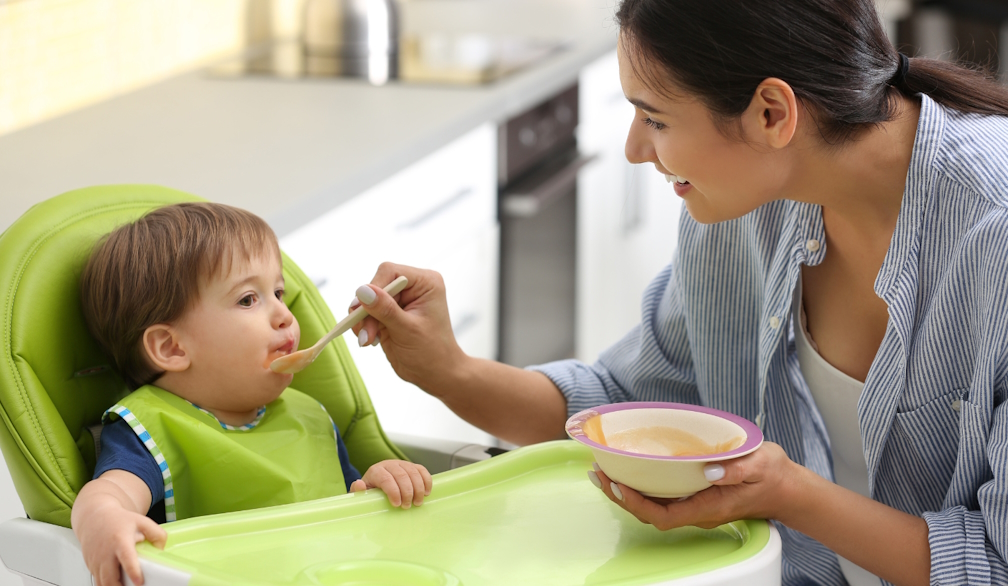
Have you ever found yourself negotiating with a pint-sized dictator about eating a single pea? You’re not alone. Almost half of kids[1] go through a stage of picky eating, and this typically peaks around the age of three.
Our hunter-gatherer ancestors developed a natural aversion to unfamiliar foods and bitter flavours[2] to avoid ingesting toxins. They also learnt to seek and store specific types of high-energy, palatable foods[3] to avoid starvation during periods of food scarcity.
But the food we eat from an early age shapes our lifelong food preferences[4] and diet. So what can you do if your child is unwilling to eat familiar or new foods, or wants to restrict their diet?
Here are the five most common types of picky eating – and how to overcome them.
1. Only eating beige or white foods
When it comes to fussy eating, beige and white foods typically reign supreme. This is because these foods are:
-
familiar – they’re the colour of breastmilk and the foods typically used when we introduce solids, such as infant cereal
-
bland or mild-flavoured[5] – they don’t overwhelm toddlers who have 30,000-plus tastebuds[6] (versus the 10,000-plus adults have)
-
easy – they’re often soft and easy to chew, making them appealing to toddlers developing chewing skills
-
non-threatening[7] – they’re the opposite of what our hunter-gatherer ancestors have programmed us to avoid: brightly coloured – and toxic – foods found in the wild.
While it can be tempting to give in and serve chicken nuggets at every meal, a diet consisting of only beige and white foods is likely to be highly processed and low in dietary fibre. This can result in constipation[8] and the depletion of healthy gut bacteria[9].
A beige/white diet can also lack the vitamins and minerals needed for healthy development and growth, including vitamins B and C, and iron[10].
To add healthier food options, and more colour, to your toddler’s diet:
-
mix things up. Combine less healthy beige and white foods with healthier ones, like blending cannellini beans and cauliflower into mashed potatoes
-
make healthy swaps. Gradually replace the favoured white bread, pasta and rice with wholegrain versions; for example, mix brown rice into a serving of white
-
use familiarity to your advantage. Introduce colourful food options alongside the familiar beige and white ones, such as offering fruit to dip in yoghurt, or a healthy red or green sauce with pasta.
2. Refusing anything but milk
It’s no surprise toddlers love milk. It has been the constant in their life since birth. And it’s associated with more than just satisfying hunger – it’s there when they’re tired and going to sleep, when they’re upset and need comfort, and when they’re enjoying closeness with mum or dad.
It also contains lactose, a sugar found naturally in milk, so it tastes sweet and appeals to our hunter-gatherer instinct to seek foods high in natural sugar to avoid starvation.
While dairy provides essential calcium for toddlers, it needs to be part of a balanced diet. The Australian Dietary Guidelines[12] suggest toddlers have 1–1½ servings of milk (1 cup = 1 serve), yoghurt (200g = 1 serve) and cheese (2 slices = 1 serve) (or alternatives) daily.
If your toddler is consuming too much milk, they’re at risk of iron deficiency[13], as milk is a poor source of iron and interferes with our body’s ability to absorb it.
To move your toddler away from milk, try:
-
fact-finding. When your toddler asks for milk, ask questions to understand what they really want. Are they hungry, thirsty or wanting comfort? Offer that instead
-
filling up on solids first. Tempt your toddler with healthy and interesting-looking foods, and only offer milk after they’ve eaten something solid
-
smaller serves. Switch to serving milk in a smaller-sized cup.
3. Avoiding textured foods
Refusing to eat lumpy, chewy or strangely textured foods is common as toddlers’ sensory and oral motor skills develop.
It’s also common for parents to continue pureeing these foods as a result of the upsetting gagging that often accompanies trying different textured food.
To support your toddler’s transition to textured foods and ensure they’re developing the muscles needed to eat safely:
-
turn the texture up slowly. Start with food your toddler enjoys, such as pureed carrot, and gradually blend it for less time to retain some lumps
-
stay calm if your toddler gags. Let them know it’s OK, and give them time to work it through on their own[14]. After they have coughed it out, encourage them to try another spoonful, or try again next time.
4. Refusing vegetables
The texture, brightness and bitter taste of some veggies can be off-putting[15] for some children.
But vegetables are a good source of the vitamins, minerals and fibre toddlers need.
To overcome your toddler’s aversion to veggies, get creative. The appearance of food[17] affects our perception of its taste, so boost veggies’ appeal by arranging them into fun plate art.
Extend this creativity to introduce vegetables in new ways, for example, grating carrots or kale into muffins and using a spiraliser to make zucchini noodles.
Focus on offering sweeter tasting vegetables, such as peas, carrot and sweet potato, and roasting them to bring out their natural sweetness. Children are more likely to go for sweeter-tasting veggies than bitter ones like broccoli.
5. Refusing to eat meat
Meat contains protein and iron, but many toddlers refuse to eat it because of its tough, chewy texture and strong taste.
If you want your toddler to get their daily serving of protein[18] (for example, 80g cooked chicken or 65g cooked beef from lean meat) but you’re finding it challenging:
-
start small. Offer leaner, lighter-tasting meats in small portions that are easy to chew, such as minced chicken or slow-cooked meat
-
involve your toddler in meal preparation. Ask them to choose the meat for dinner and get their help to prepare it.
There are also alternatives you can offer as you work on overcoming their meat aversion. Eggs, tofu, beans, lentils and fish are also high in protein.
Issues with chewing and swallowing[19] and food aversion can be symptoms of underlying medical conditions, so consult your GP or child and family health nurse if your child’s fussy eating behaviour persists beyond the toddler and pre-school years.
References
- ^ half of kids (onlinelibrary.wiley.com)
- ^ a natural aversion to unfamiliar foods and bitter flavours (www.annualreviews.org)
- ^ high-energy, palatable foods (link.springer.com)
- ^ shapes our lifelong food preferences (www.ncbi.nlm.nih.gov)
- ^ bland or mild-flavoured (www.sciencedirect.com)
- ^ 30,000-plus tastebuds (www.theguardian.com)
- ^ non-threatening (www.ncbi.nlm.nih.gov)
- ^ This can result in constipation (onlinelibrary.wiley.com)
- ^ depletion of healthy gut bacteria (www.sciencedirect.com)
- ^ including vitamins B and C, and iron (www.pediatric.theclinics.com)
- ^ Ekaterina Bolovtsova/Pexels (www.pexels.com)
- ^ Australian Dietary Guidelines (www.eatforhealth.gov.au)
- ^ iron deficiency (academic.oup.com)
- ^ and give them time to work it through on their own (doh.health.tas.gov.au)
- ^ off-putting (www.annualreviews.org)
- ^ Cottonbro/Pexels (www.pexels.com)
- ^ The appearance of food (www.ncbi.nlm.nih.gov)
- ^ daily serving of protein (www.eatforhealth.gov.au)
- ^ Issues with chewing and swallowing (publications.aap.org)
Read more https://theconversation.com/5-picky-eating-habits-and-how-to-help-your-child-overcome-them-230970