Study shows video games can improve mental wellbeing – but you can have too much of a good thing
- Written by: Katarina Fritzon, Associate Professor of Psychology, Bond University
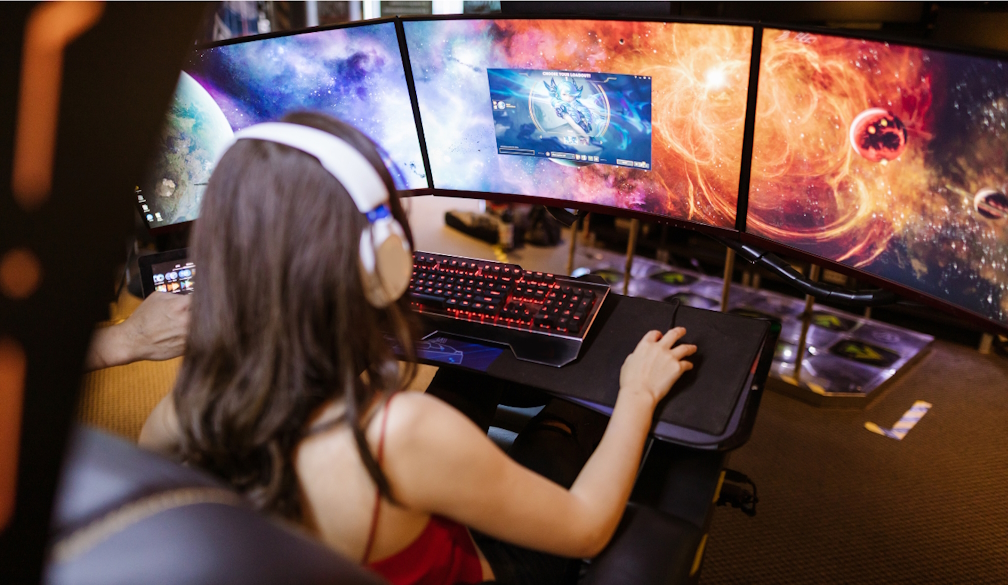
A study of almost 100,000 people in Japan aged 10 to 69 found playing video games – or even owning a console – can be good for mental health. But playing too much each day can harm wellbeing.
Video games and other forms of online media consumption are an everyday part of life[1].
Surveys have shown playing video games can have positive effects on stress levels and creativity[2]. But concern remains about the potential negative effects[3] on, for example, general wellbeing, aggressive behaviour and social development, especially for young people.
The World Health Organization lists[4] gaming disorder as a mental health condition, and a severe social withdrawal condition called hikikomori[5] has been described in Japan.
The new survey showed links between gaming and wellbeing and researchers found a way to show cause and effect – that even owning a gaming console improved wellbeing.
What the study found
The research was conducted between 2020 and 2022 – during the COVID pandemic. The researchers used measures of psychological distress and life satisfaction and asked 97,602 people in Japan about their gaming use.
The survey coincided with supply chain shortages. These led retailers to use a lottery system for the purchase of two consoles: Nintendo Switch and PlayStation 5. Of the overall survey group, 8,192 participated in the lottery.
Researchers compared the 2,323 lottery winners against those who did not win the opportunity to purchase one of the new consoles (over five rounds of surveys). They found those who won the lottery had improved distress scores and better life satisfaction.
The results were not all positive. Over time, the scores indicated drops in wellbeing for those who played more than three hours a day. Scores continued to drop for each additional time increment measured.
The study had some limitations.
Firstly, the survey was conducted when the COVID pandemic presented a particularly challenging time[6] for mental health. It also brought changes[7] in social, occupational and lifestyle behaviours.
The study focused mainly on general gaming habits without distinguishing between different types of games, which could have varying impacts on mental health.
Further, participants chose whether to enter the lottery, so it was not a random sample. And the study could not specifically attribute findings to the effects of playing video games versus the effects of winning the lottery.
Finally, we know self-reported studies are not always reliable[8].
Gaming pros and cons
We know from other surveys[9] video games can be useful stress relievers and aid social connection (albeit online). We also know some games can improve particular cognitive skills such as visuo-spatial navigation and problem solving[10].
Games and technologies can also specifically target mental health issues[11], such as social anxiety or phobias, address ADHD[12] symptoms and enhance motivation and performance.
Yet, concerns remain about possible long-term consequences, particularly in terms of reductions in “real-life” socialisation[13], participation in physical activity, school performance and other health consequences[14], including sleep and eating behaviours.

3 tips for positive gaming
While video games can offer some benefits, it’s important to maintain a balanced approach to gaming. Here are a few tips to help manage gaming habits and promote overall wellbeing:
1. Set time limits
Encourage moderate gaming by setting clear time limits to ensure it doesn’t interfere with sleep, physical activity or other important daily activities. The Australian institute of Family Studies recommends[16] creating a media plan that includes limits on screen time and balances gaming with other activities.
2. Choose games wisely
Opt for games that are age-appropriate and consider their content. Some games can promote problem-solving skills and creativity[17], but it’s important to be mindful of those that might encourage aggression or excessive competition.
3. Monitor eating and sleeping habits
Pay attention to eating patterns and ensure meals are not skipped in favour of gaming. Encourage regular sleep patterns and avoid gaming close to bedtime to prevent disruptions in sleep[18].
While the new study provides promising insights into the potential positive effects of video games on mental wellbeing, these findings should be approached with caution due to the limits of the survey.
While the potential benefits are encouraging, it is essential to adopt a balanced approach to gaming and pursue further research to fully understand its long-term impact on mental health.
References
- ^ part of life (www.esafety.gov.au)
- ^ stress levels and creativity (unric.org)
- ^ potential negative effects (www.tandfonline.com)
- ^ lists (www.who.int)
- ^ hikikomori (www.frontiersin.org)
- ^ particularly challenging time (www.frontiersin.org)
- ^ brought changes (www.tandfonline.com)
- ^ not always reliable (www.ncbi.nlm.nih.gov)
- ^ other surveys (unric.org)
- ^ problem solving (greenlab.psych.wisc.edu)
- ^ target mental health issues (www.ncbi.nlm.nih.gov)
- ^ ADHD (health.clevelandclinic.org)
- ^ socialisation (link.springer.com)
- ^ health consequences (psycnet.apa.org)
- ^ Ralston Smith/Unsplash (unsplash.com)
- ^ recommends (aifs.gov.au)
- ^ problem-solving skills and creativity (psycnet.apa.org)
- ^ prevent disruptions in sleep (bmcpublichealth.biomedcentral.com)