Climate Change Happens – But Are Humans Entirely to Blame?
- Written by: Times Media
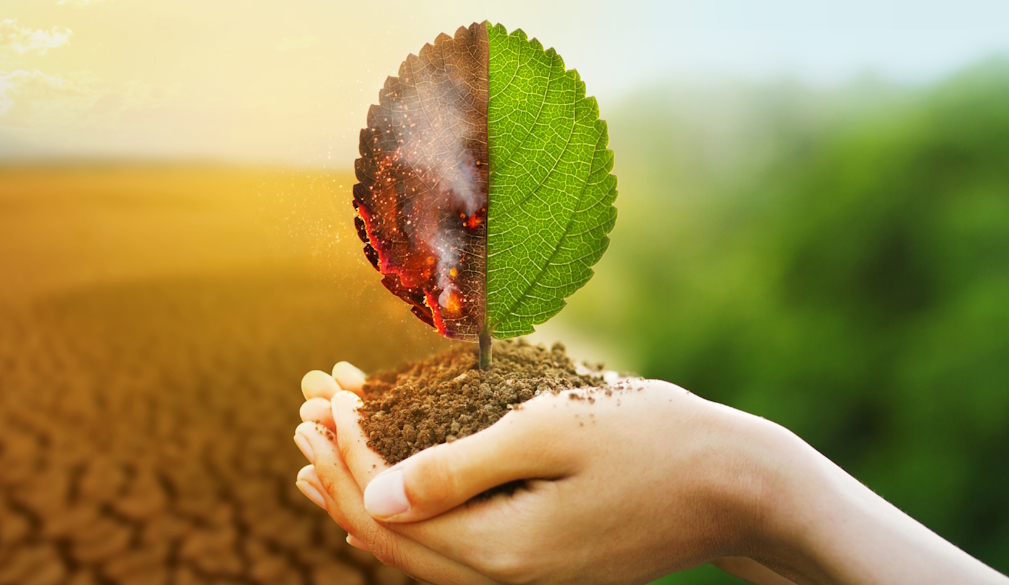
Climate change is one of the defining issues of our time. Rising global temperatures, shifting weather patterns, melting glaciers, and more frequent extreme weather events dominate headlines, political debates, and global summits. The question of responsibility, however, often sparks fierce discussion. Many ask: is climate change entirely caused by humans, or is it part of Earth’s natural cycles?
This article explores the evidence from both sides, tracing the history of climate shifts, the role of human activity, and the extent to which natural forces also play a part.
The Historical Record of Climate Change
Climate has never been static. Geological and ice-core records reveal that Earth has gone through multiple warming and cooling cycles long before industrial society existed. Some key examples include:
-
Ice Ages and Warm Periods: Over the past 2.5 million years, Earth has shifted between ice ages and warmer interglacial periods, driven by orbital changes (Milankovitch cycles) and variations in solar activity.
-
Medieval Warm Period (c. 950–1250 AD): Europe and parts of the Northern Hemisphere experienced warmer-than-usual conditions, enabling agricultural expansion.
-
Little Ice Age (c. 1300–1850 AD): Temperatures dipped globally, leading to harsh winters, crop failures, and even frozen rivers in regions where that was once unthinkable.
These examples demonstrate that climate is influenced by natural variability—solar radiation, volcanic eruptions, ocean currents, and orbital cycles—all of which shape Earth’s temperature trends over millennia.
The Human Factor: Industrialization and Carbon Emissions
While natural cycles explain past climate variation, scientists widely agree that the current rapid warming trend since the late 19th century is strongly linked to human activity.
The Evidence:
-
Carbon Dioxide Levels
-
Pre-industrial CO₂ levels (around 280 ppm) rose sharply after the Industrial Revolution. Today, concentrations exceed 420 ppm—the highest in at least 800,000 years, based on ice core data.
-
This rise directly correlates with fossil fuel combustion, cement production, and deforestation.
-
-
The Greenhouse Effect
-
Greenhouse gases trap heat in the atmosphere. While natural greenhouse gases like water vapor and CO₂ have always existed, human activity has added vast amounts of carbon dioxide, methane, and nitrous oxide, intensifying the effect.
-
-
Rate of Change
-
Natural climate shifts occur over thousands of years. The current warming—about 1.2°C above pre-industrial levels—has occurred in just 150 years, an unusually rapid pace.
-
-
Scientific Consensus
-
Reports from the Intergovernmental Panel on Climate Change (IPCC) state with over 95% confidence that human activity is the dominant cause of global warming since 1950.
-
The Role of Natural Factors Today
Although human influence is dominant, natural factors continue to play a role in shaping short-term climate patterns.
-
Solar Activity: Variations in the sun’s output, such as the 11-year sunspot cycle, affect climate but cannot explain the scale of modern warming.
-
Volcanoes: Eruptions inject particles into the atmosphere that can cool Earth temporarily by blocking sunlight. However, their long-term impact is limited compared to sustained greenhouse gas emissions.
-
Ocean Currents: Systems like El Niño and La Niña significantly influence yearly weather variations, but they oscillate rather than create permanent warming trends.
Thus, while natural forces remain influential, they cannot fully account for the persistent and accelerating rise in global average temperatures.
Are Humans Entirely to Blame?
The balanced answer is: climate change is both natural and human-driven, but the current crisis is overwhelmingly human-induced.
-
Natural climate variability provides the background rhythm of Earth’s climate. Without it, we wouldn’t have ice ages, warm periods, or regional shifts in weather patterns.
-
Human activity, however, has dramatically amplified the pace and scale of warming. By burning fossil fuels, clearing forests, and industrializing agriculture, we’ve disrupted the natural balance, creating a greenhouse effect far beyond historical precedent.
In other words, Earth’s climate would continue to change without us, but not at the rate and intensity we are witnessing today.
Why the Distinction Matters
Understanding the balance between natural and human drivers is not just academic—it has profound implications for policy and society.
-
Accountability: If humans are primarily responsible, then governments, industries, and individuals have the power—and responsibility—to mitigate further damage.
-
Adaptation and Preparedness: Recognizing that some variability is natural means societies must prepare for inevitable climate fluctuations, regardless of human influence.
-
Global Cooperation: Climate change is not a problem confined to one nation. Human-driven emissions cross borders, requiring international agreements like the Paris Accord.
Conclusion
Climate change has always been part of Earth’s story. Ice ages, warm periods, and natural cycles have shaped human history and ecosystems for millions of years. But the modern climate crisis is unique—it is faster, more intense, and largely caused by human activity.
The question, then, is not whether humans are entirely to blame, but how much of today’s crisis lies at our feet. The overwhelming scientific evidence suggests that while nature sets the stage, humanity has accelerated the drama.
Our choices—whether to reduce emissions, adopt renewable energy, protect ecosystems, and adapt responsibly—will determine whether this chapter in Earth’s climate history is one of resilience or catastrophe.