“What the hell?” When your bike is stolen, the cameras caught it — and privacy law protects the thief
- Written by: The Times
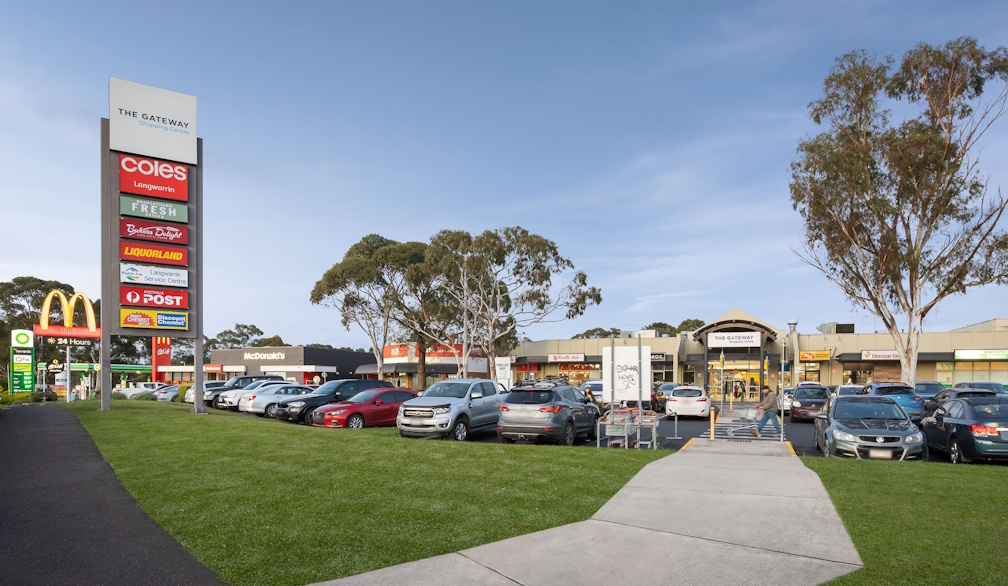
A mate parks his motorcycle at a major Australian shopping centre. He locks it properly, does everything right, and goes inside. When he comes back, the bike is gone. Stolen. Vanished.
Security is called. Police are notified. Then comes the kicker: the shopping centre has surveillance cameras, the footage clearly shows the thief, but they refuse to give the video to the owner of the stolen bike.
Why?
Because the Privacy Act protects the thief.
For most Australians, this is the moment when trust in “common sense” law snaps.
How did we get to a place where the victim is told “we know who did it, we can see it clearly — but we can’t show you”?
The moment the system feels upside down
To the ordinary person, the logic seems absurd:
-
You didn’t steal anything
-
You were lawfully on the premises
-
You are the victim of a crime
-
The evidence exists
-
And yet you are the only one barred from seeing it
Meanwhile, the person committing the crime — on private property, in a public commercial space, surrounded by warning signs saying “CCTV in operation” — is shielded.
This is the kind of experience that leaves people muttering:
“The law protects criminals, not decent people.”
That frustration is real. But the story is more complicated — and more troubling — than it first appears.
Why shopping centres refuse to release CCTV footage
It’s not because they like thieves
It’s because they’re terrified of liability.
Shopping centres operate under a web of obligations involving:
-
the Privacy Act 1988 (Cth)
-
state surveillance and workplace laws
-
civil liability risk
-
insurance conditions
Under Australian privacy law, CCTV footage is considered “personal information” if a person can be identified. That includes thieves.
If a shopping centre discloses footage improperly, they risk:
-
privacy complaints
-
regulatory investigations
-
civil claims
-
reputational damage
From their perspective, the safest move is simple: only release footage to police, and to nobody else.
Even the victim.
“But it’s MY stolen property”
That’s the part that enrages people — and understandably so.
From a common-sense standpoint:
-
The footage exists because you were there
-
The crime happened to you
-
The video proves your loss
Yet legally, the footage belongs to the shopping centre, not to you, and the people in it — even criminals — have privacy rights.
Australian privacy law does not balance “victim fairness” very well. It focuses on risk minimisation for data holders, not justice outcomes for individuals.
Police can get the footage — but that doesn’t help much
Shopping centres will usually say:
“We can provide the footage to police upon request.”
Sounds reasonable, until you hit reality.
Police are overwhelmed. Property crime — especially motorcycle theft — is often treated as low priority unless violence is involved. Even when police do request the footage:
-
it may take days or weeks
-
the victim rarely gets updates
-
prosecutions are uncommon
-
recovery rates are low
So the owner is left stuck in limbo:
-
insurers want evidence
-
the victim wants closure
-
the centre says “privacy”
-
police say “we’ll see”
And the thief? Long gone.
The signage defence: “You were warned”
Shopping centres are covered in signs:
“CCTV in operation for safety and security purposes.”
These signs are meant to justify the collection of footage — not its release.
The irony is sharp:
-
CCTV is sold to the public as crime prevention
-
but once crime occurs, the footage becomes locked away
In effect, CCTV protects the centre — not the customer.
Insurance companies feel the pain too
Victims are often told:
“Claim it on insurance.”
But insurers increasingly ask:
-
Was there CCTV?
-
Is there footage?
-
Can you provide proof?
When the answer is:
“Yes, but they won’t give it to me,”
The system starts eating itself.
The evidence exists. Everyone knows it exists. But nobody who actually needs it can access it.
How Australia ended up here
This situation is the unintended consequence of privacy law expansion without proportional victim protections.
Privacy law was designed to stop:
-
data abuse
-
stalking
-
doxxing
-
commercial exploitation
It was not designed to protect criminals from identification by their victims — yet that is exactly what it does in practice.
Over time:
-
organisations became risk-averse
-
lawyers advised “never release footage”
-
insurers reinforced that advice
-
regulators rarely punished refusal
The safest legal strategy became: say no, always.
Compare it to other absurdities Australians accept
-
You can be assaulted, but can’t get footage
-
Your car can be vandalised, but you can’t see who did it
-
Your bike can be stolen, but privacy protects the thief
-
Your face can be filmed, but justice can’t be shared
This isn’t “rule of law”. It’s rule of risk management.
What victims can actually do (even though it feels hopeless)
-
Insist police formally request the footage
Once police request it, centres almost always comply. -
Make the request in writing
Ask the centre to preserve the footage immediately — CCTV is often deleted within 14–30 days. -
Use Freedom of Information arguments carefully
FOI rarely works with private operators, but formal legal requests sometimes move the needle. -
Pressure insurers to pursue it
Large insurers can sometimes obtain footage where individuals cannot. -
Public pressure (carefully)
Shopping centres hate reputational damage — but be factual and careful to avoid defamation.
The bigger question: who is the law really protecting?
When people experience this for the first time, it shakes faith in the system. Not because they don’t respect privacy — but because the balance feels wrong.
Privacy should protect citizens from abuse.
It should not:
-
override common sense
-
obstruct victims
-
shield criminals from accountability
-
turn evidence into a forbidden object
Yet here we are.
A system crying out for reform
At minimum, Australian law should clearly allow:
-
victims of crime to access CCTV footage that directly relates to offences committed against them, subject to reasonable safeguards
-
time-limited, purpose-specific disclosure
-
redaction of third parties if necessary
Other countries manage this balance. Australia has simply chosen not to.
Final thought: CCTV without accountability is theatre
Shopping centres promote CCTV as a safety feature. But when footage exists and justice is blocked, it becomes security theatre — comforting, visible, and largely useless to the people who actually need it.
Your mate’s stolen bike isn’t just a personal loss. It’s a case study in how bureaucracy, fear of liability, and poorly balanced privacy law can make honest Australians feel like the system has lost its moral compass.
And when the victim walks away thinking “what the hell just happened?” — that’s not a failure of law enforcement.
That’s a failure of law.