Private health insurance in Australia: worth the cost or an expensive necessity?
- Written by: The Times

Private health insurance remains one of the most debated household expenses in Australia. For some families it is a financial safety net that provides peace of mind, faster access to treatment and greater choice of doctors. For others it is an increasingly expensive bill that delivers benefits they may rarely use.
The debate has intensified following the Federal Government's decision in the 2026 Budget to remove the higher private health insurance rebate previously available to Australians aged 65 and over. The change is expected to increase premiums for many older Australians and has reignited questions about whether private cover still represents value for money.
The cost of staying covered
Private health insurance premiums have risen steadily for many years. The average premium increase approved for 2026 was 4.41 per cent, the largest annual increase in a decade. At a time when households are already managing higher mortgage repayments, rents, electricity bills and grocery costs, many Australians are reviewing whether health insurance remains affordable.
For older Australians the pressure may become even greater. The Government has decided that from April 2027, age will no longer determine the level of private health insurance rebate received. Supporters of the change argue it creates greater equity between generations, while critics warn it will leave many retirees paying hundreds of dollars more each year.
Why people keep paying
Despite the cost, millions of Australians continue to maintain private cover.
The key attractions include:
- Faster access to elective surgery.
- Choice of specialist and hospital.
- Reduced waiting times for many procedures.
- Access to private hospital rooms when available.
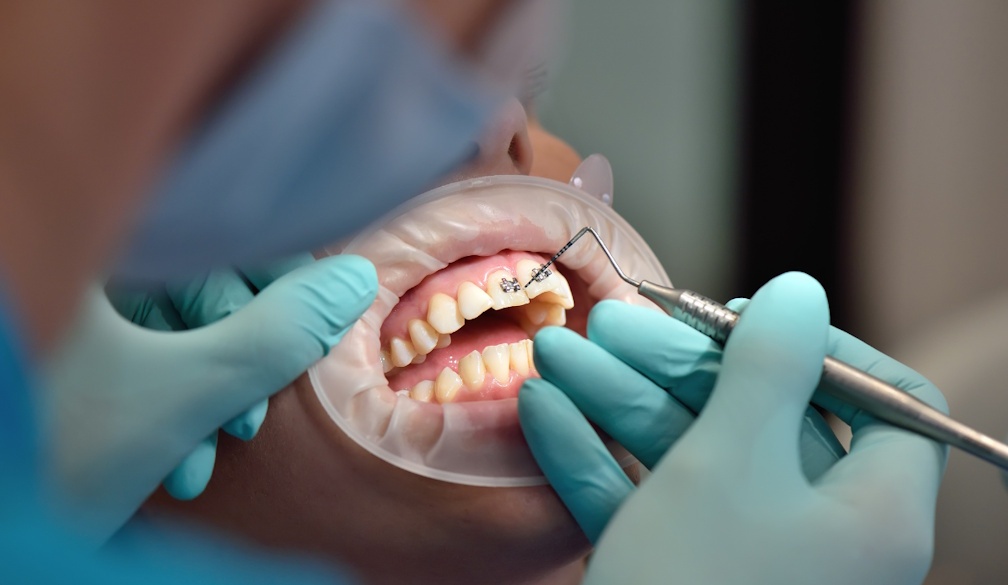
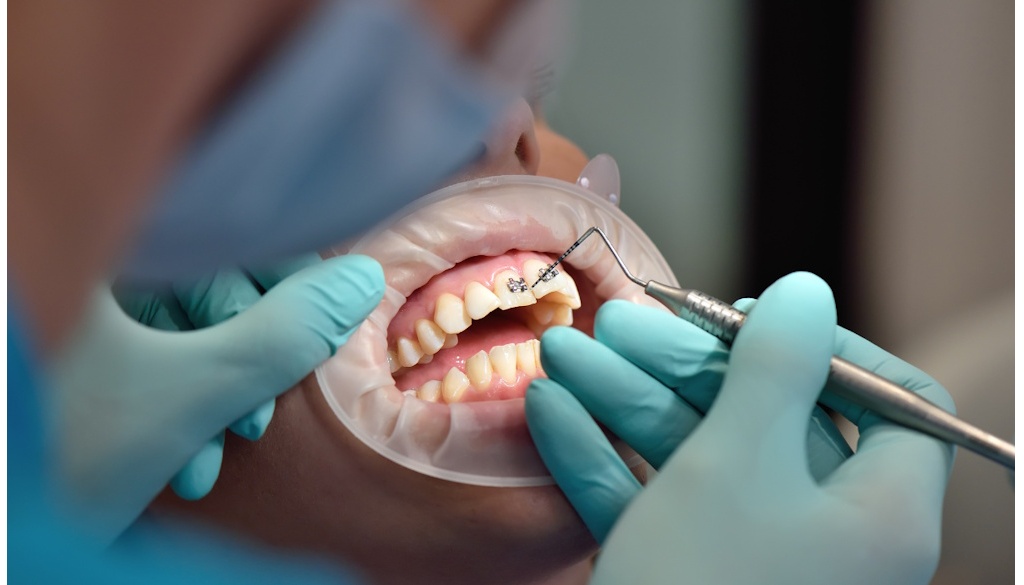
- Coverage for extras such as dental, physiotherapy, optical and hearing services.
For patients requiring hip replacements, knee surgery, cataract procedures or specialist treatment, the ability to avoid lengthy public waiting lists can be highly valuable.
Many Australians regard private health insurance not as an investment but as protection against uncertainty. Like home or car insurance, they hope not to use it often but appreciate having it when required.
The public system still works
Australia's public health system remains one of the nation's greatest achievements.
Through Medicare, Australians can access:
- Public hospital treatment.
- Emergency department services.
- Subsidised medical consultations.
- Pharmaceutical Benefits Scheme medicines.
For serious emergencies, Australians generally receive treatment regardless of whether they hold private insurance.
This reality causes some people to question the value of paying thousands of dollars annually for private cover when a public system already exists.
Health economists have long debated whether government subsidies for private insurance deliver sufficient public benefit, particularly when many privately insured Australians still rely on public hospitals for some treatment.
The employer factor
Private health insurance is also common in corporate Australia.
Many larger employers include health insurance benefits within executive remuneration packages or offer discounted group policies. These arrangements are often promoted as part of employee wellbeing programs designed to attract and retain skilled staff.
For employers, healthier employees can mean fewer absences and improved productivity. For workers, employer contributions can substantially reduce the personal cost of maintaining cover.
Small business owners and self-employed Australians rarely enjoy these benefits and must absorb the full cost themselves.
Will rebate changes affect the system?
The removal of enhanced rebates for older Australians has divided experts.
Industry groups warn that some retirees may downgrade or cancel cover, increasing pressure on public hospitals. Others argue the number of people likely to leave private insurance is relatively small and unlikely to significantly affect public hospital operations.
What is clear is that Australia's public and private health systems operate together rather than independently. Pressure on one inevitably affects the other.
Is it value for money?
The answer depends on the individual.
For a healthy young person who rarely visits a doctor, private health insurance can appear expensive and underutilised.
For a family with children, access to dental, physiotherapy and specialist services may justify the cost.
For older Australians facing increasing health risks, the ability to choose specialists and reduce waiting times can be difficult to put a price on.
The challenge is that premiums continue to rise while many households are under financial pressure.
The bottom line
Private health insurance in Australia is neither a luxury nor a necessity for everyone.
It is a personal financial decision that depends on age, health, income, family circumstances and risk tolerance.
Australia's public health system continues to provide high-quality care and remains the foundation of national healthcare. Yet private insurance still offers advantages that many Australians value, particularly when rapid access to treatment is important.
As premiums rise and government rebates change, more Australians are likely to ask a simple question: is the peace of mind worth the price?
For millions of households, the answer remains yes. For an increasing number of others, the calculation is becoming far more difficult.