The war thousands of kilometres away that every Australian is paying for
- Written by: The Times
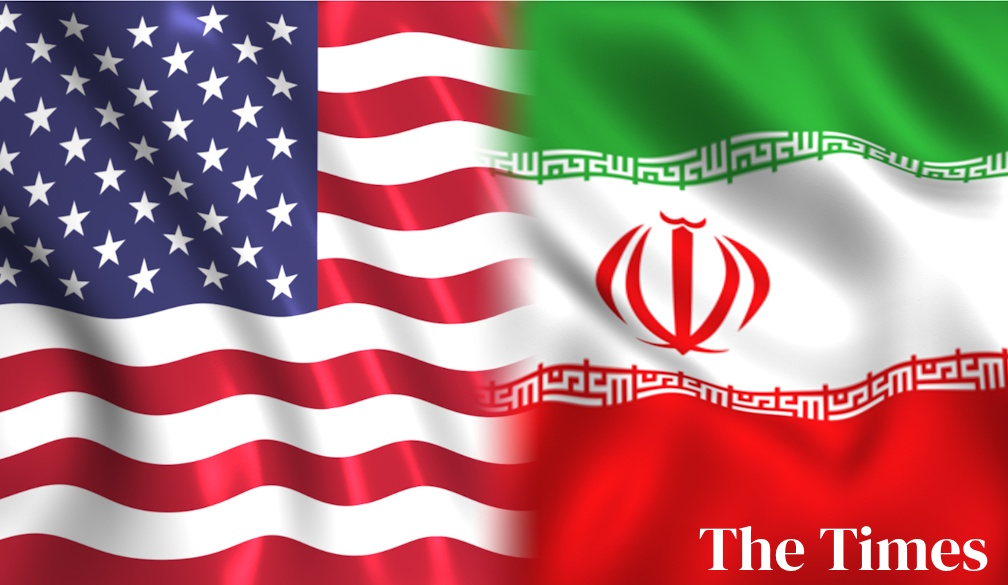
For many Australians, the Iran war feels distant.
The fighting is taking place thousands of kilometres away. The combatants are not Australia. Australian troops are not leading the battle. Most Australians could be forgiven for believing it is a conflict that belongs to somebody else.
Yet every Australian is paying for it.
The impact is not measured in missiles, military victories or diplomatic statements. It is measured every time a family fills a car, buys groceries, books a flight, pays a freight bill or receives a utility account.
The Iran war has become an economic event for Australia.
In some respects, it has delivered a shock similar to the one Australians experienced during the COVID era. The causes are different, but the outcome is familiar: higher costs, disrupted supply chains and pressure on household budgets.
The connection is simple.
A significant portion of the world's oil and energy supplies move through the Strait of Hormuz. Disruptions to shipping, oil production and regional infrastructure have pushed energy prices higher and created uncertainty throughout global markets. Economists, banks and international agencies have repeatedly warned that fuel-importing nations such as Australia are vulnerable to these disruptions.
The first impact Australians notice is at the petrol bowser.
Higher global oil prices flow directly into the cost of petrol and diesel. Analysts warned early in the conflict that Australian motorists could face substantially higher weekly fuel bills as global energy markets reacted to disruptions in the Middle East.
But fuel is only the beginning.
Transport companies pay more to move freight. Farmers pay more to operate machinery. Airlines face higher jet fuel costs. Shipping companies face higher operating expenses, insurance costs and fuel bills. Those costs eventually find their way into the prices consumers pay.
Food prices are also affected.
Modern agriculture depends heavily on fuel, fertiliser and transport. Fertiliser markets have been disrupted by the conflict, while Australian farmers have reported dramatic increases in input costs. The result is pressure on food production that eventually reaches supermarket shelves.
Businesses are feeling the strain as well.
Retailers pay more to import stock. Manufacturers pay more for energy. Service businesses face rising operating costs. Some absorb the increases. Others pass them on. Either way, Australians ultimately pay.
The troubling aspect of the Iran war is that the pain does not necessarily end when the shooting stops.
Energy markets take time to recover. Damaged infrastructure takes time to repair. Shipping networks take time to normalise. Analysts have warned that fuel and energy markets may take many months, and possibly longer, to return to pre-war conditions even if hostilities ease.
That means the economic consequences may outlast the military conflict itself.
Australians learned during COVID that global events can quickly become local problems. Empty shelves, supply shortages and rising prices demonstrated how interconnected the modern economy has become.
The Iran war is delivering a similar lesson.
A conflict on the far side of the world has become a hidden tax on Australian households. Every litre of fuel, every freight movement and every product that travels through a global supply chain carries part of the cost.
Whether the war was necessary or inevitable is a debate for historians and politicians.
For Australian families, the reality is much simpler.
The bill has already arrived.
And it is still growing.