Tasmania in 2026: Opportunity, Pressure and the Island State’s Defining Moment
- Written by: Tasmanian Times
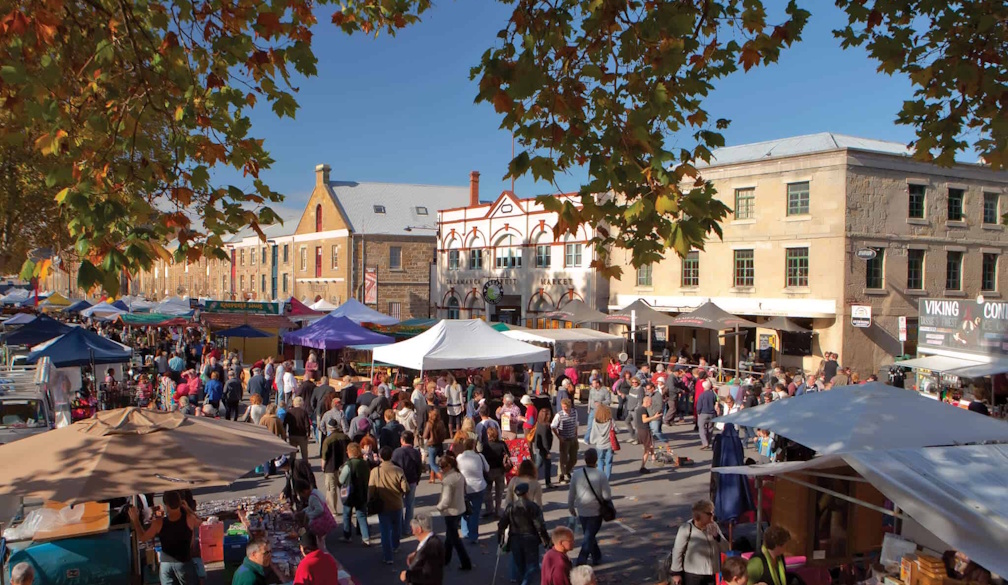
Tasmania has long held a unique place in the Australian story. It is a state known for natural beauty, strong communities and an economy driven by tourism, agriculture and natural resources.
Yet in 2026, the island state finds itself navigating a period of change. Tourism is booming, investment is increasing and global attention on Tasmania has never been stronger. At the same time, economic pressures, housing shortages and government debt are creating difficult policy choices.
For Tasmania, the question now is not simply growth — it is whether that growth can be managed sustainably.
Tourism Boom Putting Tasmania on the Global Map
Tourism remains one of Tasmania’s strongest economic pillars, and the state is enjoying unprecedented international attention.
More than 1.4 million visitors travelled to Tasmania in the past year, injecting over $4.5 billion into the local economy.
From Hobart’s waterfront to the wild landscapes of the west coast, the island has become one of Australia’s most distinctive tourism destinations.
Industry leaders say the visitor economy is not slowing. Conferences, business events and international tourism campaigns are expanding the market even further. In fact, Tasmania is already 30 per cent ahead of last year in conference bookings, with thousands of delegates expected to visit the island in 2026 alone.
Major tourism events and festivals—from Dark Mofo to regional food and wine festivals—continue to attract visitors from around Australia and overseas.
For many local businesses, tourism has become the economic backbone that supports regional towns and coastal communities.
But Tourism Success Is Creating Housing Pressure
The surge in visitors has brought a less welcome side effect: housing shortages.
Many Tasmanian communities—particularly coastal towns—are experiencing a tightening property market as demand from mainland buyers, holidaymakers and investors increases.
The state government has proposed a 5 per cent levy on short-stay accommodation such as Airbnb and Stayz, designed to raise around $11 million annually to support housing affordability measures.
Supporters argue the tax could help address a rental crisis that has pushed many local residents out of popular tourist regions.
Critics, particularly within the tourism industry, warn that such measures risk discouraging visitors or reducing accommodation supply.
The debate highlights a growing tension across Tasmania: how to balance tourism success with the needs of local communities.
A State Economy Showing Signs of Strength
Despite economic uncertainty across Australia, Tasmania’s economy has shown notable resilience.
Recent figures reveal nation-leading private investment growth of 2.8 per cent in late 2025, alongside record economic activity across the state.
Key sectors driving the economy include:
-
aquaculture and salmon farming
-
mining and minerals
-
forestry
-
construction
-
tourism and hospitality
These industries underpin Tasmania’s relatively small but diverse economy.
Public investment in infrastructure is also increasing, with new projects designed to support population growth, tourism and industry development.
One such project is a proposed $35 million convention centre in Launceston, aimed at boosting northern Tasmania’s ability to host large conferences and business events.
Supporters say such projects could bring millions of dollars into regional economies.
The Shadow of Rising Government Debt
While the economy shows positive signs, Tasmania faces a major financial challenge.
A recent report from the state’s Treasury warned that Tasmania’s finances could “rapidly deteriorate” over the coming decades without significant policy changes.
The report forecasts that state net debt could reach $146 billion by 2040, raising concerns about the long-term sustainability of government spending.
The warning comes at a time when Tasmania already holds one of the lowest credit ratings among Australian states.
Treasury officials say the state cannot rely solely on economic growth to solve its fiscal problems.
Instead, policymakers may face difficult decisions about spending, taxation and public services in the years ahead.
The Stadium Debate: A Symbol of Tasmania’s Future
Few projects illustrate Tasmania’s ambitions—and divisions—more clearly than the proposed Macquarie Point stadium in Hobart.
The stadium is intended to support the arrival of Tasmania’s long-awaited AFL team and host major sporting and entertainment events.
However, the project is controversial. The stadium’s cost has been estimated at around $1.13 billion, with some reports suggesting the long-term cost to taxpayers could be even higher.
Supporters argue the project will:
-
transform Hobart’s waterfront
-
attract international sporting events
-
boost tourism and economic activity
Critics question whether the state can afford such a project at a time when housing and infrastructure demands are growing.
The debate has become one of the most significant political issues in Tasmania.
Fuel Prices and Global Instability Reach the Island
Tasmania is also feeling the effects of global economic forces.
Recent international conflict in the Middle East has driven fuel price spikes across Australia, and the island state has been particularly affected.
Diesel prices in Tasmania have risen sharply—by more than 30 cents per litre in some areas—raising concerns for farmers and transport operators.
Agricultural groups warn that higher fuel costs could eventually translate into higher food prices.
For a state heavily dependent on freight and transport, fuel prices remain a crucial economic variable.
Politics and the Road Ahead
Tasmania’s political landscape has also been turbulent.
The state election in 2025 was called early following a no-confidence motion against the Liberal government, highlighting ongoing political instability.
Meanwhile, the next Legislative Council elections are scheduled for May 2026, where several seats will again be contested.
For voters, the issues dominating political debate are clear:
-
housing affordability
-
infrastructure spending
-
energy and fuel prices
-
state debt and fiscal management
How governments respond to these challenges will shape Tasmania’s trajectory for decades.
A Small State With a Big Future
Tasmania has always been different from the rest of Australia.
Its economy is smaller, its communities more closely connected, and its natural environment remains one of the most spectacular in the world.
Today, the island stands at a crossroads.
Tourism success, investment growth and global attention are creating opportunities that few would have predicted twenty years ago. Yet these opportunities come with new pressures—housing shortages, rising costs and the challenge of managing economic growth responsibly.
For Tasmania, the task ahead is not simply to grow.
It is to ensure that prosperity strengthens the island’s communities rather than overwhelms them.
And in 2026, that challenge has never been more important.