The Engineering Innovations Transforming the Australian Heavy Transport Fleet
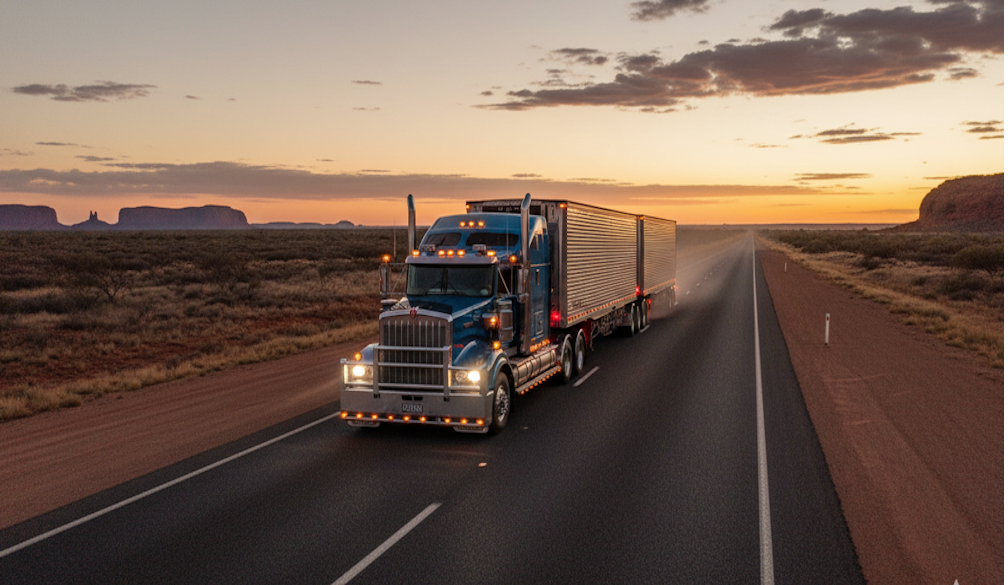
Australia is a massive continent, and its national supply chain relies almost entirely on the road transport industry to function. Moving thousands of tonnes of freight across vast, unforgiving landscapes requires more than just powerful trucks; it demands highly specialised engineering. As the logistics sector faces mounting pressure to deliver goods faster and more efficiently, commercial vehicle manufacturing has undergone a quiet but profound revolution. Engineers are constantly pushing the boundaries of what these massive vehicles can achieve, transforming the industry from basic mechanical design into a highly sophisticated technological field.
The Push for Greater Payload Efficiency
Fleet operators are constantly looking for ways to streamline their operations and reduce overheads in an increasingly competitive market. As regularly explored in our analysis of broader motoring and transport trends, modern fleets face significant pressure to integrate safely with expanding traffic networks while offsetting unpredictable global fuel markets. Every extra kilogram of dead weight on a truck means wasted fuel and significantly reduced profit margins over thousands of kilometres. This stark economic reality is driving rapid changes in how transport equipment is built from the ground up, compelling manufacturers to completely re-evaluate their traditional design philosophies.
To counter these rising operational costs, transport companies are increasingly turning to advanced heavy haulage trailers designed to maximise payload capacity and improve overall vehicle efficiency. By utilising custom-engineered transport equipment, logistics providers can safely carry massive payloads across challenging Australian terrain. These specialised designs ensure that fleets can move significantly more freight per trip without compromising the rugged durability needed for extreme outback conditions, such as severe heat, dust, and deeply corrugated dirt roads. The integration of lighter yet stronger components means that operators can carry higher revenue-generating loads without ever exceeding legal gross mass limits.
Advancements in Materials and Aerodynamics
Modern transport manufacturing is heavily focused on the intricate science of materials and airflow dynamics. Heavy commercial vehicles are no longer just basic blocks of steel on wheels. Engineers are utilising cutting-edge manufacturing techniques and materials to build equipment that is substantially lighter, remarkably stronger, and highly aerodynamic. This rigorous scientific approach directly impacts how efficiently a fleet can operate over long distances, particularly on the seemingly endless highways crossing the Australian interior.
Some of the most impactful engineering advancements in the modern commercial fleet include:
-
High-tensile steel alloys: These advanced materials allow manufacturers to construct thinner, lighter chassis frameworks that still retain the immense structural integrity required for pulling heavy loads over rough terrain.
-
Aerodynamic modifications: Strategic features like custom side skirts, cab roof deflectors, and tapered rear ends help reduce drag on long highway stretches, saving thousands of litres of fuel annually.
-
Advanced suspension technology: Modern air and hydraulic suspension systems distribute weight evenly across all axles, reducing wear on both the vehicle components and the public road surface.
-
Smart weight distribution: Computer-aided design programs help engineers position axles perfectly to balance extreme loads, improving the vehicle's traction and braking performance in wet or slippery conditions.
These combined features mean that modern fleets spend far less time in the workshop for maintenance and more time out on the road delivering essential goods to regional communities. The shift towards predictive maintenance, enabled by advanced onboard sensors, further ensures these mechanical marvels operate at peak efficiency.
Navigating Strict Safety and Compliance Standards
While reducing weight and improving aerodynamics are vital goals for any fleet manager, safety remains the absolute top priority. The Australian transport industry operates under a rigorous regulatory framework designed to protect both truck drivers and the general public. Any modern engineering advancements in commercial transport must strictly adhere to national heavy vehicle standards and modification guidelines regulated by the National Heavy Vehicle Regulator. Under frameworks like the Vehicle Standards Bulletin 6, specialised heavy-duty vehicles and custom equipment must undergo stringent safety assessments before operating on public infrastructure.
This strict regulatory environment ensures that even the most innovative and lightweight designs can withstand the gruelling demands of the Australian outback. Engineers must calculate precise stress tolerances, braking dynamics, and stability controls to guarantee that these massive vehicles do not pose a risk to passenger cars and other road users. Extensive real-world testing and advanced computer simulations are conducted long before a newly designed vehicle is allowed to join the national fleet. Innovations such as autonomous emergency braking and electronic stability control are now standard, seamlessly integrating with the physical engineering of the vehicle.
Furthermore, the integration of telematics and real-time tracking systems has given fleet operators unprecedented visibility into their mobile assets. Managers can now monitor fuel consumption, driver behaviour, and engine diagnostics from hundreds of kilometres away, making instant adjustments to routes and delivery schedules. This digital revolution perfectly complements the physical engineering, creating a holistic approach to transport logistics that is both highly profitable and environmentally conscious.
The continuous evolution of the Australian heavy transport fleet is a true testament to the ingenuity of automotive engineers. By carefully balancing the need for massive payload capacities with strict national safety standards and ambitious fuel efficiency goals, the industry continues to keep the national economy moving forward. As transport technology progresses, we can expect even more sophisticated innovations to emerge on our highways, ensuring that the road freight sector remains robust, efficient, and exceptionally safe for decades to come.