Facebook Marketplace: The Hidden Risks Behind a Bargain
- Written by: The Times
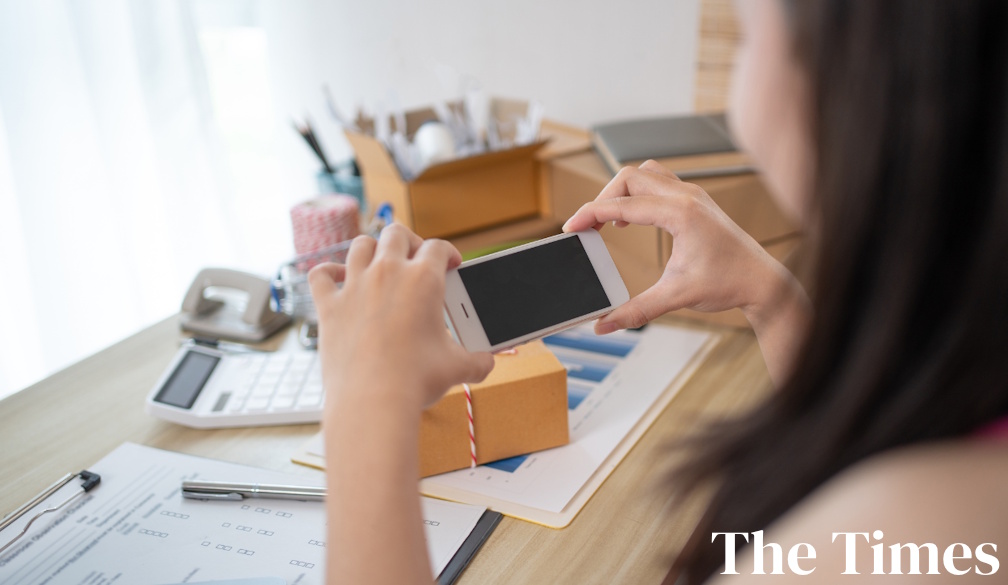
Buying and selling online has never been easier. Staying safe has never been more important.
Millions of Australians use online marketplaces such as Facebook Marketplace and Gumtree every year to buy and sell everything from lounge suites and bicycles to cars and smartphones. For most people the experience is straightforward, but police across Australia continue to warn that these platforms are also being exploited by criminals.
What begins as a routine sale can, in some cases, end in theft, assault or even a carjacking.
As more Australians embrace second-hand trading, personal safety has become just as important as finding a good price.
Why online marketplaces attract criminals
Online marketplaces connect strangers who would otherwise never meet.
That anonymity can be attractive to offenders looking for opportunities to steal vehicles, rob sellers of valuable goods or target people carrying cash.
To build instant credibility, some suspicious accounts even try to buy Facebook followers, creating a false sense of trust before initiating a deal.
Police have investigated incidents involving:
- Vehicle theft during test drives.
- Carjackings arranged through fake buyer enquiries.
- Robberies involving mobile phones, laptops and jewellery.
- Assaults during private meetings.
- Fake bank transfer scams where sellers hand over goods before payment has cleared.
While these incidents remain a small proportion of total transactions, authorities say the risks increase when meetings occur in isolated locations or at private homes.
Don't invite strangers to your home
One of the simplest safety measures is also one of the most effective.
Avoid inviting unknown buyers or sellers to your residence whenever possible.
Meeting at home tells a stranger exactly where you live, what you own and, potentially, when your home may be unattended.
If you must collect or deliver a bulky item from a residence, consider having another adult present and avoid conducting the transaction alone.
Meet in a public place
Police recommend choosing:
- Busy shopping centre car parks.
- Well-lit public areas.
- Locations with CCTV.
- Places where other people are nearby.
Daylight meetings are generally preferable to evening transactions.
Victoria Police's Safe Exchange Zone
Victoria Police has taken the concept a step further by encouraging the use of designated "Safe Exchange Zones" located outside many police stations.
These areas are monitored, well-lit and covered by security cameras, providing a far safer environment than a private driveway or secluded street.
The initiative aims to discourage criminal behaviour simply through visibility and proximity to police facilities.
While not every police station has a designated exchange area, the concept has become an important reminder that location matters. https://www.police.vic.gov.au/online-marketplace-safe-exchange-sites
Selling a vehicle? Take extra care
Motor vehicles involve larger amounts of money and naturally carry greater risk.
Before allowing a test drive:
- Verify the buyer's driver's licence.
- Accompany the buyer during the drive where practical.
- Retain the buyer's keys if appropriate while your vehicle is being tested.
- Never hand over registration papers until payment has been confirmed.
If anything feels unusual, postpone the sale.
Protect your payment
Scammers often send fake screenshots claiming money has been transferred.
Do not rely on emails or screenshots.
Wait until funds actually appear in your bank account before releasing goods.
For larger purchases, instant electronic transfers made in person are generally safer than accepting promises that payment is "pending."
Trust your instincts
Many victims later say they felt uncomfortable before the meeting but proceeded because they did not want to inconvenience the buyer or seller.
If communication becomes aggressive, inconsistent or unusually urgent, walk away.
There will always be another buyer.
There will always be another bargain.
The Times View
Online marketplaces have transformed the way Australians buy and sell, making second-hand trading faster and more convenient than ever before. But convenience should never come at the expense of personal safety.
Meeting in public, avoiding private residences, confirming payment before handing over goods and treating every transaction with sensible caution can dramatically reduce risk. A bargain is only worthwhile if everyone returns home safely.