5 things to look for in the budget – and why we really need another budget soon
- Written by: Michelle Grattan, Professorial Fellow, University of Canberra
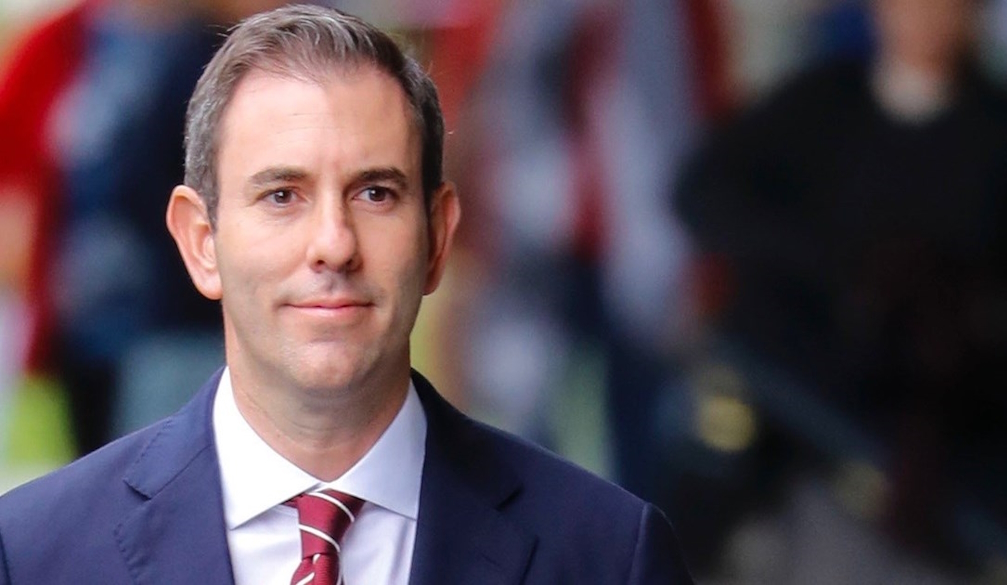
Jim Chalmers likes to boast, or marvel, that he is the first treasurer since Ben Chifley to deliver four budgets in a term.
If Labor wins the May election, the treasurer will reckon the budget will be done and dusted for this year. But actually, we really need another budget post election.
That’s for two reasons. First, because this one will be short on any hard reforms or big savings, because it is all about chasing votes.
From roads to health, this year has been give, give, give from the government. Much of the spending has been matched by the opposition. Just in recent days, the Coalition has said yes to the government’s initiatives to boost bulk billing and to reduce the price of pharmaceutical scripts. At the weekend, it instantly embraced the announcement to extend energy bill relief (A$150 dollars off bills in the second half of 2025).
Secondly, the budget could, to an extent, be quickly overtaken because it is being delivered days before the Trump administration’s April 2 tariff announcement. That announcement could have big implications for the world economy, which would flow through to the outlook for Australia.
The international fallout would be more serious for Australia than any direct hits we might take – there are worries around beef exports and pharmaceuticals – although the politics would centre on what happened to our industries.
Given the election context, you will have to look hard for specific “nasties” in this budget. The main negative is likely to be the overall uncertainty about the future.
So specifically, what should we look for on Tuesday? Independent economist Chris Richardson suggests, in an interview with The Conversation, five things to track.
1. The big ‘off-budget’ number
This is where the cost of initiatives does not directly show up in the underlying bottom line (which will be deficits through the forward estimates).
Putting large commitments off budget has increased over the years. Richardson says the Albanese government inherited about $33 billion off-budget spending (over the forward estimates), and in this budget it could be more than $100 billion. This includes spending on student debt relief, the NBN, some housing areas, and infrastructure programs.
Putting lots of items off budget “means less scrutiny and accountability,” Richardson says.
2. Tax reform (or lack thereof)
Richardson’s second item won’t involve much of a search. He asks rhetorically, “Will there be any hint the government is trying to do anything about the narrowing base of the tax take?” That is, anything to lighten the very heavy weight we place on personal and company taxes to raise revenue. As an advocate for tax reform, Richarson expects the budget will contain zero in this area.
3. NDIS spending
What is really happening with reining in spending on the National Disability Insurance Scheme? The government has made much of its progress towards bringing the growth in its share of spending on the scheme down to a projected 8% annually.
But Richardson says this is looking at only part of the story. Considerable responsibility is being pushed back onto the states; the federal government agreed to finance half the cost of new services to be delivered through state education and health systems for children with developmental disabilities to curb the burden on the NDIS. “To focus only on the federal spend on the NDIS is to miss the wider cost picture,” he says.
4. The mid-year mystery
How will the budget deal with the “mystery” that existed in its December mid-year update? That update did not seem to account for a rise in wages for public servants, even this was clearly in the pipeline.
5. The Trump factor
The budget will discuss the risks on the downside for the economy, but how will it deal with what is to come from Donald Trump? What assumptions will it contain on the likely actions of an unpredictable president?

With the election so close, there will be almost as much interest in Peter Dutton’s Thursday budget reply as in the budget itself.
The understanding is it will contain some new policy. It could hardly do otherwise. But will whatever Dutton announces stand up to scrutiny? If it is too thin, it will reinforce an impression the opposition is not presenting a credible alternative. In last year’s budget reply Dutton announced his proposed migration cuts and that quickly became mired in an argument about whether his numbers fitted together.
Under the spotlight in budget week, the opposition also has to be careful with precisely what is being said and committed to. We’ve seen the confusion over its divestiture policy and about a possible referendum to facilitate the removal of dual citizens.
On Sunday finance spokeswoman Jane Hume gave Labor some material for a scare campaign on the NDIS.
She told Sky, “The NDIS, for instance, is one of those areas in the budget that has run out of control; it was growing at 14% per annum.
"It’s been brought under control somewhat. We think that there’s more that can be done.”
Chalmers immediately jumped on her comments, demanding detail. Labor’s spinners and ad team would have been rubbing their hands.
References
- ^ AAP Image/Bianca De Marchi (photos.aap.com.au)