Unveiling of Blue Plaque commemorates the 1965 Freedom Ride during NAIDOC Week
- Written by: The Times

In celebration of NAIDOC Week, a blue plaque has been unveiled at the Wayside Chapel in Kings Cross, commemorating the pivotal 1965 Freedom Ride.
This influential campaign highlighted the racial discrimination faced by Aboriginal people in regional New South Wales and significantly contributed to social and legislative changes, including the historic 1967 Referendum.
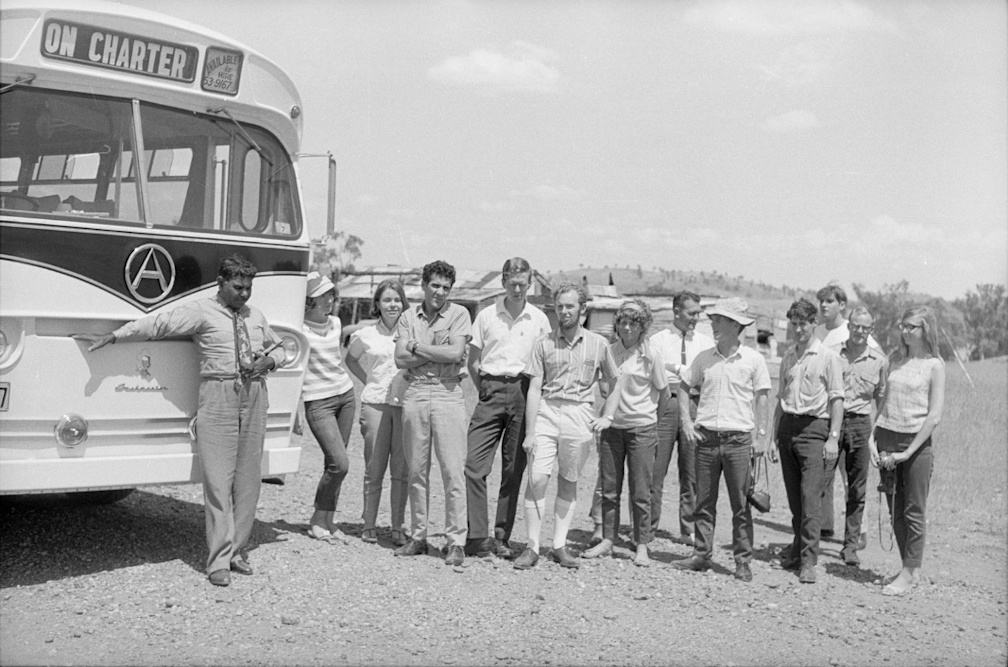
Organised by University of Sydney students and led by Charles Perkins, the Freedom Ride embarked on a 15-day bus journey on 12 February 1965, travelling through towns such as Walgett, Kempsey, and Moree.
The group demonstrated in these towns to draw attention to the discriminatory treatment of Aboriginal people. The Wayside Chapel played a crucial role in coordinating media coverage, even reaching international audiences with a story in The New York Times.
The widely publicised Ride was instrumental in changing Australians' attitudes towards Aboriginal rights. Its impact was felt two years later when more than 90% of Australians voted 'Yes' in the landmark 1967 Referendum, which granted Indigenous Australians full rights as citizens.
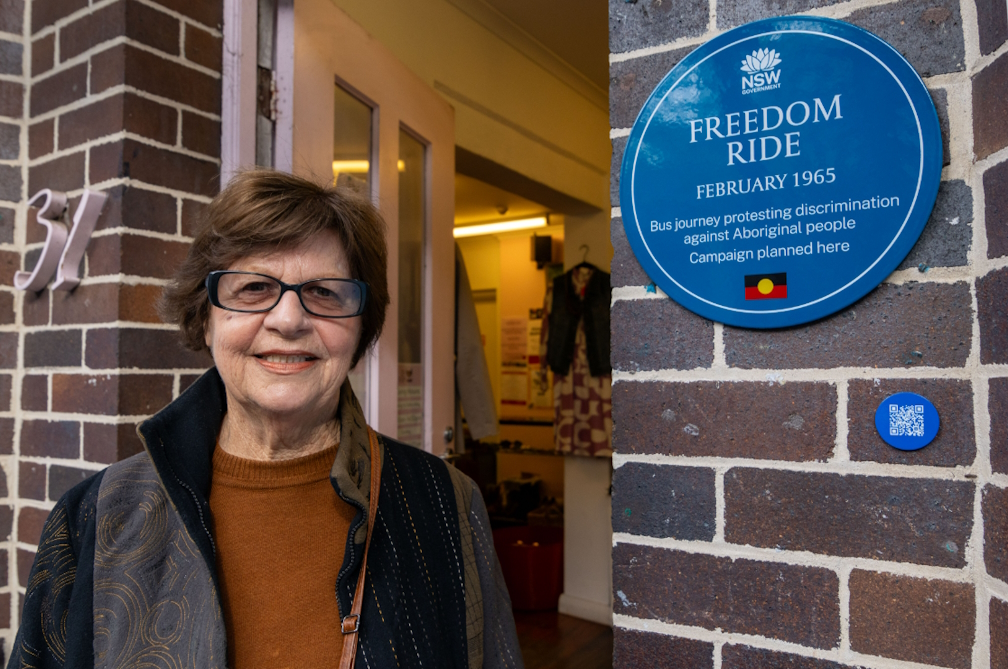
The unveiling of this blue plaque during NAIDOC Week serves as a fitting tribute to the enduring legacy of the 1965 Freedom Ride.
By commemorating the significant contributions of the campaign and the group that organised it, the plaque stands as a reminder of the progress made and the ongoing journey towards equality and reconciliation.
The Blue Plaques NSW program celebrates the stories of extraordinary people and events that have shaped our state. To learn more, visit the Blue Plaques NSW website.
Sam Kidman, Executive Director Heritage NSW: said,
"The Freedom Ride of 1965 is an integral part of the heritage of New South Wales.
This Blue Plaque serves as a testament to the enduring significance of the journey undertaken by Charles Perkins and the University of Sydney students, whose efforts catalysed meaningful progress in our state's journey towards equality and reconciliation."
Background
As the civil rights movement ignited in the United States in the early 1960s, many in Australia were compelled to stand up against racial discrimination closer to home. This included a group of students from the University of Sydney who formed the Student Action for Aborigines (SAFA) group. Arrente man Charles Perkins – one of only 2 Indigenous students at the university – was elected as the group’s leader. Taking inspiration from the US Civil Rights Freedom Rides in 1961, SAFA organised its own protest bus trip to the state’s north, determined to draw attention to the inequities and mistreatment of Indigenous people in country towns.
In February 1965, a group of 30 students left Sydney in a hired bus. For 2 weeks, the students rode the bus through regional NSW, starting in Wellington, Gulargambone and Walgett, and then moving through Moree, Boggabilla, Tenterfield, Lismore, Grafton, Bowraville and Kempsey. In Walgett, they protested a ban on Indigenous ex-servicemen entering the Returned Services League (RSL) Club.
In Moree and Kempsey, they called out local laws barring Indigenous children from swimming pools. In Bowraville, they attempted to ‘gatecrash’ the cinema to protest the inequity in ticketing for Indigenous people.
Their efforts were not well-received by locals, who pelted the group with fruit and stones, and at one stage chased the bus in a convoy of cars. In one town, the police had to escort the students to safety.
While SAFA as an organisation existed for only a short time, the Ride itself had a lasting impact. Publicity for the Ride was wide and far reaching, including in overseas newspapers, putting a spotlight on the extent Australia’s racial discrimination. This strengthened later campaigns to achieve greater equality and recognition for Indigenous peoples. Charles Perkins was catapulted on to the national stage as a spokesman for Aboriginal rights and was later awarded an Order of Australia medal for services to Aboriginal welfare.