Australian Fashion Week In Sydney: Style, Status And The Business Of Image
- Written by: The Times
Every year, Sydney transforms into something different during Australian Fashion Week. The harbour city becomes a moving theatre of fashion, image, celebrity, commerce and aspiration as designers, models, media companies, buyers, influencers and photographers descend upon the nation’s largest city.
Fashion Week is often portrayed as glamorous — and it is — but behind the flashing cameras, exclusive parties and front-row celebrities lies a serious commercial machine worth millions of dollars to the Australian fashion industry.
This year’s event arrives at an interesting time for Australian fashion.
Consumers are under financial pressure, online retail competition has intensified, fast fashion continues to dominate lower price points, and luxury brands are competing harder than ever for affluent customers. Yet despite those pressures, Australian Fashion Week remains one of the country’s most important cultural and commercial showcases.
The event is far more than a series of runway shows.
It is Australia presenting its fashion identity to the world.
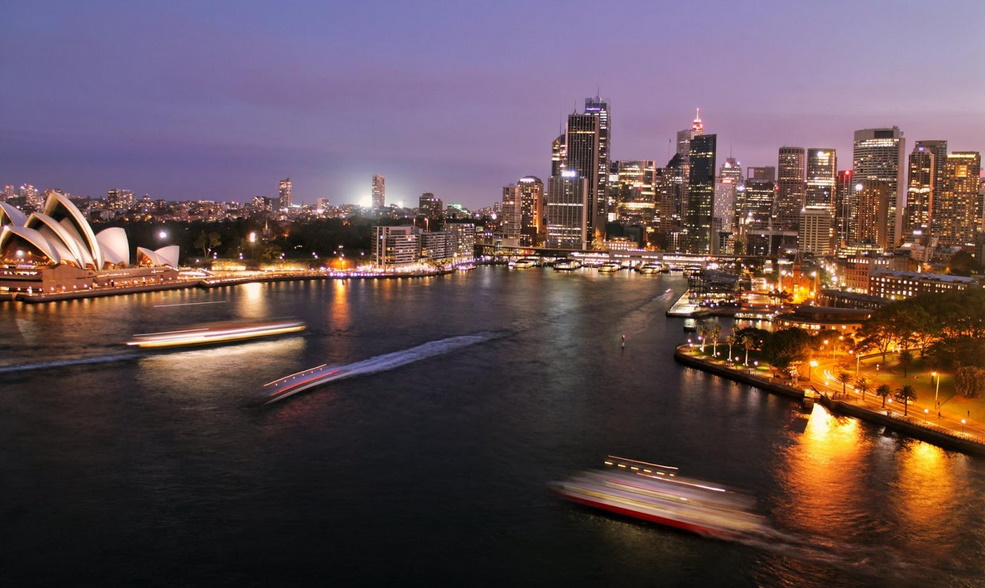
Sydney itself plays a major role in the event’s image and international appeal. Few cities can compete visually with Sydney Harbour, the Opera House, Bondi Beach and the city’s mixture of urban sophistication and relaxed coastal culture. International guests often describe Australian fashion as reflecting the city itself — modern, youthful, sunlit and less rigid than European fashion capitals.
That relaxed but polished identity has become one of the industry’s greatest assets.
Australian designers have long specialised in resort wear, linen collections, beach-inspired tailoring and luxury casual fashion that suits warm climates and outdoor lifestyles. International markets increasingly see Australian fashion as distinct from both American streetwear and European couture traditions.
Labels emerging from Australia often carry an aesthetic associated with freedom, coastal living and understated luxury.
At the same time, Australian Fashion Week has evolved significantly from its early years.
Once primarily a domestic industry gathering, it is now heavily influenced by social media, international branding and digital commerce. In the past, fashion week coverage relied on magazines, newspapers and television broadcasts. Today, TikTok, Instagram and YouTube often drive more attention than traditional media outlets.
A single viral runway moment can generate millions of views globally within hours.
That has fundamentally changed the nature of fashion itself.
Designers are no longer creating solely for buyers and editors sitting in the audience. They are increasingly designing for cameras, social media clips and online engagement. Dramatic silhouettes, celebrity appearances and unusual staging now often generate as much attention as the garments themselves.
Fashion has become content.
The rise of influencers has also transformed the event.
Some social media personalities now wield more commercial influence than traditional fashion journalists. Brands understand that a creator with several million followers can deliver immediate global exposure and direct sales opportunities.
That shift has created tension inside the industry.
Traditional fashion editors sometimes argue that fashion weeks are becoming spectacle-driven rather than design-focused. Others believe the industry is simply adapting to modern media realities.
The commercial realities are impossible to ignore.
Australian fashion brands now operate in a brutally competitive global environment. Consumers can instantly purchase garments online from Europe, the United States and Asia. Local designers are competing not only against domestic retailers but against giant international fast-fashion businesses capable of producing trend-driven garments at astonishing speed and low prices.
That pressure has pushed many Australian brands further toward premium positioning.
Rather than competing on price, successful Australian designers increasingly focus on quality, fabric selection, limited production, sustainability and brand identity. Fashion Week therefore becomes critically important because it allows brands to distinguish themselves from mass-market competitors.
Visibility matters.
Perception matters.
Luxury is often built as much on image as product.
This year’s Australian Fashion Week also arrives during ongoing discussion about sustainability within the fashion industry.
The environmental impact of fast fashion has become impossible to ignore. Consumers are increasingly questioning disposable clothing culture, synthetic fabrics, landfill waste and exploitative offshore manufacturing practices.
Many Australian designers are now emphasising ethical sourcing, recycled materials and smaller production runs. Some labels actively market themselves as alternatives to ultra-fast-fashion chains.
Yet the industry faces contradictions.
Fashion Week itself remains a highly image-conscious environment built around newness, exclusivity and trend cycles. Critics argue that even sustainable fashion still encourages constant consumption.
Supporters counter that fashion is also art, creativity and personal identity.
The economic importance of the sector should not be underestimated either.
The Australian fashion industry supports designers, textile suppliers, photographers, models, makeup artists, stylists, event organisers, publicists, transport companies, hospitality venues and media organisations. Fashion Week injects significant spending into Sydney hotels, restaurants, bars and event spaces.
For Sydney, the event is also about international positioning.
Global cities increasingly compete not only economically but culturally. Fashion weeks help cities establish relevance, prestige and tourism appeal. Paris, Milan, London and New York dominate the traditional fashion calendar, but Sydney offers something different — an Asia-Pacific fashion identity connected to lifestyle, climate and modern Australian culture.
There is also a uniquely Australian aspect to the local fashion scene.
Unlike some overseas fashion capitals that can appear inaccessible or elitist, Australian fashion often maintains a more approachable tone. Designers frequently blend luxury with practicality. Australian consumers generally expect clothing to function comfortably in real life rather than exist purely as artistic statement pieces.
That practical influence reflects Australian culture itself.
The country’s outdoor lifestyle, coastal geography and climate naturally shape design choices. Relaxed tailoring, breathable fabrics and versatile garments dominate many local collections.
At the luxury end of the market, however, Australian brands are becoming increasingly sophisticated.
International celebrities are now regularly seen wearing Australian labels. Global retailers continue sourcing Australian designers for northern hemisphere markets. Resort collections from Australian brands often perform strongly overseas because they align naturally with holiday destinations and warm-weather tourism.
Fashion Week therefore acts partly as a trade exhibition for Australian creativity.
Behind the scenes, buyers attend shows searching for commercially viable collections. Retailers assess trends, fabrics and consumer appeal months before garments appear in stores. International media organisations observe emerging designers who may become future global names.
For young designers, appearing at Australian Fashion Week can be career-defining.
A successful runway show may attract investors, retail partnerships, celebrity endorsements or international distribution opportunities. A poor reception can be financially devastating given the enormous costs involved in staging collections.
The pressure is immense.
Fashion may appear glamorous from the outside, but many designers operate under extraordinary financial strain. Producing runway collections, organising models, securing venues and marketing brands require enormous capital. Smaller labels often survive through sheer persistence and creative determination.
The event also highlights broader social and cultural trends.
Fashion has always reflected society’s mood.
Periods of economic optimism tend to produce bold colours, luxury fabrics and experimental design. Economic uncertainty often pushes consumers toward timeless garments, neutral tones and practical purchasing decisions.
Australia’s current cost-of-living pressures are therefore influencing fashion retail behaviour.
Many consumers still want premium products but are buying fewer items and expecting greater durability. “Quiet luxury” and minimalist styling continue gaining popularity partly because buyers increasingly value versatility over conspicuous consumption.
Yet despite financial pressures, fashion remains emotionally powerful.
People dress not only for necessity but for confidence, identity and aspiration. Clothing influences how individuals present themselves to the world. Fashion communicates status, personality, politics, profession and belonging.
That is why events like Australian Fashion Week continue attracting enormous attention even during difficult economic periods.
They offer escapism.
They offer creativity.
They offer spectacle.
And perhaps most importantly, they offer optimism.
For a few days in Sydney, the fashion world creates a vision of beauty, possibility and reinvention that captivates audiences far beyond the runway itself.
Behind every camera flash and designer gown lies a larger truth about modern society: image matters, identity matters, and fashion remains one of the world’s most influential forms of cultural expression.