Brisbane: The New Wave of Japanese Dining
- Written by: The Times
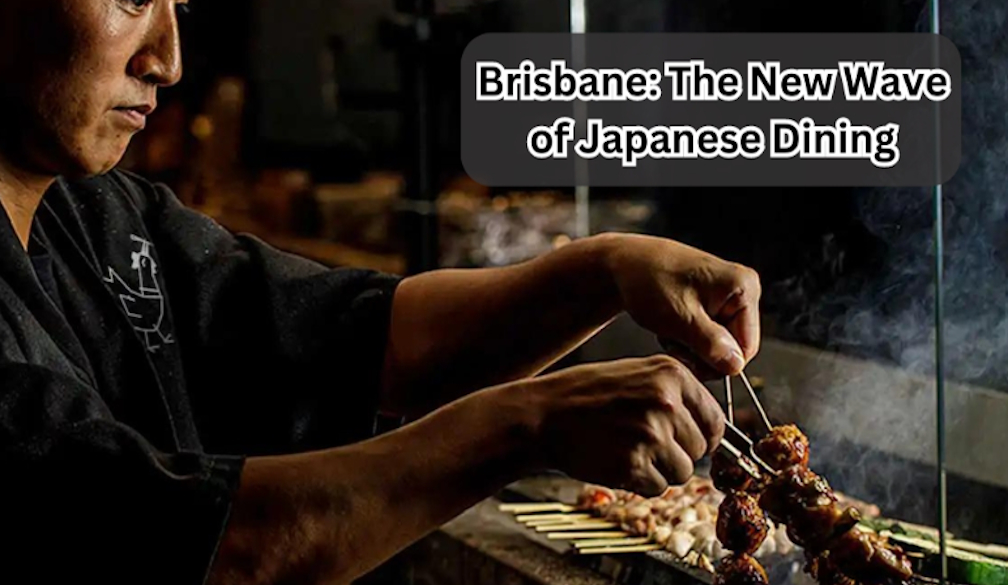
Being that Brisbane is a place known for its sunny weather, relaxed style of living, and beautiful river walk. Yet, while the picturesque locations are appealing, what sets the town apart culinary-wise is the scene and now, the Japanese restaurants are taking the lead. Let's see beyond the usual sushi trains and ramen restaurants Brisbane's recently emerged Japanese flavour is making the rice of people's hearts do the same. It's not only the innovative twists on the old favourites that matter but also the use of only the best fresh premium ingredients, combined with trendy and buzzing atmospheres that make eating in a Japanese restaurant in Brisbane an event to be remembered until the next visit! Thus, retire your same-old Japanese dining and wander into the exciting new age of the modern-day dining scene!
Fresh focus: High-quality ingredients take centre stage
Quality is king in Brisbane's new wave of Japanese dining. Skip the mass-manufactured ingredients and forget about frozen products. These restaurants are all about featuring the signature stars of current seasons, with an emphasis on the goodness of freshness and seasonality. Be prepared to get amazed by visually appealing slices of sashimi delicately prepared using top-quality tuna and salmon, or mouthwatering slices of wagyu beef oozing with flavour. Brisbane is “nearby” to farmlands and fisheries. These restaurants procure the freshest seasonal produce, therefore their dishes are full of flavour.
Global inspiration meets Japanese flavours
The world is no longer a large place and Brisbane's Japanese restaurants are manifesting that. This is where you find Japanese ingredients that are not afraid to merge with other ingredients from around the world. Witness the taste of South American spices mingling with traditional Yakitori or Australian native ingredients like wattle nut in the middle of delicate mochi dumplings. This melting pot of flavours is a truly unique dining experience not just for the excitement it brings, but also for its richness.
Beyond the Meal: A multi-sensory dining experience
The current new wave of Japanese restaurants in Brisbane has grasped the fact that restaurant going is not only about food, it is a whole experience that involves much more than the food served. These restaurants work intently to set the mood for the dining experience with a kind of ambience and mood similar to the gastronomic journey. This can manifest in a variety of ways:
- Beautiful plating: Food decoration is a skill, and new-wave restaurants in Brisbane are undoubtedly myself-professed gurus in it. Meals are arranged on slightly laid-off platters by Gen Z restaurant artists, transforming every meal into a delicacy for the eyes.
- Special dining experiences: The peak of pleasure for those who want to give it a try to omakase is that they allow certain restaurants to create original menus. Omakase literally translates as "entrust" in Japanese and the chef creates a unique multi-course menu based on all the immeasurably fresh seasonal ingredients. Thus, the diners trust the chef.
- Trendy bar vibes: If you are looking for relaxed Japanese dining – you looked no further. As an example, a lot of restaurants today attract customers by providing the ambience of a vibrant bar area in which guests can consume Japanese-themed drinks while sharing plates with their meals.
Ramen takes over: Brisbane's noodle obsession
Brisbane's new wave of Japanese dining cannot be called complete till we discuss ramen. Ramen shops are everywhere in the city with their twist on this popular noodle dish. From a rich Tonkatsu broth that has been simmering for many hours to a lighter seafood one, there is ramen for every taste. The noodles, themselves, form another highlight, offering choices from thin, and springy to thick and chewy texture. No matter what kind of ramen fan you are, the ramen scene in Brisbane has some ramen that will tickle your ethical sense of taste.
Catering to Brisbane's palate: Healthy with a twist
Brisbanites tend to be protective of their well-being and the city's vanguard Japanese restaurants are tailored to meet their needs. Although there is still a lot of food for sale that is likely to be more indulgent (like melt-in-our-mouth wagyu!), there is also an emphasis on the use of fresh, healthy ingredients as well as on the supply of lighter options alongside the stronger ones. Let us begin with the enchanting steamed vegetable gyoza with the ginger dipping sauce or the distinctive sashimi platters with dimensions of fresh salmon and tuna in company with fresh avocado and cucumber. It simply takes striking a balance between slight naughtiness and responsible eating.
Conclusion
Brisbane's latest generation of Japanese food scene is, in itself, a reliable indicator of the city's dynamic food scene. It is a spot where traditional meals are revisited through cutting-edge cooking and where local, really fresh, and top-quality ingredients are put in the central position. It is also a place where every bite becomes a journey. Thus, next time you are in Brisbane and you are hungry for something tasty and authentic can you try the restaurants that have brought the high quality of new-wave Japanese restaurants? By chance, you might just find a new top-ranking restaurant causing jaws to drop with your next Japanese food encounter.
For people willing to try out the best Japanese restaurants in Brisbane, doing a quick search on the internet or having a conversation with a local foodie will certainly reveal some places worth going to. You are indeed lucky to have the most significant number of the best restaurants in the city, and you now know that your taste buds are in for a delicious treat!