The Importance of Food Safety in NDIS Meal Preparation
- Written by: The Times
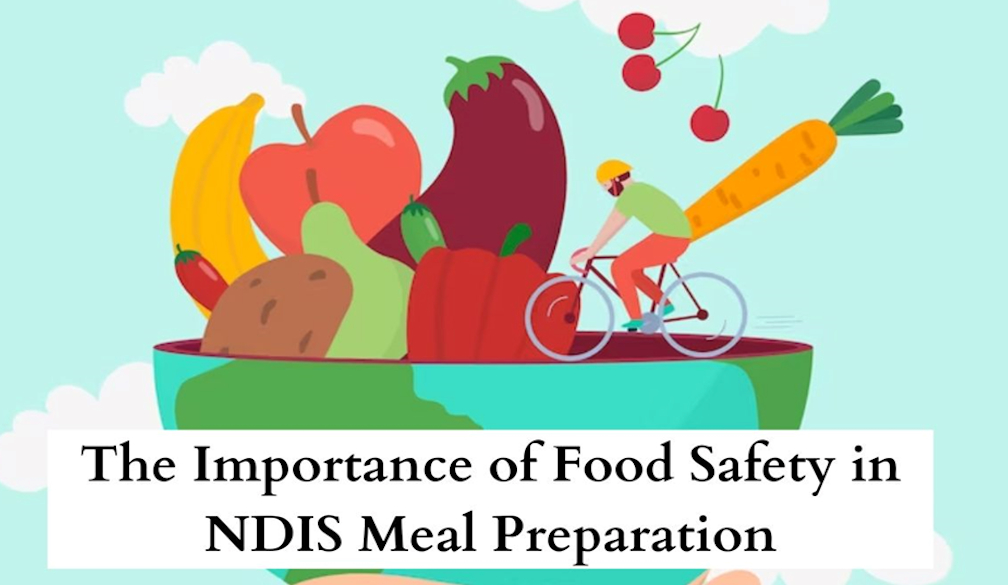
Imagine the joy of savoring a delicious meal—each bite is a delightful journey for your taste buds.
Now, picture the same meal but with a hidden threat lurking within that can turn the pleasure of dining into a painful ordeal.
For the individuals under the National Disability Insurance Scheme (NDIS), this isn't a hypothetical scenario; it's a matter of daily concern.
Let's uncover the layers of this culinary commitment and understand why, for NDIS meal providers, food safety is a non-negotiable promise.
Why Is Food Safety Essential in NDIS Meal Preparation?
Food safety isn't a mere formality; it's a fundamental aspect of ensuring the health and well-being of NDIS participants. Here's why it's of paramount importance:
1. Vulnerable Population:
NDIS participants often have underlying health conditions or disabilities that make them more susceptible to foodborne illnesses. Ensuring food safety helps protect their health and prevents complications.
2. Preventing Foodborne Illnesses:
Foodborne illnesses can be severe, causing symptoms ranging from gastrointestinal discomfort to life-threatening conditions. Practicing food safety reduces the risk of these illnesses.
3. Dietary Restrictions:
Many NDIS participants have specific dietary needs or allergies. Proper food safety protocols help prevent cross-contamination and ensure participants receive meals that align with their requirements.
4. Promoting Independence:
Safe meal preparation empowers NDIS participants to live more independently. They can confidently enjoy meals without the worry of foodborne illnesses.
Essential Food Safety Guidelines for NDIS Meal Providers
Now that we've established the importance of food safety, let's dive into essential guidelines for meal plan delivery to ensure safe meal preparation:
1. Hand Hygiene
Proper hand hygiene is the foundation of food safety:
Wash hands with soap and warm water for at least 20 seconds before handling food.
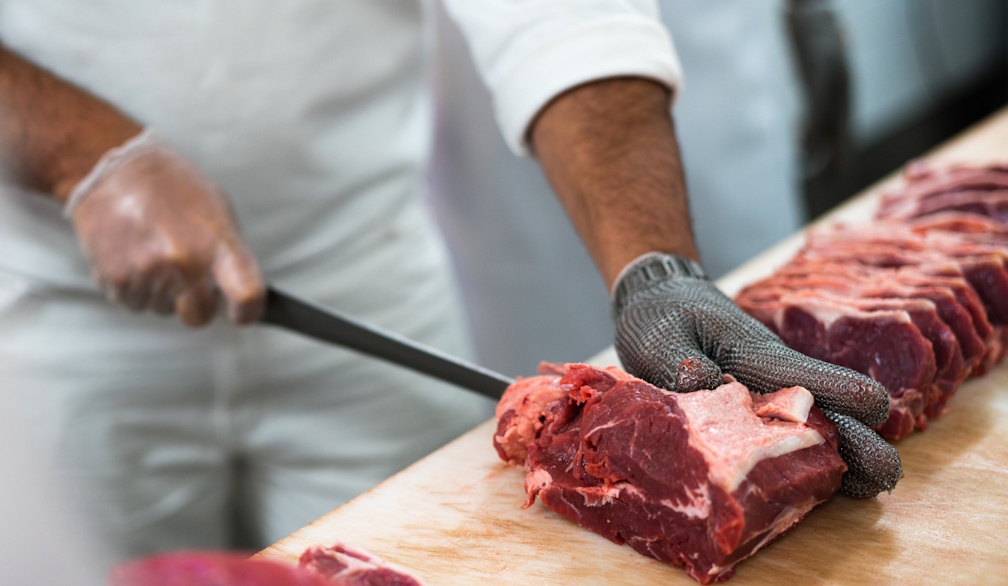
Use disposable gloves when handling ready-to-eat foods or when you have cuts or sores on your hands.
2. Cross-Contamination Prevention
Cross-contamination occurs when harmful bacteria from one food item transfer to another. Prevent it by:
- Using separate cutting boards for raw meats and fresh produce.
- Cleaning and sanitizing surfaces and utensils between tasks.
- Store raw and cooked foods separately in the refrigerator.
3. Safe Cooking Temperatures
Cooking food to the right temperature kills harmful bacteria. Invest in a food thermometer and ensure the following:
- Poultry and ground meats reach an internal temperature of 165°F (73.9°C).
- Steaks, roasts, fish, and shellfish reach an internal temperature of 145°F (62.8°C).
- Reheat leftovers to 165°F (73.9°C).
4. Time and Temperature Control
Avoid keeping perishable foods at temperatures between 40°F (4.4°C) and 140°F (60°C) for extended periods. This temperature range is known as the "danger zone" where bacteria thrive.
- Refrigerate perishable foods promptly (within two hours).
- Keep hot foods hot (above 140°F) and cold foods cold (below 40°F).
- Discard any food that has been in the danger zone for more than two hours.
5. Proper Storage
Proper food storage is key to preserving freshness and preventing spoilage:
- Label and date all food items in the refrigerator and pantry.
- Use airtight containers to store leftovers.
- Regularly clean and organize your storage areas to prevent cross-contamination.
6. Allergen Awareness
Be vigilant about allergen awareness:
- Clearly label foods that contain common allergens (e.g., peanuts, tree nuts, wheat, soy, dairy).
- Keep allergenic ingredients separate to prevent cross-contact.
7. Personal Hygiene
Maintaining personal hygiene is essential:
- Change gloves between tasks and wash hands frequently, especially after handling raw meats.
- Avoid preparing food if you are sick, especially with symptoms like diarrhea, vomiting, or fever.
8. Cleaning and Sanitizing
Regular cleaning and sanitizing of kitchen surfaces and equipment are critical:
- Use an effective sanitizing solution (e.g., diluted bleach) to disinfect countertops, cutting boards, and utensils.
- Wash dishcloths and kitchen towels frequently, using hot water and detergent.
Conclusion
Food safety isn't just a checklist; it's a commitment to the well-being of NDIS participants.
As meal providers, you have a vital role in ensuring that every meal is delicious and safe to consume.
Adhering to these food safety guidelines protects vulnerable individuals from foodborne illnesses, promotes their independence, and contributes to their overall health and happiness.
Safe meal preparation is the bedrock upon which NDIS participants can savor the joys of dining without worry.