The evolution of bread in Australia: from basic staple to artisan luxury
- Written by: The Times
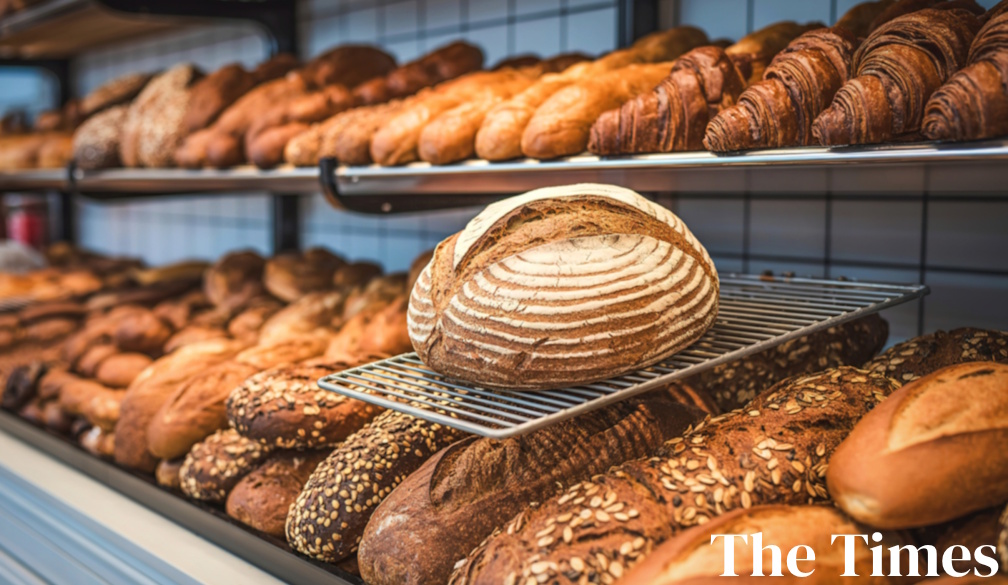
For generations, bread was one of the simplest and most affordable foods in Australia.
A loaf sat on nearly every kitchen bench. White sandwich bread filled school lunchboxes, accompanied family dinners and became part of the routine of suburban life. Bread was practical, filling and inexpensive.
Today, the humble loaf has evolved into something very different.
Australians now routinely pay $8, $10 or even $12 for artisan sourdough, rye, olive loaves and specialty breads made in boutique bakeries. Even standard supermarket bread has become noticeably more expensive. What was once considered a cheap staple has become a premium food category.
The transformation reflects changes in consumer tastes, rising business costs and a broader shift in the way Australians think about food.
Bread becomes a lifestyle product
The rise of artisan baking has changed expectations.
Consumers increasingly seek sourdough made through slow fermentation, organic flour, specialty grains, hand shaping and small batch production. Bread is no longer viewed simply as fuel. It has become associated with quality, wellness and lifestyle.
Australians have embraced European-style bakery culture, particularly influenced by French, Italian and Scandinavian baking traditions. Inner-city bakeries often market bread the same way cafes market coffee — as a craft product.
A loaf from a boutique bakery can now carry descriptors such as stone-ground flour, wild yeast starter, 48-hour fermentation or locally sourced grains. Customers are prepared to pay premium prices for perceived quality and authenticity.
The result is that bread has moved from the “basic groceries” category into the same aspirational space occupied by specialty coffee, boutique chocolate and premium wine.
Why bread costs more
The economics of baking have changed dramatically.
Flour, butter, yeast, electricity, rent, transport and labour costs have all risen sharply across Australia in recent years. Bakers operate ovens for long hours and energy prices have become a major business expense.
Commercial rents in shopping strips and urban centres have also climbed significantly. Small independent bakeries face wage pressures, insurance costs and equipment expenses that did not exist at current levels decades ago.
At the same time, Australians increasingly demand freshness and variety. Supermarkets and bakeries stock dozens of different bread styles rather than a handful of basic loaves. Greater choice creates higher production complexity and waste.
Even large supermarket chains are charging more for standard bread products. While factory-scale baking still allows cheaper pricing than boutique bakeries, shoppers have noticed that “budget bread” is no longer particularly cheap.
The sourdough boom
Sourdough became one of the defining food trends of modern Australia.
Once viewed as niche or European, sourdough is now mainstream. The pandemic years accelerated the trend as Australians experimented with home baking and developed greater interest in food quality and preparation.
True sourdough takes far longer to produce than standard bread. Fermentation can require many hours or even days. Production volumes are lower and labour input is higher.
Many consumers also believe sourdough offers digestive or nutritional benefits compared with highly processed white bread, although opinions vary among nutrition experts.
Regardless of the science, sourdough developed an image associated with craftsmanship and premium living. That image supports premium pricing.
Bread and Australian identity
Bread remains deeply connected to Australian life despite its changing image.
Traditional bakery items such as finger buns, Vietnamese rolls, meat pie accompaniments and fresh white sandwich loaves remain part of everyday culture. Regional bakeries continue to play a major role in country towns, where local bakeries often serve as gathering places as much as food businesses.
At the same time, modern Australians are increasingly food-conscious and willing to spend more on products they perceive as healthier, fresher or more authentic.
The modern loaf now reflects broader economic and cultural changes across Australia. Consumers who once searched for the cheapest loaf increasingly seek quality, texture, provenance and experience.
A luxury that was once ordinary
The idea that bread could become a premium indulgence would have seemed unlikely decades ago.
Yet in modern Australia, a handcrafted sourdough loaf can cost more than some takeaway meals once did. Bread has evolved from a low-cost staple into a product that reflects status, taste and changing lifestyles.
For some Australians, the trend represents improved food culture and appreciation for skilled baking.
For others, it is another reminder that everyday living has become far more expensive than it once was.