Restaurants Are Packed Again — So Why Are Australians Spending Less?
- Written by: The Times
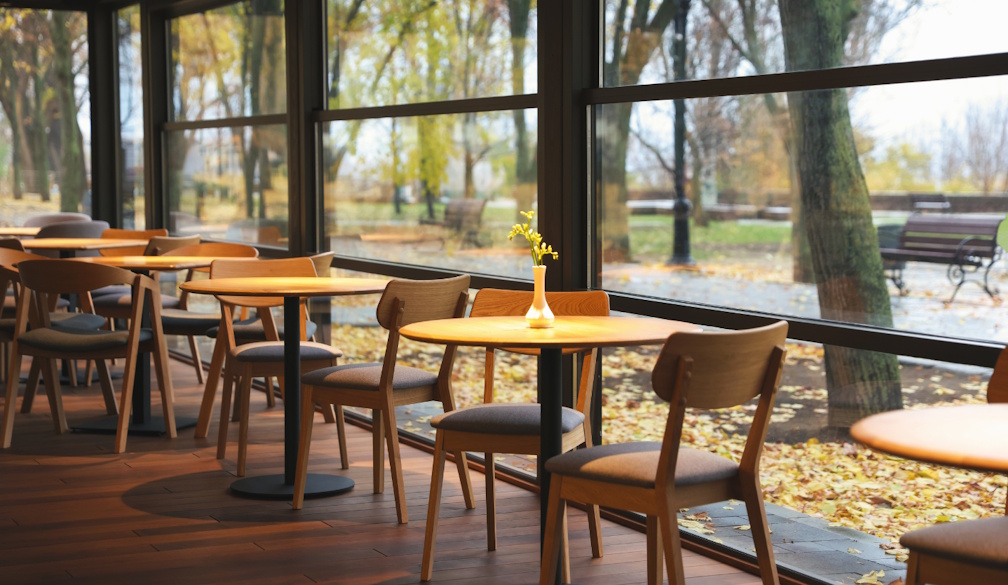
Australians still love dining out. Despite years of inflation, rising interest rates, higher rents and mounting pressure on household budgets, cafes, pubs and restaurants across the country continue to fill tables every weekend. Walk through dining precincts in Sydney, Melbourne, Brisbane or Perth on a Friday night and the scene often appears vibrant and busy.
Yet beneath the noise of crowded restaurants and clinking glasses, something important has changed.
Australians are still going out — but they are spending differently.
Restaurant owners, hospitality analysts and diners themselves are increasingly describing a new style of consumer behaviour emerging across the food and dining sector. Customers still want the experience of dining out, but many are quietly reducing what they order, how long they stay, and how much they are willing to spend.
For the hospitality industry, this trend creates both opportunity and danger.
Busy venues do not always mean strong profits.
The era of cautious dining has arrived.
For many Australians, eating out is no longer viewed as an ordinary weekly habit. It has become a controlled discretionary expense. People still crave the social aspect of restaurants — the conversation, atmosphere and escape from home — but they are becoming far more strategic about the bill.
One of the clearest shifts is the disappearance of the traditional three-course restaurant experience for many middle-income diners.
Entrees are increasingly skipped.
Desserts are often abandoned.
Alcohol consumption at restaurants has softened in many venues.
Instead, diners are focusing their spending on a single main meal while attempting to keep the overall cost manageable.
Hospitality operators across Australia report that customers are asking for tap water more frequently, sharing side dishes, and carefully scanning menus for value options rather than prestige dishes.
Some restaurants say customers are even reviewing menu prices online before deciding whether to attend.
In earlier years, people may have arrived at a restaurant with a “why not?” mentality. Today, many arrive with a calculator in their head.
The modern Australian diner is becoming financially defensive.
This does not necessarily mean Australians are becoming antisocial or unwilling to spend money entirely. In fact, many consumers appear determined to preserve dining out as an important lifestyle experience even while cutting costs elsewhere.
That emotional component matters enormously.
Restaurants are not simply places to eat. They are social environments where birthdays are celebrated, relationships develop, business meetings occur and families reconnect. After the isolation experienced during the pandemic years, many Australians place greater value on social interaction outside the home.
For younger Australians especially, dining out has become part entertainment, part lifestyle identity.
However, maintaining that lifestyle now often requires compromise.
Many diners are choosing lunch instead of dinner because lunch menus are typically cheaper. Others are attending restaurants less frequently but spending slightly more on special occasions. Group dining has become more popular because shared meals can reduce individual costs.
The old pattern of spontaneous restaurant visits is increasingly being replaced by planned outings with predetermined spending limits.
The impact of alcohol pricing has become particularly significant.
A single glass of wine in many Australian restaurants can now cost between $14 and $22. Cocktails frequently exceed $25 in major cities. Even beer prices continue to rise due to higher operating costs, taxation and supply chain expenses.
For couples dining out, alcohol can rapidly double the cost of an evening.
As a result, some Australians are choosing restaurants with BYO options or low corkage fees. Others skip alcohol entirely while dining and instead socialise afterward at home.
Some venues report rising interest in mocktails and premium non-alcoholic beverages, partly driven by health trends but also by financial caution.
The hospitality industry itself faces extraordinary financial pressure.
Restaurant owners continue dealing with increasing wage costs, elevated insurance premiums, expensive commercial rents, higher electricity bills and rising food supply prices. Many operators argue that menu prices have increased not because businesses are becoming excessively profitable, but because survival requires it.
The economics of hospitality have become brutal.
Seafood prices remain volatile. Premium meat cuts have become expensive. Fresh produce prices fluctuate heavily depending on weather events, transport costs and seasonal shortages.
Energy-intensive operations such as refrigeration, cooking equipment and climate control now represent substantial expenses for many venues.
At the same time, restaurants remain under enormous pressure to maintain service quality and atmosphere. Customers paying premium prices expect premium experiences.
This creates a difficult balancing act.
If restaurants raise prices too aggressively, customers reduce spending or stop attending altogether. If they fail to raise prices, margins may become unsustainable.
Some operators attempt to adapt by simplifying menus, reducing staffing complexity or focusing on high-margin items. Others have embraced smaller venues with lower overheads. Digital ordering systems, QR-code menus and streamlined kitchen operations are increasingly common.
Yet many diners complain that despite paying more, they sometimes feel they are receiving less personal service than before.
This perception itself may influence spending psychology.
Consumers are becoming more selective about where they spend their dining dollars.
Value now matters more than image for many households.
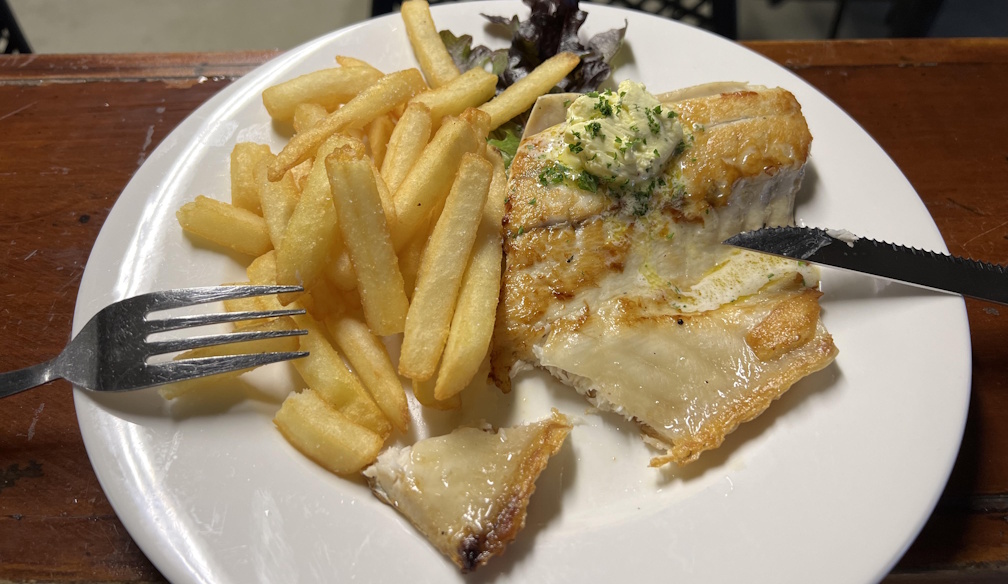
Interestingly, pubs continue to perform comparatively well in many areas because Australians often perceive pub meals as offering stronger value. Large portions, family-friendly environments and promotional meal nights remain highly attractive during periods of financial pressure.
Meanwhile, premium fine dining venues face a more mixed environment. Wealthier consumers continue spending, but middle-income customers increasingly reserve luxury dining for rare occasions rather than regular recreation.
The rise of premium supermarket shopping is also reshaping restaurant behaviour.
Many Australians now compare restaurant prices directly against what they could prepare at home.
A customer looking at a $58 steak in a restaurant may mentally compare it against purchasing premium eye fillet from a supermarket or butcher for a fraction of the total restaurant bill.
The growth of air fryers, smokers, pizza ovens and social home entertaining has further strengthened this trend.
For some households, inviting friends over for a quality home-cooked meal now feels financially smarter while still delivering the social benefits people seek from dining culture.
Restaurants therefore compete not only against each other, but against the increasingly sophisticated Australian home kitchen.
Technology has also changed dining expectations.
Customers can instantly compare reviews, prices, menus and portion sizes online before booking. Social media heavily influences restaurant popularity, but it also creates enormous pressure on businesses to deliver visually appealing experiences alongside quality food.
In some cases, venues may appear full because diners are staying longer while spending less overall. A busy room does not necessarily translate into strong profitability.
This distinction is becoming critical across the hospitality sector.
Australia’s food culture remains vibrant and deeply important to national identity. Cafes, pubs and restaurants are woven into Australian social life. Despite economic challenges, most Australians still want to preserve those experiences.
But the psychology of dining out has changed.
Consumers are becoming more disciplined, more analytical and more price-conscious.
The hospitality industry now operates in a market where customers continue showing up — but increasingly refuse to spend carelessly.
For restaurants, understanding that shift may determine which businesses survive the coming years and which struggle to adapt.
Australians still love dining out.
They are simply learning how to do it differently.