


Why Melbourne Families Are Choosing Custom Home Builders Over Volume Builders
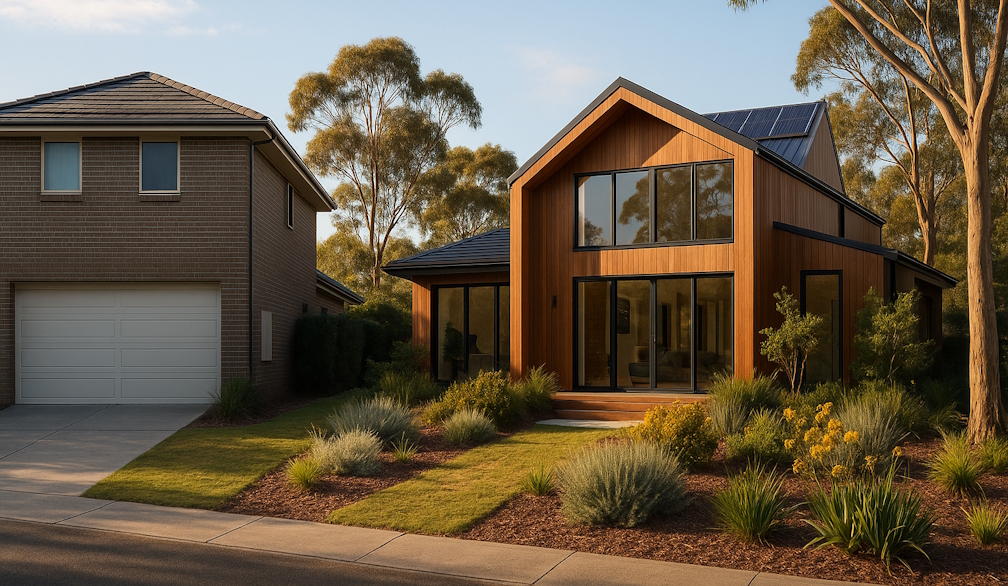
Across Melbourne’s growing suburbs, families are re-evaluating how they build their dream homes. The shift from standardised, volume-built houses to personalised, custom-designed homes reflects a broader lifestyle change, one that values individuality, functionality, and energy efficiency. With land becoming scarce and design expectations higher, the appeal of homes crafted around specific family needs continues to rise. According to the Housing Industry Association, more Australians are exploring bespoke builds that better suit modern living and sustainability goals. The question for many is, are custom home builders worth choosing over volume builders?
Understanding the Basics — Custom vs. Volume Builders
What Is a Custom Home Builder?
A custom home builder designs and constructs homes from the ground up to match each family’s lifestyle, block, and preferences. Every detail, from layout and materials to façade and finishes, is flexible. The design process focuses on collaboration, allowing families to express their personality and practical needs. These homes are one-of-a-kind, often better suited to Melbourne’s mixed terrains and evolving design trends.
What Is a Volume Builder?
Volume builders, also known as project builders, produce large numbers of homes from pre-designed plans. Buyers select a layout from a catalogue, make minor adjustments, and choose from limited upgrade packages. The model prioritises affordability and speed through scale, though that often comes at the cost of personalisation and craftsmanship.
The Key Differences That Matter
While volume builders offer convenience and cost predictability, custom builders provide flexibility and design freedom. The decision usually comes down to lifestyle priorities: a house built quickly from a template, or a home shaped around how a family truly lives.
Why Melbourne Families Are Choosing Custom Home Builders
1. Homes That Reflect Family Lifestyle and Identity
Every family has its rhythm, whether it’s open spaces for gatherings, quiet study zones, or multi-use rooms for work and play. Custom home builders adapt layouts to reflect these routines. A young family may prefer connected indoor-outdoor spaces, while others might focus on accessibility for ageing parents. The result is a home that evolves with its occupants instead of forcing them to adapt to a fixed design.
2. Long-Term Value and Lasting Quality
Custom homes often use premium materials and construction methods that stand the test of time. While upfront costs can be higher, the long-term savings from reduced maintenance and improved durability balance it out. Unique design features and architectural quality also add resale appeal in Melbourne’s competitive property market. Buyers often recognise the difference between a custom-built residence and a volume-built house and value it accordingly.
3. Design Flexibility for Melbourne’s Diverse Blocks
Many Melbourne blocks are irregular, narrow, sloped, or subject to heritage overlays. Custom builders specialise in working with these conditions. They adapt designs to maximise sunlight, views, and energy efficiency. Volume builders typically reject complex sites or charge extra for modifications. For families with a unique piece of land, a custom builder is often the only practical choice.
4. Sustainability and Energy Efficiency
Sustainability is no longer a luxury feature; it’s a standard expectation. Custom builders incorporate energy-efficient features like double glazing, insulation, solar systems, and passive design principles to help achieve Victoria’s 7-Star NatHERS rating. They also design with local climate patterns in mind, positioning living areas to capture natural light and reduce heating and cooling costs. Families investing in eco-friendly homes not only reduce their environmental footprint but also save on long-term energy bills.
5. Transparent Communication and Personal Connection
A defining feature of custom builders is the close communication between the client and builder. Families often deal directly with the person overseeing their project, creating a sense of trust and accountability. In contrast, volume builders tend to have multiple departments, where communication can feel fragmented. With a custom builder, decisions are made collaboratively and with greater clarity from design discussions to final handover.
The Hidden Limitations of Volume Builders
One-Size-Fits-All Design Approach
Volume builders rely on repetition. Their pre-set designs rarely adapt to irregular sites or unconventional living needs. This approach may suit first-home buyers seeking affordability, but it limits those wanting distinctive architecture or bespoke functionality.
Upgrade Costs and Hidden Extras
While initial prices may seem attractive, many standard inclusions are basic. Flooring, lighting, landscaping, or façade enhancements often come with added costs. What begins as a budget-friendly build can quickly rise in price once “optional upgrades” are considered.
Fast-Track Construction, Lower Craftsmanship
Speed is a priority in high-volume buildings. Crews move quickly from one project to another, leaving less time for detailed finishes or customised solutions. Custom builders, working on fewer homes at once, dedicate more time to craftsmanship and inspection.
Melbourne’s Modern Home-Building Trends (2025 and Beyond)
Family-Centric and Flexible Design
Today’s families need homes that can adapt. Open-plan living remains popular, but there’s also renewed demand for functional spaces, studies, multipurpose rooms, and outdoor areas that connect seamlessly to interiors. Homes designed this way support flexible lifestyles, including remote work and family gatherings.
Architectural Styles That Reflect Local Taste
Melbourne’s housing market has embraced contemporary Australian design with touches of Modern Coastal, Hamptons, and Minimalist architecture. Custom builders allow homeowners to mix styles, blending aesthetics with function, something that’s difficult to achieve with catalogue homes.
Sustainable Rebates and Local Building Standards
Victoria continues to encourage energy-efficient construction through initiatives such as the Solar Homes Program and new residential building codes. Custom builders often stay ahead of these changes, integrating sustainability from the earliest planning stages rather than adding it later. This proactive approach ensures homes meet compliance while lowering long-term running costs.
Common Myths About Custom Builders — Debunked
“Custom Homes Are Always More Expensive”
Costs depend on design choices, land type, and materials, not simply the word “custom”. By planning early and prioritising essentials, families can build a personalised home within a realistic budget. The value often lies in reduced maintenance and higher long-term appreciation.
“They Take Too Long to Build”
Custom builds may take longer during the design phase, but once construction begins, timelines are often similar to volume projects. Because there’s clearer planning and fewer mid-build changes, many custom homes finish on schedule.
“Custom Means Complicated”
Modern technology has simplified the customisation process. Builders now use 3D visualisation tools, digital approvals, and fixed-price contracts to make every step transparent. For homeowners, the experience can be as straightforward as choosing from a catalogue, but it can also be far more rewarding.
The Real Value — Building for Lifestyle, Location, and Legacy
Melbourne families increasingly view their homes as long-term investments in lifestyle rather than quick builds. A custom home adapts to family growth, community connections, and the character of the neighbourhood. It’s designed for comfort, sustainability, and belonging, not just resale. Over time, this approach creates stronger emotional and financial returns.
How to Choose the Right Custom Home Builder in Melbourne
Step-by-Step Builder Selection Checklist
- Review experience and portfolio. Look for completed projects that reflect varied styles and quality finishes.
- Compare inclusions transparently. Read contracts carefully and confirm what’s included in the quoted price.
- Speak to past clients. Their feedback often reveals how responsive and reliable a builder is during construction.
- Visit projects or display homes. Seeing workmanship firsthand gives a clearer sense of design and detail.
Key Questions to Ask Before Signing
- Can the design be adapted to my block or orientation?
- How do you manage communication during construction?
- What sustainability features are included?
- How are costs managed if plans change?
Taking the time to understand these details helps families feel confident about their investment.
Final Thoughts — A Home That’s Uniquely Yours
For Melbourne families, the choice between custom and volume builders often comes down to how they want to live, not just how much they want to spend. A custom home offers the freedom to design around daily life, future goals, and personal taste. It’s a thoughtful approach that values connection, comfort, and long-term quality. As urban landscapes continue to evolve, homes designed with care and individuality stand out and stand the test of time.










