


How smart home materials can shield us from extreme heat and cut energy bills all year
- Written by: Md Jaynul Abden, Postdoctoral Research Fellow, Western Sydney University
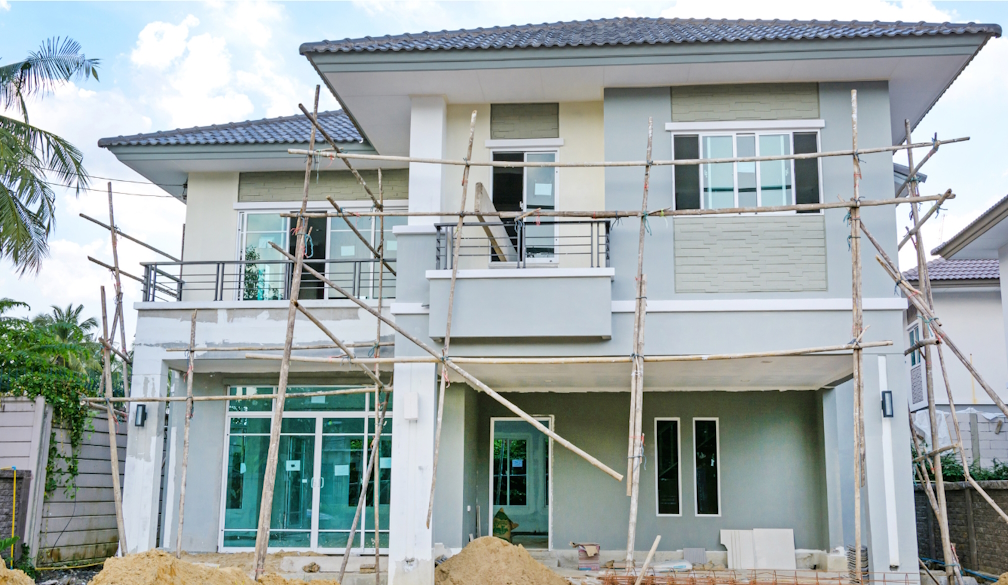
Australia is getting hotter. Climate change is driving more frequent and prolonged extreme heatwaves[1] and our homes are struggling to keep up. Alarmingly, many Australian houses – especially older ones – weren’t designed for these harsh conditions.
During a heatwave, large parts of the country’s interior can soar above 40°C[2]. That’s not only uncomfortable but also dangerous, as extreme heat puts residents at serious health risk[3].
Heatwaves have caused more deaths in Australia[4] than any natural disaster combined.
That’s where smart materials come in. They can significantly change some of their properties in a controlled manner in response to external stimuli, such as temperature. And they are being incorporated into materials such as bricks and roof cladding to make homes more resistant to heat fluctuations.
Air-conditioning can’t save us
The default fix? Turn on the air conditioner. But cooling our homes with machines comes at a cost. Our growing reliance on air conditioning creates a dangerous feedback loop: more heat leads to more energy use, which ultimately drives up carbon dioxide emissions if no solar power is available.
You might be surprised to learn that buildings are responsible for around 40%[5] of global energy use and nearly one-third of carbon dioxide emissions. In Australia, up to 50% of household energy is consumed for heating and cooling[6] depending on the climate zone – and demand peaks during heatwaves.
To reach net-zero emissions by 2050, we need more than just efficient appliances[7] and rooftop solar[8]. We need to rethink how homes interact with heat – and that’s where smart materials can make a real difference. Instead of simply blasting air-conditioning, we can build homes that actively respond to their environment.

Homes that regulate themselves?
Imagine a material that passively absorbs excess heat during the day and releases it back into the home when temperatures drop at night, with no switches, no electricity and no noise. That’s the magic of phase change materials[11], a type of smart material. They are made from materials such as waxes, salts, fatty acids and plant-based oils, and come in the form of thin panels, microcapsules, and liquid-filled pouches.
These materials absorb heat as they melt and release it again when they solidify, acting like a thermal battery[12] embedded in your roof tiles or walls. A thermal battery stores energy in the form of heat instead of electricity. This means your home can “charge” with heat when it’s warm and “discharge” that heat when it’s cool.
In summer, phase change materials absorb indoor heat during the day, which keeps living spaces cooler. At night, as outdoor temperatures drop, they release that stored heat. In winter, it’s the opposite.
Phase change materials can offer even greater[13] thermal mass than traditional materials like brick, stone or concrete. And studies show they can reduce average building[14] energy use by around 37% across various Australian cities.
But they do have a limitation under extreme or prolonged heat. If overnight temperatures remain high – as often happens during multi-day heatwaves – the material may not cool down enough to solidify. Once fully melted, it can no longer absorb heat, making it temporarily ineffective.
Reflective coatings
Like slipping on sunglasses on a sunny day, reflective coatings shield homes from the sun’s harsh rays. When applied to rooftops, they can lower indoor temperatures by up to 4°C[15]. This means less reliance on air conditioning and lower energy bills – a simple, cost-effective way to beat the heat.
But there’s a catch: what works brilliantly in summer can backfire in winter. These reflective surfaces also bounce away the warmth you want during colder months. And instead of absorbing heat, your home gets chillier[16].
To build homes for a warming world, we need solutions for all seasons – smart materials that respond to their environment by blocking heat when it’s hot, and absorbing it when it’s cold.
The future is adaptive
Our homes need layered strategies. Imagine a roof that not only reflects intense summer heat but also works with phase change materials to absorb and regulate indoor temperatures year round.
In a recent study[17], led by this article’s lead author, Md Jaynul Abden, reflective roof coatings combined with phase change materials embedded in roof tiles and gypsum board were found to significantly improve home performance during simulated Australian heatwaves.
The results were striking: indoor temperatures dropped by 7.9–9.7 °C across cities, and energy savings reached up to 80.6%. Most importantly, indoor environments remained significantly more comfortable. This is a critical benefit during heatwaves, especially for vulnerable communities without air-conditioning.
By carefully balancing the reflection and absorption of materials, we can ensure they perform optimally. These solutions aren’t mainstream yet, but as heatwaves intensify and the demand for energy efficiency grows, adaptive roofing systems are likely to become common in new builds and retrofits within the next decade.
References
- ^ extreme heatwaves (www.chathamhouse.org)
- ^ soar above 40°C (www.abc.net.au)
- ^ serious health risk (www.acoss.org.au)
- ^ deaths in Australia (www.abc.net.au)
- ^ around 40% (doi.org)
- ^ heating and cooling (www.energy.gov.au)
- ^ efficient appliances (www.choice.com.au)
- ^ rooftop solar (cleanenergycouncil.org.au)
- ^ Bran Sodre/Pexels (www.pexels.com)
- ^ CC BY-ND (creativecommons.org)
- ^ phase change materials (thermtest.com)
- ^ thermal battery (www.neuralconcept.com)
- ^ even greater (www.constructor.net.au)
- ^ reduce average building (www.sciencedirect.com)
- ^ by up to 4°C (www.unsw.edu.au)
- ^ home gets chillier (www.unsw.edu.au)
- ^ recent study (doi.org)










