


Do You Need a Building & Pest Inspection for New Homes in Melbourne?
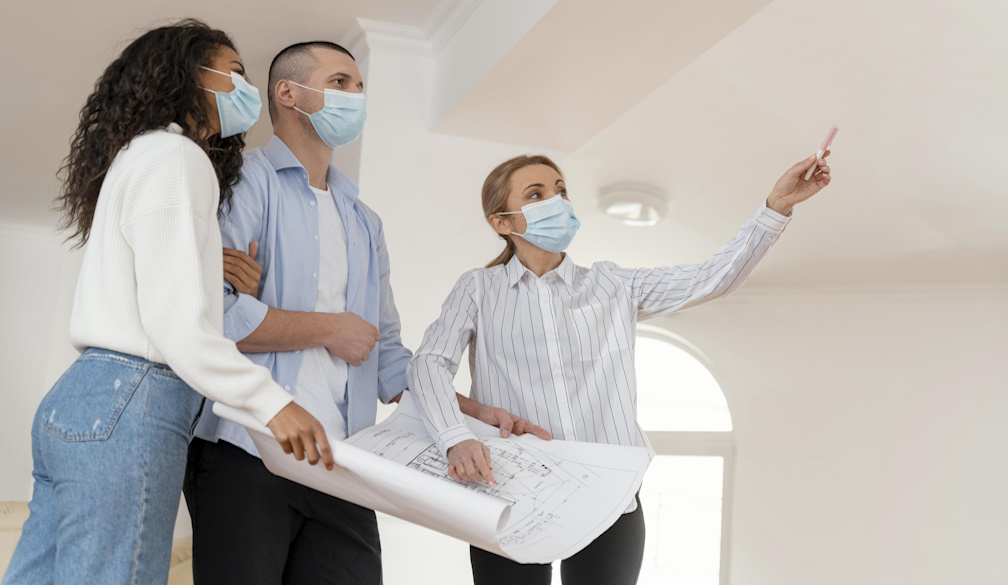
Many buyers assume that a brand-new home does not need an inspection. After all, everything is new, materials are unused, and the build has usually passed council or private property surveyor checks. In Melbourne, this assumption is one of the most common — and costly — mistakes new home buyers make.
A building and pest inspection for new homes in Melbourne is not about expecting a brand-new house to be falling apart. It is about verifying that the home has been built correctly, finished properly, and is free from hidden defects that can turn into expensive problems after handover.
This article explains why new homes still require inspections, what issues are commonly found, and when inspections should be carried out during and after construction.
Why “New” Does Not Mean “Defect-Free”
Modern homes are built faster than ever. Tight timelines, labour shortages, subcontractor handovers, and cost pressures all increase the likelihood of mistakes. While most builders aim to deliver a compliant home, compliance does not always mean quality.
Building surveyor approvals focus on minimum standards, not workmanship. They also do not assess everything. Cosmetic finishes, drainage performance, moisture entry points, and practical defects often fall outside the scope of mandatory checks.
A building and pest inspection for new homes in Melbourne acts as an independent review, focused on the buyer’s long-term interests rather than construction sign-off alone.
Common Defects Found in New Homes
Buyers are often surprised by what inspectors find in newly built properties. These are not rare or isolated cases. They appear regularly across Melbourne, regardless of suburb or builder size.
Typical issues include uneven floor levels, poor drainage fall, cracked tiles, poorly sealed wet areas, incomplete waterproofing, loose fixtures, roof defects, and substandard finishes. Structural elements may technically comply with code but still show early signs of stress due to rushed workmanship.
Because these defects are new, they are easier and cheaper to fix early. Once a home is occupied and warranty periods expire, rectification becomes more difficult.
Structural Issues Can Still Exist
Even in new homes, structural problems can occur. Incorrect slab preparation, poor site classification interpretation, or inadequate footing depth can all lead to early cracking or movement.
In Melbourne’s reactive clay soil conditions, small construction errors can have long-term consequences. A building inspection assesses cracking patterns, slab performance, and whether movement appears consistent with normal curing or indicates a deeper issue.
These are not things buyers can assess visually during a walkthrough.
Pest Risk Is Not Limited to Old Homes
It is a common myth that termites only affect older houses. In reality, termites are active throughout many Melbourne suburbs and are attracted to moisture, timber, and concealed entry points — all of which can exist in new builds.
New homes may still have:
- Poorly installed or bridged termite barriers
- Excess moisture under slabs or in subfloors
- Timber landscaping or fencing too close to the structure
- Construction debris left in soil
A building and pest inspection for new homes in Melbourne checks whether termite management systems are installed correctly and whether site conditions increase future risk. This assessment is critical because termite damage is often not covered by insurance.
Waterproofing and Wet Area Defects
Bathrooms, laundries, balconies, and alfresco areas are some of the most defect-prone parts of new homes. Waterproofing failures are one of the leading causes of disputes between builders and homeowners.
Many waterproofing issues are concealed beneath tiles and may not show visible signs until months or years later. Inspectors look for early indicators such as poor falls, incorrect detailing, cracked grout, or moisture readings that suggest incomplete waterproofing.
Addressing these issues before settlement is far easier than discovering them after the home is occupied.
Roof and Drainage Problems in New Builds
Roofing issues are not uncommon in new homes. Loose tiles, poorly installed flashing, blocked gutters, and incomplete roof drainage systems can all lead to leaks.
Drainage problems are particularly common in new estates where soil levels are altered during construction. If stormwater does not drain away from the house correctly, moisture issues can develop quickly.
A building inspection assesses whether roof and drainage systems are complete, functional, and correctly directed away from the structure.
Compliance vs Practical Living Quality
A home can be compliant but still poorly finished. Doors may not align, windows may bind, cabinetry may be misaligned, and floors may feel uneven. These issues may not breach building codes but can significantly affect day-to-day living.
A building and pest inspection for new homes in Melbourne looks at the home from a practical occupancy perspective. It assesses whether the property functions as it should, not just whether it meets minimum regulatory requirements.
When Should Inspections Be Done for New Homes?
For buyers building a home, inspections should not be limited to final handover. Ideally, inspections occur at multiple stages.
Pre-slab inspections check site preparation and footing setup. Frame inspections assess structural alignment and workmanship before linings conceal issues. Pre-handover inspections identify defects that should be rectified before final payment.
Even for completed new homes or house-and-land packages, a pre-purchase building and pest inspection provides valuable protection before settlement.
Builder Warranties Are Not a Safety Net
Many buyers rely on builder warranties as reassurance. While warranties are important, they do not replace inspections.
Warranty claims often require proof, documentation, and extended dispute processes. Some defects may be classified as maintenance or excluded altogether. Others may only become evident after warranty periods expire.
An independent inspection helps ensure defects are identified early, documented properly, and addressed before they become the owner’s responsibility.
Investment Properties and New Builds
For buyers purchasing new homes as investments, inspections are just as important. Tenants notice defects quickly, and minor issues can escalate into repeated maintenance requests or disputes.
A building and pest inspection for new homes in Melbourne helps investors ensure the property is rent-ready, compliant, and unlikely to generate avoidable repair costs in the early years of ownership.
The Cost of Skipping an Inspection
Skipping an inspection may save a small upfront cost, but it exposes buyers to much larger risks. Rectifying waterproofing failures, structural movement, drainage issues, or termite damage can cost tens of thousands of dollars.
By contrast, an inspection provides clarity, leverage, and peace of mind at a critical decision point.
Final Thoughts
New homes are not immune to defects. In Melbourne’s fast-paced construction environment, mistakes happen, shortcuts are taken, and quality can vary significantly between builds.
A building and pest inspection for new homes in Melbourne is not about distrust — it is about due diligence. It ensures the home you are buying has been built properly, finished correctly, and is free from issues that could undermine its value or livability.
Whether you are building, buying off the plan, or purchasing a completed new home, an independent inspection is one of the smartest steps you can take before settlement. It protects your investment, strengthens your position with the builder, and gives you confidence that “new” truly means ready to live in.










