Do Your Drains Keep Getting Blocked? Here Are Some Likely Reasons Why
- Written by: NewsServices.com
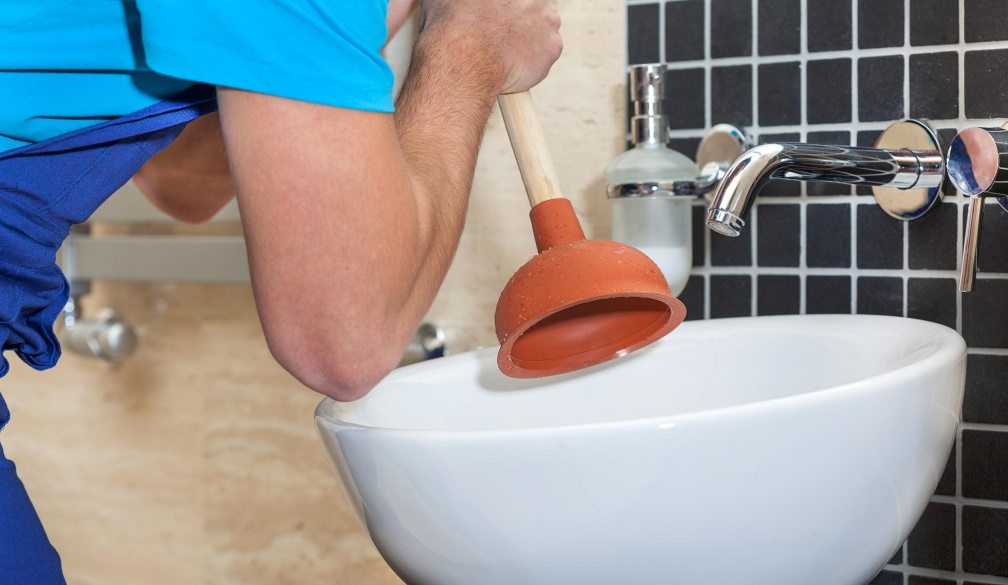
Drain blockages can be a huge hassle. Not only do they prevent water from flowing freely down your drain, but they can also cause bad smells and serious damage to your plumbing system. In this blog post, we will discuss the most common causes of drain blockages. If you are having trouble with blocked drains, it is important to identify the source of the problem so that you can take corrective action.
Cooking Oils and Grease
One of the most common causes of drain blockages is cooking oils and grease. When these substances cool, they solidify and cling to the sides of your pipes. Over time, this build-up can create a major blockage. To avoid this problem, it is important to never pour cooking oils or grease down your drain. Instead, dispose of them in a container and throw them away. If you have already poured cooking oils or grease down your drain, there are a few things you can do to try to remove the blockage. First, you can pour boiling water down the drain. This will help to melt any solidified grease or oil. You can also use a plunger to try to dislodge the blockage. If neither of these methods works, you may need to call a professional plumber.
Soap Scum
Another common cause of drain blockages is soap scum. Soap scum is the residue that is left behind when you wash your hands or take a shower. Over time, this soap scum can build up and create a blockage. To avoid this problem, it is important to use drains that have a cover. This will help to keep soap scum from going down your drain in the first place. If you already have a drain that is covered in soap scum, you can try to remove it with a plunger or a plumber’s snake. If these methods do not work, you may need to call a professional plumber.
Toiletries
Another common cause of drain blockages is toiletries. This includes things like toothpaste, hair, and other small items that can easily become lodged in your pipes. To avoid this problem, it is important to be careful about what you flush down your toilet. Only flush toilet paper and waste products down the toilet. Do not flush anything else down the drain. If you have already flushed something down the toilet that should not be flushed, there are a few things you can do to try to remove the blockage. First, you can pour boiling water down the drain. This will help to dissolve any small items that are stuck in your pipes. You can also use a plunger to try to dislodge the blockage. If neither of these methods work, you may need to call a professional plumber.
Conclusion
Blocked drains can be a huge hassle. By understanding the most common causes of drain blockages, you can take steps to prevent them from happening in the first place. If you are having trouble with blocked drains, it is important to identify the source of the problem so that you can take corrective action. High pressure water jets are often used to clear blocked pipes, as well as a CCTV drain survey to establish the exact location and cause of the blockage. If you have already tried to clear a blocked drain yourself with no success, it is important to call a professional plumber. A professional plumber will be able to quickly identify the source of the problem and take corrective action.