What you need to know about skin cancer to protect yourself: Six misconceptions set straight
- Written by: Dr Priya Chagan, General Manager, Health Services
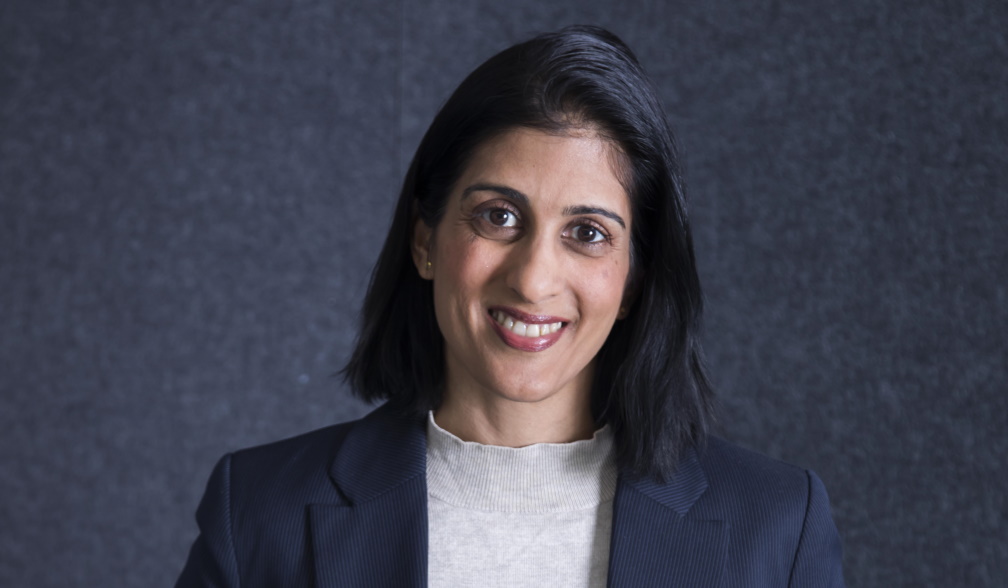
With a health condition as common as skin cancer, widespread myths and misconceptions must be quashed to keep Australians safe in the sun and confident in their skin.
Skin cancer is a bigger issue than many people realise. TAL research[i] found more than half of Australians (59%) still acknowledge that they underestimate the prevalence of skin cancer in Australia, so it’s clear that there’s still more to do to support people in talking about and committing to skin safety.
TAL’s General Manager, Health Services Dr Priya Chagan, sets six common misconceptions straight.
Myth 1. Sun damage is only possible on sunny days
We hear a lot about being sun aware and skin safe when the weather is warm, which is important, but the reality is that skin safety is important all year around. Vigilance shouldn’t become less important when the temperatures begin to drop.
Damage from UV radiation is possible during all seasons of the year, even when it is cool, cloudy, or rainy weather.
Myth 2. The higher SPF you apply, the longer you can stay out in the sun
Higher SPF can often create a false sense of security, leading people to think they can stay out in the sun much longer and even skip reapplying their sunscreen. Regardless of the SPF, sunscreen should not be applied to extend the amount of time you spend in the sun.
Sunscreen is not a complete shield from the sun, and it should not be used as the only line of defence against UV. As a general rule, when the UV Index is above 3, The Cancer Council recommends protecting yourself in five ways: (1) by slipping on sun protective clothing, (2) slopping on sunscreen, (3) slapping on a broad brim hat, (4) seeking shade when possible and (5) sliding on sunglasses.
Sunscreen should be applied 20 minutes before going outdoors so it absorbs into the skin to offer optimal protection. Although some sunscreen is water resistant, no sunscreen is completely waterproof, and it should be reapplied immediately after swimming. And, if you are in the sun for longer periods, then it needs to be reapplied every two hours.
The SPF included in cosmetics and moisturisers aren’t enough to provide adequate sun protection and unless cosmetics are labelled with SPF30 or higher, then additional sunscreen is needed.
Myth 3. People with darker skin can’t get skin cancer
It’s a common misconception that people with darker skin or those who have already had sun exposure are less susceptible to the dangerous effects of exposure to the sun’s UV rays. Although darker skin, including olive-toned skin, does not burn in the sun as easily as fairer skin, the reality is that any exposure to UV radiation can come with risks.
The places on the body where skin cancers tend to occur in people with darker skin are often in less exposed areas such as the soles of the feet, which makes detection more difficult. Because of that, skin cancer is typically diagnosed at a later stage in people with darker skin, which means it is generally more difficult to treat successfully.
Research from the Cancer Council[ii] revealed that one in four (26%) teenagers in Australia get sunburnt on summer weekends. The damage caused in teenage years can significantly increase the risk of skin cancer in later life. Regardless of skin type, everyone should be practicing regular skin safety behaviours at any age.
Myth 4. Sunscreen is the only form of protection needed to prevent skin cancer
While sunscreen plays an important role in skin safety, the reality is that skin cancer can occur anywhere on the skin, including places that receive little or no sun exposure.
Prevention isn’t enough on its own. It’s important to self-check your skin and get regular professional skin checks, particularly if you see changes in your skin. As one of the most easily detectable and preventable cancers, it’s so important that these checks become an integral part of everyone’s health routine.
Myth 5. If you keep an eye on your skin, you don’t need to get professional skin checks
Getting familiar with how your skin looks and developing a regular habit of checking your skin for new spots and changes is key to early detection.
TAL’s research found that despite 92% of Australians saying self-checking is important to them, 60% don’t know how to properly self-check their own body for signs of skin cancer. When self-checking your skin, it’s important to look out for any sore, changing, abnormal or new spots as these can all be signs of skin cancer.
In addition to regular skin-checks, it’s important to get regular skin checks by a professional, which is a simple process. The doctor will examine your skin, including areas you may not be able to see. It’s quick, easy and could save your life.
Many GPs and skin cancer clinics bulk-bill for their services, while others may charge a fee. Ahead of your appointment, ask about costs and how much is covered by Medicare or your private health fund.
Myth 6. Unprotected sun exposure is required to avoid Vitamin D deficiency
Often dubbed ‘the sunshine vitamin’, Vitamin D is important for bones, muscles and overall health. People shouldn’t sit out in the sun unprotected or deliberately expose themselves to potentially harmful UV with the intention of upping their Vitamin D intake.
Research[iii] has found that prolonged sun exposure does not cause Vitamin D levels to continue to increase. Taking a balanced approach to sun exposure will reduce your risk of skin cancer.
The Cancer Council states that adequate Vitamin D levels are reached through regular, incidental exposure to the sun. When the UV Index is 3 or above (such as during summer), most people maintain adequate Vitamin D levels just by spending a few minutes outdoors on most days during the week.
With 2 in 3 Australians to be diagnosed with skin cancer by the age of 70[iv], it is vital to spread the word about sun safety and skin protection in Australia.
[i] The survey was conducted by Edentify Pty Ltd on behalf of TAL, in October 2021, with a nationally representative sample of 1,500 respondents in Australia aged 18-65+ years old.
[iii] Mead M. N. (2008). “Benefits of sunlight: a bright spot for human health”. Environmental health perspectives