Existing Moles Are Not Responsible For Most Melanomas
- Written by: NewsServices.com
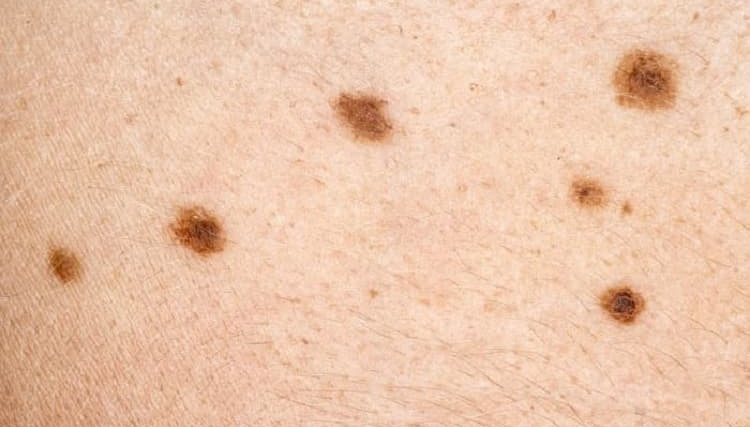
The summer is reaching its end and the time has come to put away the sandals, beach gear, and bathing suits. After spending more time out in the sun over the summer than any other season, the start of fall is an excellent time to conduct a self-exam of your skin. As you put away your summer seasonal supplies once and for all, however, don’t forget to leave out the broad-spectrum sunscreen to use throughout the year.
A recent study found that most melanomas are the result of new spots that appear on the skin and reported that existing moles are only responsible for less than one-third of melanomas. There is also additional research that reports that less than 50% of the sunscreen consumers purchase has broad-spectrum protection.
Researchers reviewed 38 studies that covered 20,126 cases of melanoma and determined that 29% of melanoma cases were the result of an existing mole, whereas 71% of melanoma cases were caused by new spots on the skin. Furthermore, when the melanoma was caused by existing moles, it was typically thinner than other melanomas. In general, this means that patients with melanoma from an existing mole have a better prognosis.
According to Caterina Longo, MD, Ph.D., the study’s author, monitoring existing moles for any changes could help discover melanoma early enough to treat it more easily. However, it is more likely for melanoma to appear because of a new spot on the skin and therefore a greater emphasis should be placed on looking for new spots in a self-exam, in addition to tracking any existing moles.
Though it is still important to examine the skin for any changes to existing moles, The Journal of the American Academy of Dermatology, or the JAAD, recently published research that suggests it is essential to conduct skin exams to look for new growths because they could lead to the development of melanoma, one of the most fatal types of skin cancer. If you notice any changes on your skin, you should contact a skin cancer specialist.
Routine Self-Exams & Broad-Spectrum Protection
The American Academy of Dermatology recommends that everyone conduct routine self-exams of their skin, protect and ask another person to review areas of the body that are difficult for you to see. If you find any new spots or changes to existing moles, contact a dermatologist, especially if there is any bleeding or itching.
It is also encouraged by the AAD to avoid the sun’s harmful ultraviolet rays when possible by finding shade, choosing protective clothing, and using a broad-spectrum, water-resistant sunscreen with an SPF of 30 or higher. Research that was published in the JAAD, unfortunately shows that only 39% of consumers are looking for broad-spectrum sunscreen.
Roopal V. Kundu, MD, FAAD, the author of the study published by the JAAD, reminds us that there is more to consider than SPF. In her work, she explains the difference between UVA and UVB rays and how broad-spectrum sunscreen protects against both.