As the Iran war disrupts supplies, will it affect access to medicines?
- Written by: Jack Janetzki, Lecturer in Pharmacy and Pharmacology, Adelaide University
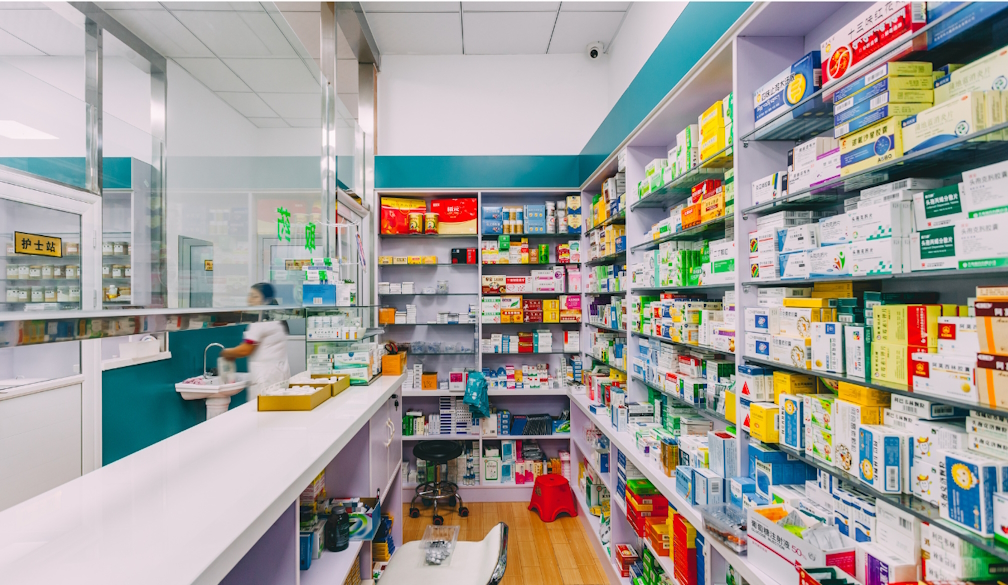
As the conflict in the Middle East disrupts fuel, shipping and food supplies, many are starting to ask if they will be still be able to get their medicines if the war drags on.
Australia’s medicine supply chain[1] is built to handle short disruptions. So you shouldn’t have problems accessing most common medicines in the short to medium term.
But it isn’t designed for prolonged global instability.
What’s in place to protect our medicine supply?
Since July 2023, Australia has had specific stock-holding requirements[2] for many medicines[3] the government subsidises on the Pharmaceutical Benefits Scheme (PBS).
It means[4] manufacturers must hold at least four or six month’ worth of stock of these medicines, depending on the particular medicine, on Australian soil.
This creates a buffer. If a shortage begins, it gives the Therapeutic Goods Administration (TGA), our national medicines regulator, time to respond and reduce the impact.
These medicines aren’t stored in a single warehouse. They’re spread across wholesalers and pharmacies. This helps ensure access across the country, including in regional areas.
The list of medicines covered[5] is reviewed regularly and another review is due this month. This means regulators can adjust which medicines are prioritised as global conditions change.
However, this protection does not apply to every medicine.
If a medicine is not listed on the PBS, the risk of shortages increases. This includes newer medicines and those only available on private prescription[6]. These medicines often have smaller stock buffers and fewer suppliers so they are more vulnerable when supply chains are disrupted.
What about existing shortages?
Australia has been dealing with medicine shortages[7] for several years. Common causes[8] include manufacturing problems such as difficulty sourcing raw ingredients and sudden increases in demand for medicines.
There have been ongoing shortages of attention-deficit hyperactivity (ADHD) medicines[9] lisdexamfetamine and methylphenidate, for example, due to global demand and production limits[10] overseas. Some antibiotics and hormone replacement therapies[11] have also been affected by manufacturing disruptions. High demand for weight-loss medicines[12] has also affected supply.
Where do our medicines come from?
Australia produces some medicines and vaccines locally[13], but we are not self-sufficient. Even when medicines are made here, the raw ingredients are often imported. Overall, more than 90% of medicines used in Australia[14] come from overseas.
The main sources of medicines are the United States, Europe, India and China. India and China are especially important because they manufacture many of the raw ingredients[15] used to make medicines. Even the US depends on these supply chains[16], which then affects countries such as Australia.
This is where the system becomes fragile
Medicine supply chains are less like a straight pipeline and more like a spider’s web. Their strength depends on every strand of the web being intact. One strand might be a factory in India. Another could be a shipping route through a conflict zone. Another is a wholesaler in Australia.
If one strand breaks, the system does not collapse immediately, but it weakens. When several strands are disrupted at once, the effects ripple across the network.
War can disrupt this web in multiple ways. Shipping routes may be blocked or delayed. Air transport can be restricted. Access to raw materials may be limited. Manufacturing can slow down. Even in Australia, fuel shortages could affect how medicines are transported between cities and pharmacies.
War is one risk. Natural disasters, pandemics and even panic buying can all place additional pressure[17] on supply. When these pressures happen at the same time, shortages become more likely.
We rely on such a complex system because of costs and efficiencies. Manufacturing medicines in Australia is expensive[18]. Producing them overseas is often cheaper. The system also relies on what’s known as “just-in-time” supply. Stock is replenished regularly rather than stored in larger quantities.
This keeps medicine prices lower, but also means there’s less room for error when disruptions occur.
For now, Australia is managing
In the short term, the current buffer is likely enough. But if disruptions continue for six months or longer, the risk of broader shortages increases, especially for medicines that are made by fewer manufacturers or with single or limited raw ingredients.
There are currently 397 medicines listed[19] as being in shortage. This number fluctuates but is slightly down from what we’ve seen[20] in the past few years. The TGA provides public information[21] on current and anticipated shortages, along with guidance on how they are managed.
Read more: Why doesn’t Australia make more medicines? Wouldn’t that fix drug shortages?[22]
There are also systems in place[23] to respond when shortages occur. These systems have been shown[24] to work.
The TGA can allow temporary importation[25] of medicines approved in other countries, known as Section 19A approvals. In some cases, these medicines can also be subsidised under the PBS[26].
If the pharmacist can’t swap you to another brand of a product, the TGA can provide special permission[27] for pharmacists to dispense a different formulation of the same medicine without needing to contact the doctor. This helps maintain access without needing a new prescription.
Increasing local manufacturing would improve resilience but it would take[28] time and significant investment.
What should I do in the meantime?
Don’t panic or stockpile[29] medicines. Keep your prescriptions up to date. Plan ahead so you don’t run out.
If you’re concerned, speak to your pharmacist and doctor. If your medicine is in short supply, there may be alternatives or ways to source your medicine from another location.
Australia’s medicine supply chain is designed to manage disruption and it has done so before. While global pressures are increasing, there are safeguards in place[30] and multiple ways health professionals and policy makers can respond to help you if shortages occur.
References
- ^ medicine supply chain (www.tga.gov.au)
- ^ stock-holding requirements (www.pbs.gov.au)
- ^ many medicines (www.pbs.gov.au)
- ^ means (www.pbs.gov.au)
- ^ list of medicines covered (www.pbs.gov.au)
- ^ private prescription (www.health.gov.au)
- ^ medicine shortages (doi.org)
- ^ causes (www.tga.gov.au)
- ^ medicines (onlinelibrary.wiley.com)
- ^ demand and production limits (doi.org)
- ^ antibiotics and hormone replacement therapies (apps.tga.gov.au)
- ^ weight-loss medicines (doi.org)
- ^ produces some medicines and vaccines locally (www.medicinesaustralia.com.au)
- ^ more than 90% of medicines used in Australia (www.tga.gov.au)
- ^ raw ingredients (www.medicinesaustralia.com.au)
- ^ depends on these supply chains (www.sciencedirect.com)
- ^ place additional pressure (www.tga.gov.au)
- ^ expensive (www.australianpharmacist.com.au)
- ^ 397 medicines listed (apps.tga.gov.au)
- ^ what we’ve seen (theconversation.com)
- ^ provides public information (apps.tga.gov.au)
- ^ Why doesn’t Australia make more medicines? Wouldn’t that fix drug shortages? (theconversation.com)
- ^ systems in place (www.tga.gov.au)
- ^ shown (doi.org)
- ^ allow temporary importation (www.tga.gov.au)
- ^ subsidised under the PBS (www.tga.gov.au)
- ^ provide special permission (www.tga.gov.au)
- ^ would take (theconversation.com)
- ^ Don’t panic or stockpile (www.tga.gov.au)
- ^ safeguards in place (consultations.tga.gov.au)