Key Nutrients to Consider Before Pregnancy
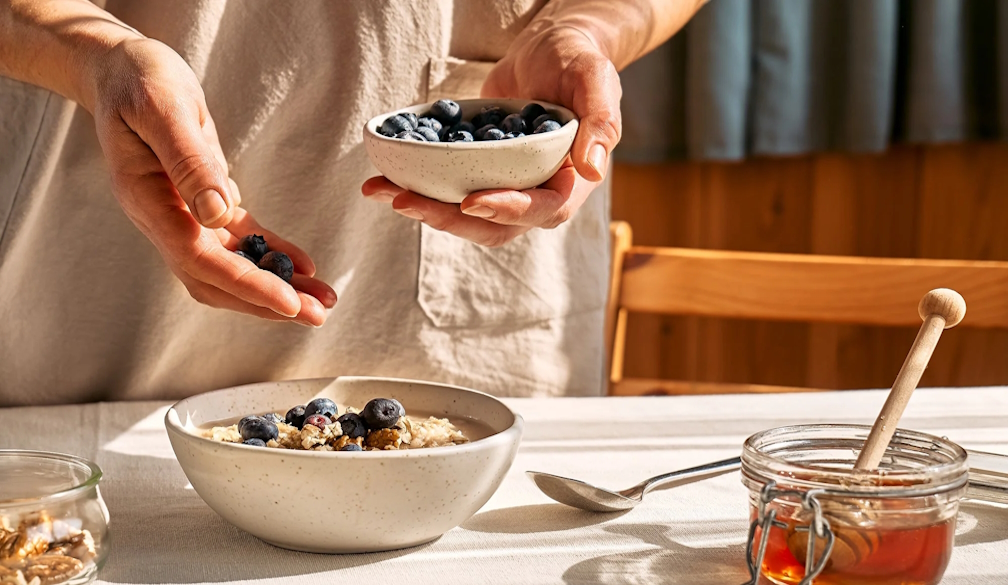
Preparing for pregnancy often begins well before conception. Nutrition plays an important role during this stage, as the body relies on existing nutrient stores to support early development. For this reason, many health professionals encourage individuals to focus on a balanced diet and adequate intake of essential vitamins and minerals during the preconception period.
Alongside dietary improvements, some individuals also explore options such as a pre-pregnancy multivitamin to help complement their daily nutrient intake. These products are generally considered as part of a broader approach to maintaining nutritional balance rather than a replacement for whole foods.
Why Nutrition Matters Before Pregnancy
The preconception stage is a time when the body prepares for the increased nutritional demands of pregnancy. During the early weeks of pregnancy, important developmental processes take place, often before many people realise they are pregnant.
Ensuring adequate intake of key nutrients during this time is commonly discussed as part of general health guidance. A varied diet that includes whole grains, fruits, vegetables, lean proteins and healthy fats can help support overall wellbeing and provide essential nutrients.
Folate (Vitamin B9)
Folate is one of the most widely discussed nutrients in pre-pregnancy nutrition. It plays a role in cell division and DNA synthesis, which are important processes during early development.
Food sources of folate include:
- Leafy green vegetables
- Lentils and legumes
- Citrus fruits
- Whole grains
Because dietary intake may vary, some individuals choose to include folate through fortified foods or supplements as part of their nutrition plan.
Iodine
Iodine is a mineral that supports normal thyroid function, which is involved in regulating metabolism. It is commonly included in preconception nutrition discussions due to its role in early development.
Sources of iodine include:
- Dairy products
- Eggs
- Seafood
- Iodised salt
In Australia, iodine intake is often highlighted in dietary guidance for those planning pregnancy.
Iron
Iron contributes to the production of red blood cells, which help transport oxygen throughout the body. During pregnancy, the body’s demand for iron increases, making it an important nutrient to consider beforehand.
Iron-rich foods include:
- Lean meats
- Spinach and leafy greens
- Legumes
- Fortified cereals
Including a mix of plant and animal-based sources can help support adequate intake.
Vitamin B12
Vitamin B12 works alongside folate in supporting normal cell function. It is primarily found in animal-based foods such as:
- Meat
- Fish
- Eggs
- Dairy products
Individuals following vegetarian or vegan diets may need to pay closer attention to their B12 intake.
Omega-3 Fatty Acids
Omega-3 fatty acids, including DHA, are often discussed in relation to pregnancy nutrition. They are found in foods such as:
- Fatty fish
- Walnuts
- Chia seeds
- Flaxseeds
Including these foods as part of a balanced diet can contribute to overall nutrient intake.
Building a Balanced Pre-Pregnancy Diet
A well-rounded diet remains the foundation of preconception nutrition. Including a variety of whole foods can help provide a broad spectrum of nutrients needed for general health.
Key dietary habits include:
- Eating a variety of fruits and vegetables
- Choosing whole grains over refined options
- Including lean protein sources
- Staying hydrated throughout the day
These habits can support overall wellbeing and help maintain consistent nutrient intake over time.
When People Consider Pre-Pregnancy Multivitamins
While a balanced diet is the primary source of nutrients, some individuals may find it challenging to meet all their nutritional needs through food alone. In such cases, a pre-pregnancy multivitamin may be considered as a convenient way to complement dietary intake.
These supplements often contain a combination of nutrients such as folate, iodine, iron and B vitamins that are commonly discussed in preconception nutrition. Individuals may also come across options such as a pregnancy multivitamin, which are typically formulated for use during pregnancy stages.
Choosing supplements is usually done alongside a balanced diet and may involve guidance from a healthcare professional to ensure suitability for individual needs.
Conclusion
Focusing on nutrition before pregnancy is an important step in preparing the body for the changes ahead. Key nutrients such as folate, iodine, iron, vitamin B12 and omega-3 fatty acids are commonly discussed in preconception guidance due to their roles in normal bodily functions.
By prioritising a balanced diet and consistent eating habits, individuals can work towards meeting their nutritional needs. For some, additional options such as a pre-pregnancy multivitamin may be explored to support daily nutrient intake as part of an overall approach to maintaining health and wellbeing.