The Benefits of Choosing Dental Implants Over Other Tooth Replacement Options
- Written by: The Times
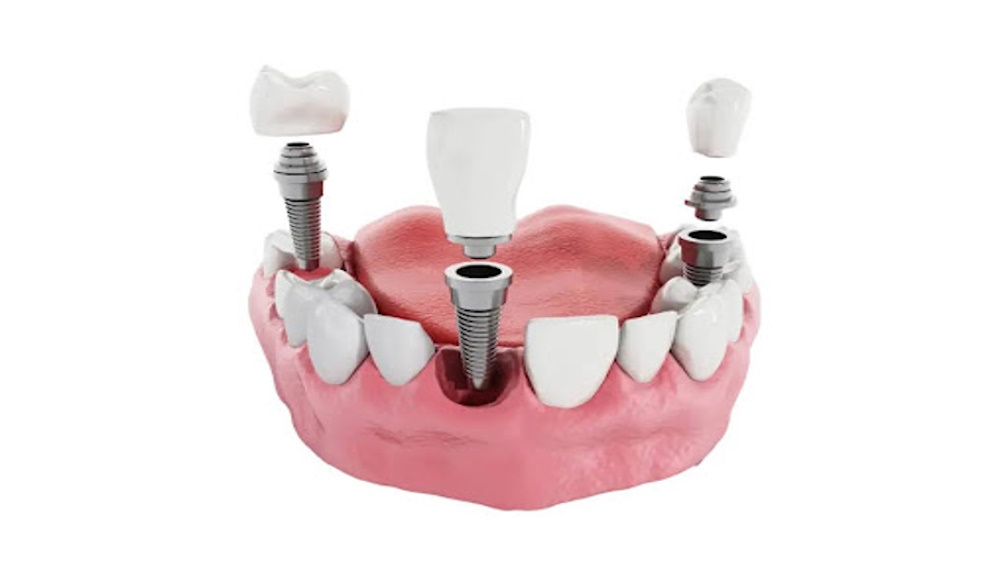
Tooth loss is a widespread dental problem in people of all ages. Tooth loss can significantly affect oral health and self-esteem, regardless of whether it is caused by injury, decay, or disease. Fortunately, contemporary dentistry provides several ways to restore missing teeth, such as dentures, dental bridges, and dental implants. If you’re considering dental implants in Perth or looking for an experienced dentist Ellenbrook, this guide will help you understand why implants may be the best choice.
What Are Dental Implants?
Tooth implants refer to biocompatible artificial teeth roots, e.g., titanium, inserted surgically in the jaw bone. On integration with the bone through osseointegration, the implants form a solid and firm foundation to mount replacement teeth, e.g., crowns, bridges, or dentures.
1. Enhanced Stability and Functionality
Unlike dentures, which can slip or shift, dental implants Perth specialists place are anchored directly into the jawbone, providing unparalleled stability. This allows you to eat, speak, and smile with confidence, just like you would with natural teeth.
Dental implants function like natural teeth and provide a bite force equal to natural teeth. However, outdated dentures can only regain 25-50% of maximum chewing strength, which means dietary limitations.
2. Improved Aesthetics and Natural Feel
Dental implants are very similar to natural teeth in appearance and texture. The crowns fitted onto implants are tailored to the shape, size, and colour of the surrounding teeth, making the smile look natural. Unlike dentures, which can appear fake or lead to sagging of the face with time, implants preserve a natural facial appearance by not allowing bone loss.
3. Long-Term Durability and Cost-Effectiveness
While implants are pricier than other tooth replacement options, they are cost-effective in the long run. Bridges and dentures must be replaced or adjusted periodically due to wear and tear, but implants can last a lifetime if properly cared for.
4. Prevention of Bone Loss
One of the significant advantages of dental implants is their potential to avert bone loss. When one loses a tooth, the bone beneath the gum at the lost tooth site will dissolve due to insufficient stimulation. Eventually, the bone loss will cause facial sagging and other tooth loss.
Dental implants stimulate the bone in the jaw, like natural tooth roots, stimulating new bone growth and preserving jaw contours. This benefit excludes implants and cannot be provided by dentures or bridges.
5. Protection of Adjacent Teeth
Unlike dental bridges, which require grinding down adjacent teeth to support the prosthetic, implants do not affect adjacent teeth. It is crucial to maintain natural tooth structure to preserve long-term oral health.
Bridges and partial dentures also pressure neighbouring teeth, leading to wear and tear over time. Dental implants are independent and do not change the integrity of surrounding teeth.
6. No Risk of Slippage or Discomfort
Lower dentures that are much lower tend to slide, which is uncomfortable and irritating. Others also develop sore spots or struggle to speak with traditional dentures.
Dental implants address these issues by providing a fixed solution that will not move or cause irritation. Implant patients are more satisfied than patients with removable dentures.
7. Improved Oral Hygiene
Dental implants are simpler to clean than other options. Unlike bridges that require special flossing to clean under the prosthetic, implants are cleaned by flossing and brushing like regular teeth.
Dentures must be taken out and cleaned every day, and if not properly maintained, can lead to bacterial buildup, bad breath, and mouth infections. In the case of implants, one maintains good oral health through usual brushing and flossing.
8. Increased Confidence and Self-Esteem
Tooth loss can significantly affect confidence and self-esteem, causing social anxiety and hesitation to smile. Dental implants are a permanent, natural-appearing solution that restores confidence.
Unlike dentures, which can slip during speech or laughter, implants are firmly embedded, enabling a person to function without fear.
9. Better Speech Clarity
Poorly fitting dentures can affect speech by slurring or mumbling. Since dental implants function exactly like natural teeth, they allow one to possess accurate and precise speech without the risk of movement.
With traditional dentures, there is also an adjustment period during which patients may struggle with pronunciation. Implants, however, are easily integrated into the mouth; from day one, speech will be natural.
10. Convenience and Lifestyle Benefits
Dental implants eliminate the inconvenience of dentures, such as applying adhesives, daily removal, and regular refitting. Implants become permanent fixtures in the mouth for good, offering a hassle-free experience.
Implant patients are not limited in what they can eat. Sticky and hard foods, which can be difficult for dentures, are no issue for teeth supported by implants.
11. Technological Advancements in Implant Dentistry
Modern advancements in dental implant technology have made the procedure safer and more efficient. Computer-guided implant placement, 3D imaging, and improved materials have all contributed to better patient outcomes.
Mini implants and all-on-four implant systems now provide solutions for individuals with bone loss, further expanding implant accessibility.
Conclusion
Dental implants most successfully and sustainably do tooth replacement. Their ability to provide stability, preserve bone shape, and enhance overall oral health outdoes the deficiencies of traditional bridges and dentures.
Although the initial expenditure may be more, the long-term benefits of dental implants are much more than the cost. Better aesthetics, function, and confidence make them a worthwhile choice for anyone seeking a permanent remedy for missing teeth.