Experience the Difference: SupaGarlic Tablets for a Stronger You
- Written by: The Times
Unveiling the Power of Australian Garlic
In the realm of health and wellness, the quest for natural remedies that truly make a difference is perpetual. Enter SupaGarlic – a revolutionary supplement crafted to harness the potent benefits of garlic, Australia's very own superfood.
Embracing Nature's Bounty
At SupaGarlic, we pride ourselves on offering premium garlic supplements derived solely from 100% Australian garlic. Sourced, cultivated, and processed locally, our products embody a commitment to purity and quality unrivalled in the market.
A Heritage of Healing
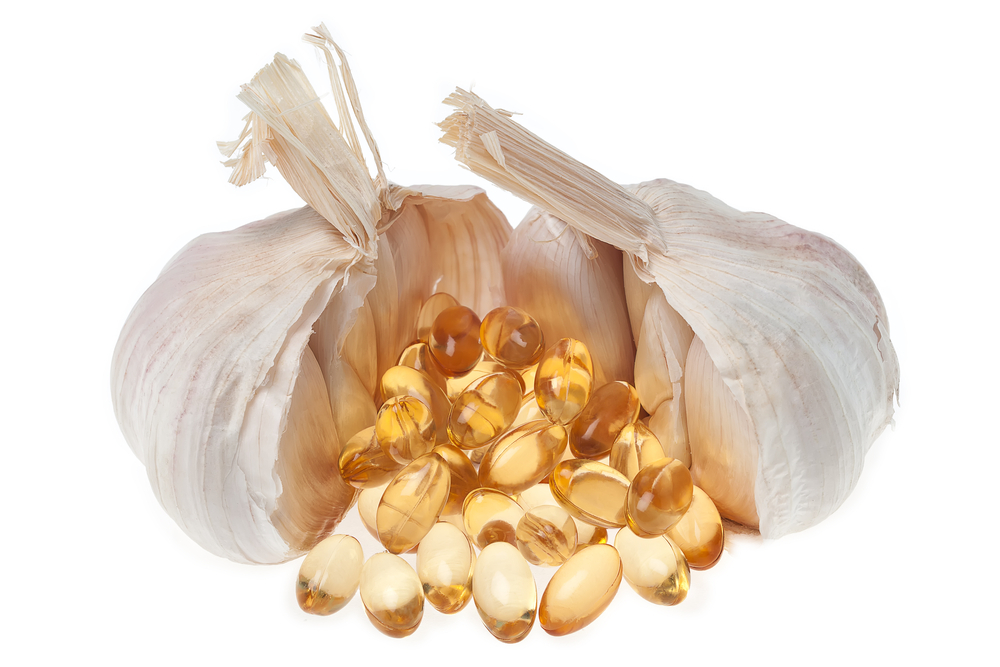
Garlic's illustrious history spans millennia, revered across cultures for its medicinal properties. At SupaGarlic, we honour this tradition by encapsulating the essence of fresh garlic in every tablet, preserving its inherent vitality.
Uncompromising Quality Assurance
Our journey begins with the careful selection of non-GMO garlic seed stock cultivated under stringent conditions to ensure optimal potency. From planting to harvest, every step is meticulously executed to uphold our unwavering standards.
Harnessing Nature's Essence
We employ patented low-temperature technology to capture the full spectrum of garlic's benefits. This gentle extraction process preserves the integrity of the garlic, maximising its bioavailability for enhanced efficacy.
Versatile Health Solutions
SupaGarlic offers a diverse range of formulations tailored to address various health needs. Whether seeking immune support, congestion relief, or cardiovascular wellness, our supplements are crafted to deliver tangible results.
The Origin Story: From Farm to Tablet
Cultivation Excellence
Our commitment to excellence begins at the source – the pristine fields where our garlic is cultivated. Nestled in the fertile lands of Australia, our farms provide the ideal environment for garlic to flourish.
Sustainable Practices
We understand the importance of stewardship when it comes to the land. That's why we prioritise sustainable farming practices that minimise environmental impact while maximising yield and quality.
Traceability and Transparency
At SupaGarlic, transparency isn't just a buzzword – it's a cornerstone of our ethos. We believe in full traceability, allowing our customers to easily trace their supplements' journey from seed to shelf.
Local Manufacturing
Our dedication to local production extends beyond farming. Every step of the manufacturing process, from extraction to encapsulation, takes place in Australia. This not only supports local economies but also ensures stringent quality control.
The Science Behind SupaGarlic: Unleashing Nature's Potency
Allicin: Nature's Secret Weapon
Central to garlic's therapeutic prowess is allicin – a bioactive compound with potent antimicrobial and antioxidant properties. Our meticulous extraction process preserves allicin's integrity, allowing it to work its magic within the body.
Antioxidant Richness
In addition to allicin, garlic boasts an array of antioxidants that combat oxidative stress and inflammation. These compounds play a crucial role in bolstering the body's defences against chronic diseases and premature ageing.
Cardiovascular Support
Garlic's cardiovascular benefits are well-documented, with studies highlighting its ability to lower blood pressure, cholesterol levels, and triglycerides. By incorporating SupaGarlic into your daily regimen, you can support heart health naturally.
Immune Modulation
Garlic's immune-boosting properties have been revered for centuries. From fending off colds and flu to combating infections, its ability to fortify the immune system makes it a staple in wellness arsenals worldwide.
The SupaGarlic Advantage: Why Choose Us?
In a market flooded with options, SupaGarlic stands apart as a beacon of authenticity and effectiveness. Here's why discerning consumers prefer our products:
- Purity: Made exclusively from Australian garlic, free from additives or fillers.
- Potency: Patented extraction techniques ensure maximum bioactivity.
- Traceability: We maintain complete transparency in our supply chain from farm to bottle.
- Versatility: Our supplements cater to diverse health concerns, offering holistic solutions.
- Commitment: Driven by a passion for wellness, we prioritise the well-being of our customers above all else.
Unlocking the Potential of Garlic
Garlic's therapeutic properties extend far beyond culinary delight. Backed by centuries of empirical evidence, its role in promoting vitality and longevity is indisputable. With SupaGarlic, experiencing the transformative power of this ancient remedy has never been more accessible.
Conclusion
In a world inundated with fleeting trends and empty promises, SupaGarlic emerges as a steadfast ally in your pursuit of health and vitality. Embrace the legacy of garlic – nature's original superfood – and embark on a journey towards a stronger, healthier you.