Transforming Addiction Treatment Marketing Across Australasia & Southeast Asia
- Written by: Times Media

In a competitive and highly regulated space like addiction treatment, standing out online is no small feat. That’s where Rehab SEO comes in — a specialist digital-marketing agency dedicated entirely to private drug and alcohol rehab centres. With a focus on private clinics in Australia, Thailand, Bali, and New Zealand, Rehab SEO provides targeted strategies that have helped their clients dominate their markets.
A Specialised Approach
What sets Rehab SEO apart is their laser focus on the addiction rehab industry. Rather than spreading marketing expertise broadly across multiple sectors, the company channels all its energy into helping recovery clinics reach the people who need them most — individuals and families seeking help for substance use. This niche concentration means Rehab SEO truly understands the complexities and sensitivities of addiction treatment marketing.
Traditional marketing or broad-spectrum SEO agencies can struggle in this field because they lack that deep domain knowledge. But Rehab SEO’s team brings decades of search-engine optimization, website design, and Pay-Per-Click experience to bear for rehab providers — with empathy, authority, and ethical rigor.
Trust, Transparency, and Results
At the heart of Rehab SEO’s value proposition is transparency. They don’t rely on smoke-and-mirror tactics, but instead provide detailed monthly reporting, rank tracking, and a shared dashboard linked to clients’ Google Analytics.
For a vulnerable audience seeking rehab services, this integrity is vital: potential clients need to find trustworthy information and clinics need to ensure their outreach is effective and responsible.
Rehab SEO also operates under an exclusivity model: they take on only one rehab client per region or service area, minimizing conflicts and safeguarding each client’s dominance in their niche.
Proven Impact
The numbers speak for themselves. Rehab SEO boasts over 1,000 happy customers, 1,300+ projects completed, and claims “700% return on investment” for their clients.
Their success isn’t just transactional — it’s transformational. Clients report “page-one ranked keywords” in Google and Bing for their most crucial search terms, leading to dramatic increases in organic traffic and, critically, client admissions.
Testimonials reinforce the impact: one satisfied clinic manager noted that their site’s search-engine ranking “soared,” resulting in more inquiries and admissions.
Another client said they saw a doubling of clients over just a couple of years, attributing the growth to both Rehab SEO’s SEO initiatives and the development of third-party referral relationships.
Leadership That Knows the Game
The driving force behind Rehab SEO is Ian Creaser, who brings 20 years of experience in online marketing to the table. His deep industry expertise underpins Rehab SEO’s mission: to provide best-in-class SEO and marketing for addiction treatment providers. While his LinkedIn profile isn’t fully accessible via standard web crawlers, it’s well known in industry circles that Ian has been building and running award-winning SEO and web agencies long before Rehab SEO’s narrow focus.
This wealth of experience makes Rehab SEO uniquely qualified to navigate the ethical, legal, and practical challenges of addiction clinic marketing. Ian’s leadership ensures that clinics are not only visible, but seen in a way that is respectful, effective, and purpose-driven.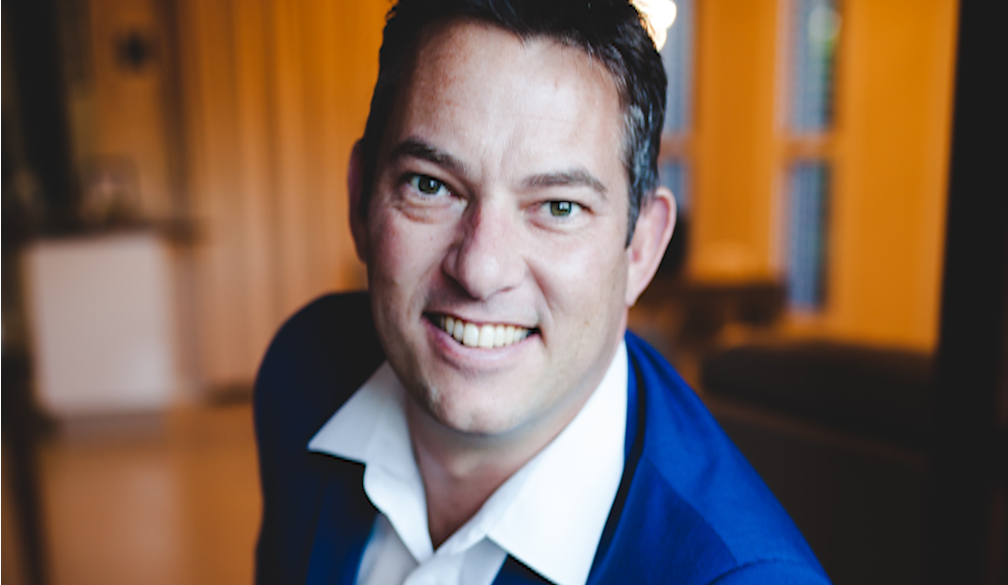
Why Rehab Clinics in Australia, Thailand, Bali & New Zealand Choose Rehab SEO
Private rehab centres operate in an increasingly saturated and highly competitive market. For clinics in Australia, Southeast Asia (like Thailand and Bali), and New Zealand, having a strong online presence is essential — not just to attract clients, but to build trust and credibility in what is often a very personal and life-changing decision.
Regulatory Pressure & Advertisement Limitations: In some regions, the ability to run paid ads for rehab services is challenged or tightly regulated. For example, in Australia, recent developments have seen restrictions on paid Google advertising for non-government rehab services.
Under such constraints, SEO becomes even more critical: clinics must rely on organic search to be found by people who need them most.
Global Reach for Private Retreats: Many high-end rehabs in Bali or Thailand serve international clients, including Australians and New Zealanders. Rehab SEO’s global mindset and technical expertise help these facilities reach across borders, ensuring they appear in search results in highly competitive markets.
Ethical Messaging: Addiction recovery is deeply personal. Marketing in this space must be handled with sensitivity and care. Rehab SEO understands this. Their content strategies emphasize trust and legitimacy, helping clinics provide helpful resources, answer urgent questions, and build relationships with potential clients and referral partners.
Building Long-Term Partnerships
Rehab SEO doesn’t just deliver short-term wins; they aim for long-term growth. By aligning with rehab clinics as strategic partners rather than just service providers, they contribute to building sustainable online presences. Monthly reporting, competitive analysis, and ongoing optimization allow clinics to adapt and scale over time.
This model has helped many of Rehab SEO’s clients not only improve their organic search performance but also strengthen their business structure — deepening referral networks, improving conversion rates, and driving admissions in a reliable, consistent way.
The Bigger Picture
In a world where privacy, sensitivity, and trust matter more than ever, Rehab SEO is filling a niche that few other marketing agencies can credibly occupy. Their deep understanding of the addiction treatment industry, combined with ruthless SEO discipline and a commitment to transparency, make them a go-to partner for private rehab centres looking to grow ethically and effectively.
Ian Creaser’s leadership ensures that the agency’s strategies are not just technically sound, but also aligned with the needs and values of recovery treatment organisations. And the results speak for themselves: from doubled client loads to page-one rankings, Rehab SEO helps rehab clinics make a profound impact — by connecting them with the people who need their help most.