Petition to Save Inland Rail — “Australia Cannot Afford to Walk Away”
- Written by: The Times
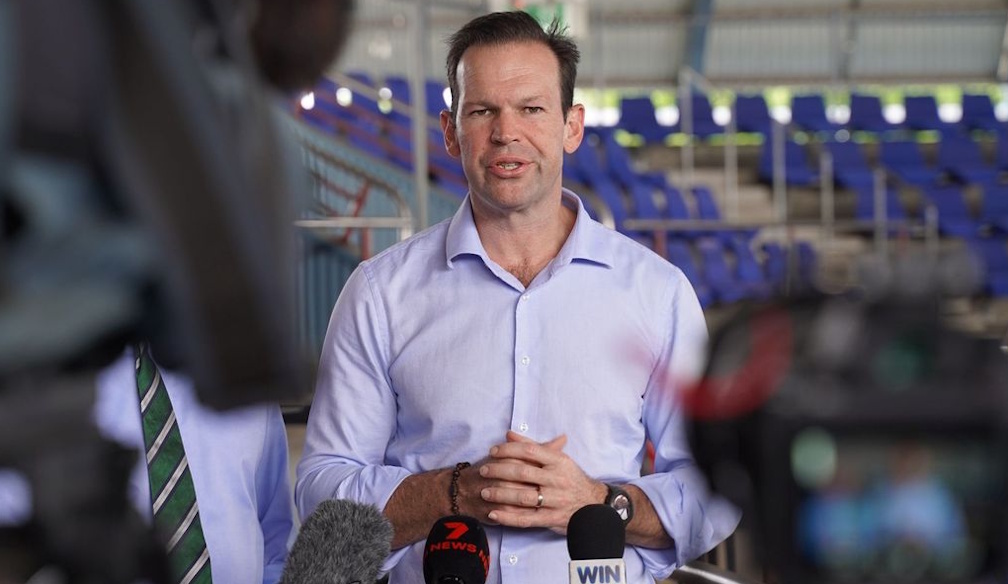
Australian Senator Matt Canavan has launched a campaign aimed at preserving and completing the long-debated Inland Rail project, arguing that abandoning or scaling back the freight corridor would be a historic economic mistake for regional Australia.
The Queensland National Party senator says the nation is at risk of wasting billions of dollars already spent while sacrificing one of the largest infrastructure opportunities in modern Australian history.
The Inland Rail project — designed as a freight rail line linking Melbourne and Brisbane through regional Victoria, New South Wales and Queensland — was originally promoted as a transformational nation-building initiative. Supporters argued it would reduce pressure on highways, lower freight costs, improve supply chain resilience and stimulate inland regional economies.
But after years of cost blowouts, delays, route controversies and political disputes, the future scope of the project has increasingly come under scrutiny.
Now Senator Canavan is seeking to rally public support through a petition campaign intended to pressure the federal government into recommitting to the full project.
According to Canavan, Inland Rail is about far more than trains.
He argues it is fundamentally about the future shape of Australia’s economy.
“This project was supposed to decentralise growth, support regional industries and improve freight efficiency,” he has said in public commentary surrounding the campaign.
“You cannot keep talking about productivity, supply chains and cost-of-living pressures while abandoning major freight infrastructure.”
The senator has framed the issue as one of national economic strategy rather than simple transport planning.
He says regional Australia has repeatedly been promised major infrastructure investment only to see projects watered down or delayed once political priorities shift.
For communities along the proposed route, Inland Rail was expected to generate jobs, warehousing opportunities, logistics hubs and industrial investment.
Many regional councils had already begun planning around anticipated growth linked to the corridor.
The project has long been controversial.
Originally costed at around $10 billion, estimates have ballooned dramatically over time, with some projections placing total expenditure far higher.
Critics have argued that the economics no longer stack up, particularly given changing freight patterns, inflation in construction costs and engineering challenges in difficult terrain.
Environmental concerns and disputes with landholders have also complicated sections of the route.
Some critics have questioned whether certain sections should proceed at all.
Others have argued the project should be redesigned or staged differently.
Yet supporters insist that major infrastructure projects inevitably face political and engineering turbulence.
They point to earlier nation-building projects — including the Snowy Mountains Scheme and major highway systems — which also encountered cost increases and fierce political debate before eventually becoming central parts of Australia’s economy.
Canavan’s message appears designed to tap into frustration across regional Australia about what many see as a growing divide between metropolitan policy priorities and regional economic needs.
The senator has frequently argued that governments focus too heavily on inner-city political concerns while neglecting freight corridors, agriculture, mining logistics and regional manufacturing.
Inland Rail, in his view, represents a test case.
If Australia cannot complete a strategic freight backbone after years of planning and billions already invested, critics may question whether the nation retains the political will to deliver large-scale infrastructure projects at all.
Supporters of the rail corridor say the economic logic remains compelling.
Australia’s population continues to grow.
Freight volumes are expected to rise over coming decades.
Road transport congestion around major capitals remains severe.
Heavy trucking routes face increasing maintenance pressures.
Rail freight advocates argue that long-term national planning requires alternatives to relying overwhelmingly on trucks travelling between Melbourne, Sydney and Brisbane.
There are also broader strategic considerations.
The COVID-19 pandemic exposed vulnerabilities in supply chains around the world.
More recently, geopolitical instability and global shipping disruptions have increased concerns about freight resilience.
Some infrastructure analysts argue that Australia needs stronger inland logistics systems capable of supporting domestic transport networks during periods of international uncertainty.
Canavan has seized on these concerns in arguing that Inland Rail should be viewed as strategic national infrastructure rather than a short-term budget item.
He says governments too often judge infrastructure projects by immediate political pressure rather than long-term national benefit.
The Albanese government has faced difficult decisions across infrastructure spending amid rising deficits, inflation pressures and escalating construction costs.
Federal reviews into infrastructure priorities have led to reassessments of multiple large projects nationwide.
Critics of Inland Rail say fiscal reality cannot be ignored.
They argue taxpayers deserve scrutiny over whether every section of the corridor remains economically justified.
Yet opponents of scaling back the project warn that cancelling sections after billions have already been spent could itself become an extraordinary waste.
Some industry groups fear uncertainty surrounding the project is discouraging private investment decisions tied to freight and logistics planning.
Agricultural producers have also watched developments closely.
Farmers and exporters in inland regions were expected to benefit from faster freight connections to ports and capital city markets.
Supporters claim improved rail efficiency could eventually reduce transport costs for bulk commodities and strengthen export competitiveness.
The politics surrounding Inland Rail are becoming increasingly symbolic.
For some conservatives and regional advocates, the project represents a broader question about whether Australia still believes in ambitious national development projects.
For critics, it represents the danger of governments committing to massive infrastructure programs without adequate cost discipline or planning certainty.
Canavan’s petition campaign appears designed to sharpen that divide.
He is betting there remains strong public support for large regional infrastructure projects despite mounting concerns over government spending and budget pressures.
Whether the petition changes federal policy remains uncertain.
But it has already reignited debate about what kind of infrastructure future Australia wants.
The Inland Rail project was once promoted as a defining economic corridor for the nation’s future.
Now it risks becoming a political battleground over infrastructure priorities, regional development and the country’s willingness to think beyond the next election cycle.
For Senator Matt Canavan, the argument is simple.
Australia has already invested too much money, too much planning and too much political capital to stop now.