The Surprising Ways Pilates Can Transform Your Everyday Movement
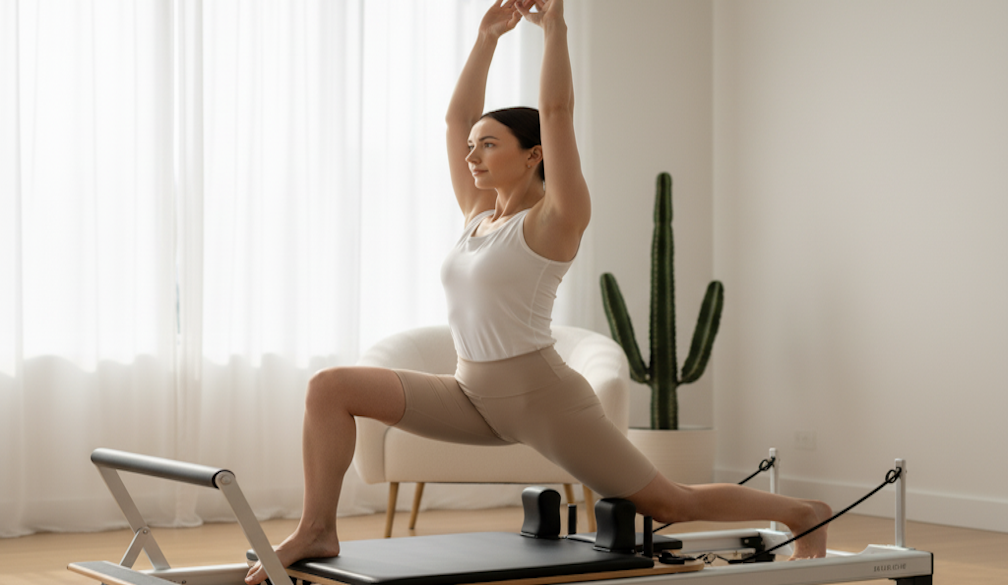
If you want movement that helps you feel stronger and more capable in everyday life, Pilates might just be the answer because it emphasises control, alignment, and usable strength. If you are curious about specific routines, check out this practical guide to pilates reformer exercises that shows variations for different experience levels.
This article will show you how small, intentional work pays off across posture, balance, mood, and daily function so you can move more easily and hurt less.
How Pilates Builds Core Strength and Flexibility
Core strength in Pilates is about more than abdominal definition. You learn to brace and lengthen at the same time, which supports your spine while you move. Practice controlled pelvic tilts, gentle rollups, and standing antirotation holds. Those exercises teach your body how to stabilise during simple tasks such as lifting a bag or reaching for a shelf. Start with short sets you can repeat often. Over weeks, you will notice less lower back strain and more confidence when carrying items, climbing stairs, or playing with kids.
Flexibility in Pilates is functional, not just aesthetic. The goal is a usable range that makes daily movement smoother. When the hips open, bending, squatting, and walking feel easier. Gentle dynamic stretches and controlled leg circles improve joint motion without forcing extremes. Work at a steady, pain-free tempo and follow a pattern that targets tight areas more frequently. Small gains in range of motion quickly show up as less pinching, fewer tugging sensations, and more comfort when sitting, standing, or twisting during routine chores.
The Hidden Benefits of Better Posture and Joint Health
Posture is a quiet multiplier of comfort and energy. Pilates trains you to hold your ribcage and pelvis in a neutral relationship so your shoulders sit back and the neck lengthens. Try short posture checks throughout your day: inhale to grow tall, exhale to find gentle engagement in the core. Over time, minimal adjustments reduce fatigue during long work sessions and lower the odds of nagging neck and upper back pain. Standing and sitting feel less effortful when posture becomes an automatic habit rather than a forced correction.
Pilates is joint-friendly because it moves you through controlled ranges while strengthening surrounding muscles. This balanced approach protects cartilage and connective tissue by encouraging even force distribution across joints. Exercises that emphasise eccentric control and slow tempo help build tendon resilience. For joint recovery work, use progressive loading and avoid sudden jerks or heavy compressive forces. When done sensibly, Pilates becomes a long-term practice that supports mobility and reduces the risk of degenerative discomfort.
How Small Movements Create Big Functional Changes
Small, precise movements are a hallmark of Pilates. Micro adjustments—such as shifting weight slightly over one foot while holding a balance—teach your nervous system better control. Those lessons transfer into real life: you become steadier when carrying objects, stepping off curbs, or reaching into cupboards. Short, targeted sequences that focus on control will often yield faster functional gains than longer, unfocused sessions. The key is quality of movement, not length of time.
Balance work fights the subtle loss of stability that creeps up with age or inactivity. Pilates integrates single-leg stands, slow transitions, and controlled weight shifts that mirror everyday demands. Practising these skills improves reflexes and lowers fall risk. The confidence you gain is practical: walking on uneven ground, getting in and out of a shower, or lifting a child all become less anxious tasks. Keep progress simple—reduce support slowly and increase the challenge in small steps.
The Link Between Mindful Movement and Mental Clarity
Pilates asks for focused attention. That focus does more than refine form; it clears mental clutter. When your attention rests on breath, alignment, and timing, stress diminishes and concentration often improves afterwards. Short mindful sequences can be useful breaks during a busy day: a ten-minute flow that links breath to movement will calm your nervous system and reset mental energy. Over time, those pockets of clarity influence how you handle pressure and make decisions.
Progress gradually and change only one variable at a time: extra repetitions, longer holds, or a slightly reduced base of support. Log sessions so you can review what felt heavy and what felt easy. Rotate focus across weeks—one block prioritises mobility, the next emphasises strength, and another targets balance. That rotation prevents overuse and keeps the nervous system adapting. If pain arises, reduce load and revisit alignment before increasing intensity.
Practical Reformer Examples That Reinforce Everyday Movement
Reformer work adapts well to functional goals. Footwork patterns build leg strength while lying down, which is gentle on the spine. Leg circles and controlled lunges develop hip control that helps with stepping, climbing, and balancing. Working out on a reformer machine increases breath control and core endurance, which helps when you need sustained posture.
Simple tools such as small resistance bands, a stable chair, or a reformer offer scalable options. Work with resistance that challenges control rather than forcing form. If you use equipment at home, ensure it is sturdy and fits your space. Professional tools used correctly add variety and allow precise progressive steps that mirror everyday movements.
How To Fit Pilates Into A Busy Life
Consistency wins over duration. Short sessions, around three to four times a week, deliver more than sporadic long classes. Use micro sessions for mobility in the morning and a focused 20 to 30-minute routine in the evening. Mix equipment and mat work so variety keeps you engaged. Track one or two objective markers, such as the ability to hold a balance longer or reduced morning stiffness. Those small wins maintain motivation and make it easier to keep going.
Don’t rely solely on the scale or mirror. Assess real-world function: can you pick up a heavy bag without rounding your back? Do you climb stairs with less breathlessness? Is your neck less tight after a long workday? Those practical markers reveal whether Pilates is improving how you move each day. Small, consistent wins here mean your practice is having the intended effect.
Hydrate, sleep sufficiently, and break up long sitting spells during the day. Short mobility breaks and breathing exercises help cement the work you do in sessions. Those habits amplify training effects and keep your movement gains accessible when you need them.