How a Luxury Safari Company is Helping Protect Rhinos in Kruger
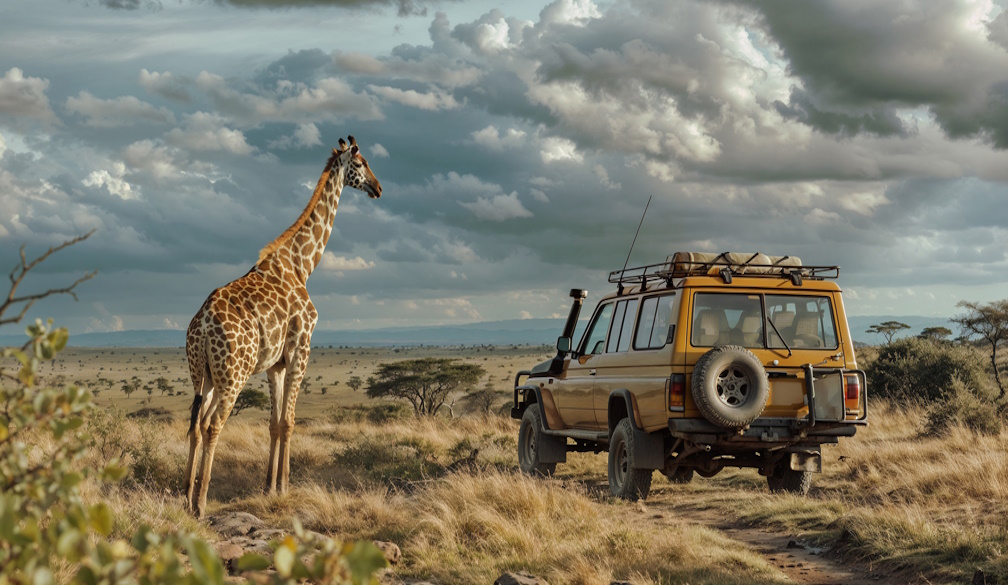
Luxury safari operator SAFARI FRANK has deepened its commitment to conservation by sponsoring a major rhino dehorning operation in South Africa’s Greater Kruger National Park. The initiative, supported with R150,000 in direct funding for the procedure and a further R150,000 for ranger and K9 unit equipment, highlights the company’s philosophy of linking safari tourism with tangible protection for endangered wildlife.
A Race Against Poaching
Rhino poaching remains one of southern Africa’s gravest conservation challenges. Despite international bans, the demand for rhino horn continues to drive organised poaching networks. According to South Africa’s Environment Minister, Dr. Dion George, 195 rhinos were poached in the first half of 2025 alone. While that represents a slight national decline, Kruger National Park remains under relentless pressure, with more than 400 rhinos killed annually since 2020.
Why Dehorning Works
Dehorning is one of the most effective short-term deterrents against poaching. The procedure involves tranquilising the rhino and safely removing the horn above the growth plate—similar to trimming a fingernail—before releasing the animal. The horn regrows at a rate of around six centimetres per year, meaning the operation must be repeated every 18 months.
“Dehorning is one of the most direct ways we can help protect rhinos in reserves like these,” said Johan Steenhuisen, CEO of SAFARI FRANK. “But it doesn’t end there. Rangers need the right equipment—GPS collars for K9 units, protective gear, and weapons—to stay safe and effective.”
For co-founder Frank Steenhuisen, the operation was a reminder of the company’s deeper mission: “As a trained guide, it’s emotional to see a rhino without its horn, but if that sacrifice means survival, it’s worth it. It reminded me why we started SAFARI FRANK—to make safaris a force for good.”
Teamwork on the Frontline
The operation itself required precise coordination. Spotters in a fixed-wing aircraft identified the rhino, before a helicopter guided it into open terrain where veterinarians could deliver a tranquiliser dart. On the ground, rangers secured the area while specialists carried out the procedure.
“It’s a delicate process where timing is everything,” said Gerry McDonald of Big Game Heli Services, who piloted the helicopter. “Wind, terrain and animal movement all come into play. You get one chance to ensure it’s done safely.”
Wildlife veterinarian Dr. Ben Muller, who has led hundreds of such procedures, explained the science: “White rhinos are extremely sensitive to immobilisation drugs, so we use precise micro-doses. From darting to recovery, the animal is monitored constantly. The horn removal is painless, and within 20 minutes the rhino is back on its feet.”
Each operation also includes vital conservation steps such as DNA sampling, microchipping, and ear notching for identification.
Conservation Partnerships in Action
For reserve managers, dehorning has become an essential strategy. “By removing the horn, we drastically reduce the incentive for poachers,” said Francois Retief, Conservation Manager. “But these operations are expensive. Without partners like SAFARI FRANK, many reserves simply couldn’t sustain the effort.”
The Southern African Wildlife College (SAWC), a long-standing partner, helped coordinate the effort. Earlier this year, the SAWC oversaw the dehorning of 382 rhinos across Greater Kruger in just two months.
“We’re fighting for our wildlife—one rhino at a time,” said Theresa Sowry, CEO of the SAWC. “This scale of work is only possible when tourism and conservation join forces.”
Travel with a Purpose
For SAFARI FRANK, initiatives like this go hand in hand with its safari offering. Every guest booking includes a conservation levy, channelled directly into projects such as rhino protection, ranger support, and habitat restoration.
“I want travellers to know that when they book with SAFARI FRANK, they are part of something bigger,” said Steenhuisen. “Without conservation, there will be no wildlife left to see. Without tourism, there won’t be funds to sustain protection. The two are inseparable.”
Veterinarian Dr. Muller agrees: “Dehorning isn’t a perfect solution, but it buys us time—time to stabilise populations, strengthen anti-poaching units, and protect future generations. And here in Greater Kruger, the results speak for themselves.”