The Hidden Truths About Homes in Japan That Change Everything
Walk into any Tokyo real estate office, and you'll encounter a reality that defies Western logic: a thirty-year-old house sells for barely more than the land beneath it. A beautiful wooden home in Kyoto, lovingly maintained, loses value each year like a depreciating car. Meanwhile, cramped apartments in aging buildings command premium prices purely because of location.
Welcome to Japan's housing market, where the rules you know don't apply, and where understanding these differences reveals something profound about how an entire culture thinks about shelter, permanence, and value itself.
When New Beats Historic
Most countries treat buildings as appreciating assets. Japan treats them as consumables with expiration dates. This isn't market dysfunction—it's cultural philosophy expressed through economics. The implications reshape everything about searching for the homes Japan offers to foreign buyers.
The practice stems from multiple practical realities. Earthquakes make durability uncertain. Humid summers encourage mold in older structures. Building codes evolve frequently, rendering older homes technically obsolete. But beneath these practical concerns lies something deeper: a cultural comfort with impermanence, with cycles of renewal, with letting go.
This creates remarkable opportunities. Properties that would cost millions elsewhere become accessible to average buyers. A detached house with a garden in suburban Tokyo might sell for what a small apartment costs in comparable global cities. The catch? You're buying something society has declared past its prime, regardless of actual condition.
Working with experienced professionals helps navigate these counterintuitive valuations, connecting buyers with properties where the math actually makes sense rather than following emotion into money pits.
The Scrap-and-Build Mentality
Japanese homeowners often demolish perfectly functional houses to build anew. This seems wasteful until you understand the calculation. Renovation costs frequently exceed new construction. Older homes lack insulation, modern wiring, or earthquake reinforcement. Banks won't finance renovations the way they'll fund new builds.
More importantly, there's limited market for "renovated" properties. Buyers want new or they want to renovate themselves. Middle-ground properties struggle to find buyers at any price. Understanding this dynamic helps explain why Japanese neighborhoods contain such an architectural mix—brand new homes beside traditional structures, all coexisting without the Western preference for aesthetic continuity.
Regional Personalities and What They Reveal
Japan's geography creates distinct housing cultures that reflect different values and priorities. Choosing where to search for homes in Japan means choosing which version of Japanese life you want to experience.
Tokyo's Micro-Efficiency
Space costs everything in Tokyo. Homes reveal ingenious solutions to constraint: genkan entryways that transition cleanly between outside and inside, storage built into every possible gap, rooms serving multiple functions through the day. A Tokyo apartment teaches the difference between living large and living well.
The market here moves fast. Properties receive multiple offers within days. Buyers make decisions on minimal viewings. The pace reflects Tokyo's larger rhythm—everything optimized, everything efficient, minimal time wasted on indecision.
Kyoto's Preservation Paradox
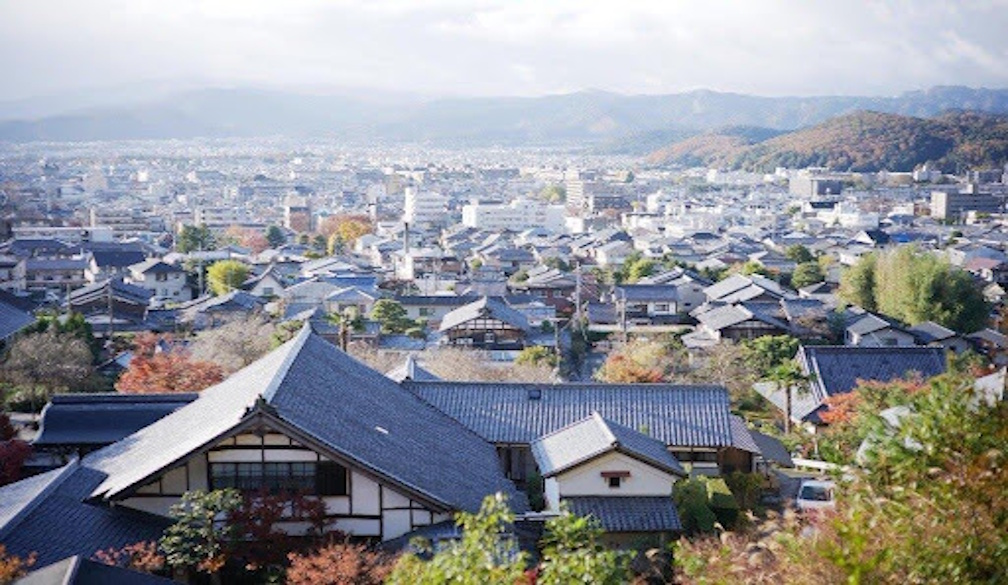
Kyoto maintains strict architectural regulations protecting historic character. This creates challenges for homeowners wanting to modernize but gold for those seeking authenticity. Machiya townhouses—long, narrow wooden structures built for merchant families—line Kyoto's older neighborhoods.
These homes embody different living principles than modern construction. Rooms flow into each other rather than being rigidly divided. Gardens become extensions of interior space. Materials age visibly, acquiring patina rather than looking deteriorated. Maintaining a machiya means accepting that perfection isn't the goal—character is.
Hokkaido's Space Abundance
Japan's northern island offers what Tokyo can't: room. Larger lots, bigger houses, lower prices. The tradeoff comes in climate—serious winters requiring real heating systems, something many Japanese homes traditionally lacked.
Hokkaido attracts those prioritizing nature access and outdoor recreation over urban convenience. The housing reflects this: more Western-influenced designs, better insulation, garages actually sized for vehicles. It's Japan, but with notably different priorities expressed through architecture.
Regional Cities and Balanced Living
Osaka, Fukuoka, Nagoya, and Sendai offer middle paths between Tokyo's intensity and rural remoteness. These cities maintain vibrant economies and cultural scenes while providing more reasonable housing costs and less brutal commutes.
Each has distinct personality. Osaka's homes reflect its mercantile, practical culture—less pretension than Tokyo, more focus on value. Fukuoka's proximity to Asia and milder climate influences design choices. These regional differences matter more than many foreign buyers initially recognize.
The Apartment Versus House Decision
Japanese urban living favors apartments for practical reasons that reshape the house-versus-apartment calculation familiar elsewhere.
Mansions (the Japanese term for condominiums) dominate urban housing. These range from compact studio apartments to spacious family units. Modern mansion buildings include earthquake resistance, security systems, and management that handles maintenance. Many urban Japanese happily live their entire lives in apartments without feeling they've compromised.
Detached houses (戸建て/kodate) offer different benefits: no shared walls, outdoor space, parking, freedom to renovate. They also mean personal responsibility for all maintenance, higher utilities, and typically longer commutes.
The cultural attitude differs from countries where home ownership specifically means a house with land. Japanese society doesn't view apartment living as inferior or temporary. This mindset shift liberates decisions from social pressure and allows focus on what actually serves your lifestyle.
The Akiya Situation and Rural Reality
Japan faces a housing surplus from population decline and urban migration. Over eight million homes sit abandoned—akiya. Local governments desperate to reverse depopulation offer these properties for minimal cost or free, sometimes with renovation subsidies.
This sounds like opportunity until you examine closely. Rural Japanese homes weren't built for comfort by modern standards. Single-pane windows, minimal insulation, drafty construction, and septic systems rather than sewer connections. Renovation costs often exceed the property's resulting value.
More challenging is isolation. Rural areas lack the international schools, medical facilities, and cultural amenities that foreign residents often need. Public transportation exists minimally or not at all. Daily life requires Japanese language fluency and integration into tight-knit communities where newcomers stand out.
Some foreign buyers successfully navigate these challenges, but they're typically those with strong Japanese skills, remote work flexibility, and realistic expectations about rural life. The romantic vision of a traditional farmhouse must survive the reality of getting that structure livable and maintaining it long-term.
What Foreign Buyers Actually Need to Know
The process of acquiring homes in Japan involves specific requirements that catch unprepared buyers off guard. Those ready to move forward should review a comprehensive guide to buying properties that covers everything from documentation to settlement procedures.
Banks typically require 30-40% down payments from foreign buyers, higher than the 10-20% Japanese nationals provide. Some lenders won't finance foreigners at all.
Language barriers complicate everything. Contracts are in Japanese. Real estate agents primarily speak Japanese. Technical terms don't translate cleanly. Property inspections differ from Western practices. Missing these details can mean expensive surprises after purchase.
Successful foreign buyers typically work with bilingual real estate professionals who understand both systems. They spend time in potential neighborhoods, talking to residents, experiencing commute times, and checking nearby amenities. They research property tax rates, community association fees, and renovation restrictions before committing.
The legal framework allows foreign property ownership with few restrictions. Foreigners have the same rights as Japanese citizens for most residential properties. Certain locations near military bases impose restrictions, but these are exceptions.
Beyond Purchase Price
Hidden costs reshape the ownership equation. Property taxes run lower than many Western countries, typically 1.4% of assessed value. Management fees for mansions average ¥10,000-30,000 monthly, covering shared space maintenance, security, and building upkeep.
Utilities cost more than many buyers expect, particularly in older homes lacking insulation. Winter heating in traditional wooden houses can exceed summer air conditioning costs. Properties with gardens require maintenance or payment for gardening services.
Earthquake insurance remains optional but recommended. Coverage costs vary by location and building age. Newer buildings designed to current seismic codes qualify for better rates.
Making the Choice That Fits
The homes in Japan that work for foreign buyers aren't always the ones that initially attract attention. The machiya that looks charming might become a maintenance nightmare. The modern mansion lacking character might prove the most comfortable long-term choice. The remote mountain property offering peace might eventually feel isolating.
Successful buyers approach the search recognizing that Japanese housing logic differs fundamentally from what they know. They treat learning the market as part of the experience rather than an obstacle. They accept that some Western housing expectations don't translate—basements, central heating, spacious closets—and embrace what Japanese homes offer instead: innovative space use, earthquake resistance, integration with nature, and community connection.
The search itself teaches valuable lessons about Japanese culture, values, and daily life. How people talk about homes reveals what they prioritize. Where housing costs concentrate shows what society truly values. Architectural choices reflect philosophical differences about permanence, privacy, and our relationship with the built environment.
Homes in Japan offer more than shelter—they provide entry points into understanding a complex culture from the inside. The question becomes not whether you can find property that meets checklist requirements, but whether you're ready for what living in that property will teach you about different ways of organizing life, space, and community.