You Can Design Your Smile Before Treatment Starts
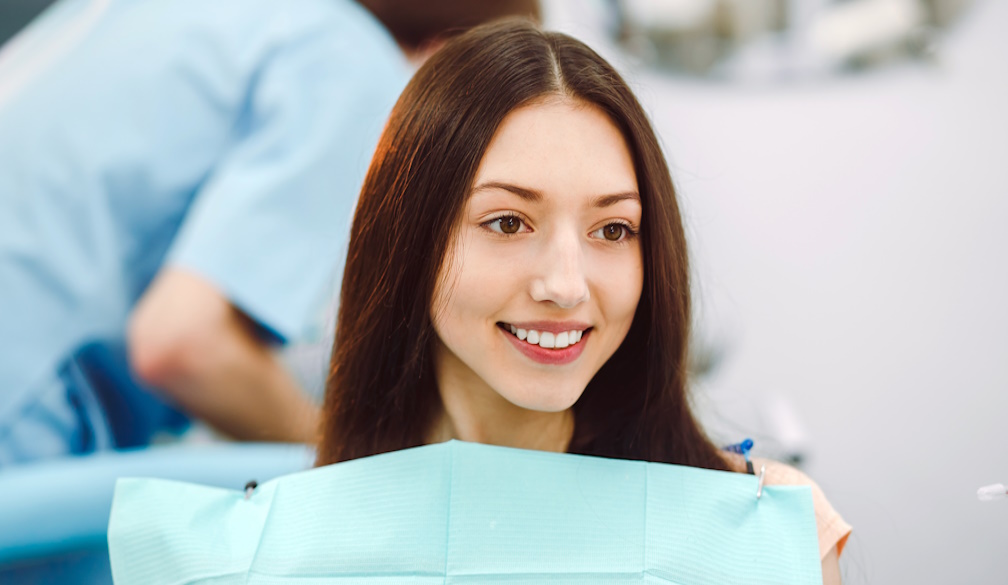
Most people don't realise it, but you can now see a realistic preview of your new smile before any treatment begins. No guesswork, no verbal descriptions, just a clear, digital picture of what your dentist is planning, built together before anything is touched.
That's what Digital Smile Design (DSD) is changing for anyone searching for a cosmetic dentist Sydney patients can actually trust.
DSD has quietly become one of the biggest shifts in cosmetic dentistry over the last decade. It moves the process from "trust me, it'll look great" to something far more transparent, where you're involved in the planning from day one.
In this article, we'll break down exactly how DSD works, what it means for your experience as a patient, and the questions you should be asking before you commit to any cosmetic dental treatment.
What Is Digital Smile Design?
Digital Smile Design isn't just one piece of software or technology. Think of it more as a structured process; one that uses dental photography, video analysis, and imaging tools to plan your treatment with a level of detail that wasn't possible even ten years ago.
It usually starts with a set of photos and short videos of your face, lips, and teeth. Your dentist then loads these into specialised software to look at things like facial proportions, tooth size, and how your smile fits your overall face. From there, they can build a digital mock-up of what your new smile could look like. Tailored to your face, not a generic template.
The part most patients find surprising? In a lot of practices, that digital design can be turned into a physical trial smile, a temporary mock-up that sits over your real teeth so you can actually see and feel the difference before any permanent work is done.
Why Is This a Significant Shift for Patients?
1. Greater Transparency in Treatment Planning
One of the biggest things DSD changes is transparency. Before any treatment begins, you can actually see what's being proposed, and more importantly, you can respond to it.
Don't love the tooth shape? Say so. Want something slightly different? That conversation happens at the design stage, not after the work is done. It's a back-and-forth process, which is a significant shift from simply being told what the outcome will look like and hoping for the best.
2. Reduced Risk of Miscommunication
One of the most common sources of dissatisfaction in cosmetic dental treatment is a mismatch between patient expectations and the final result. This is rarely the result of poor clinical work, it more often comes down to a gap in communication. Words like "natural-looking" or "slightly whiter" mean different things to different people.
Digital visualisation tools may help bridge that gap by creating a shared reference point early in the process. Rather than describing what a patient wants, both parties can look at the same image together and discuss specifics; tooth length, shade, gum symmetry, and so on.
3. More Informed Consent
There's also a practical benefit when it comes to understanding your treatment. When you can see what's being planned rather than just hearing it described. It's easier to ask the right questions, understand what's involved, and feel genuinely confident before you say yes to anything.
That said, a digital preview is a planning tool, not a guarantee. What you see on screen is a design goal, and final results will always depend on your individual circumstances and the specific treatment involved. Your dentist should walk you through what's realistic for your situation specifically.
The Bottom Line
Digital Smile Design represents a meaningful evolution in how cosmetic dental treatment is planned, communicated, and experienced by patients. By introducing a shared visual language into the consultation process, it can help close the gap between what patients hope to achieve and what clinicians are planning to deliver.
That said, it is a planning tool, not a promise. The quality of the final result will always depend on the skill of the clinician, the health of the patient's teeth and gums, and the specific treatments involved. No technology can replace a thorough clinical examination and an honest conversation about what is and is not achievable in your particular case.
If you're considering cosmetic dentistry, the first step is finding a cosmetic dentist Sydney patients trust to have that honest, detailed conversation before any treatment begins, ideally with a practitioner who takes the time to understand your goals and explains your options clearly. Digital tools, where available, can make that conversation richer. But the conversation itself is what matters most.