What Makes Dental Implants So Reliable?
Losing a tooth whether through injury, decay, or gum disease can affect far more than your smile. It can change the way you eat, the way you speak, and the way you feel about yourself. For many people exploring tooth replacement options, dental implants have emerged as a long-term solution worth understanding in depth. But what is it, exactly, that makes implants stand out from other options like dentures or bridges?
The short answer lies in how they work at a biological level. Unlike removable appliances or surface-level restorations, a dental implant integrates directly with your jawbone in a process called osseointegration. The result, for many patients, is a restoration that looks, feels, and functions much like a natural tooth. In this article, we explore the key factors that contribute to the long-term reliability of dental implants, and what to look for when choosing a dental implants clinic Sydney patients trust for long-term care.
1. The Science of Osseointegration
The concept of osseointegration was first described by Swedish orthopaedic surgeon Per-Ingvar Brånemark in the 1960s and remains the foundation of modern implant dentistry. In simple terms, it refers to the process by which living bone grows around and bonds directly to the implant surface.
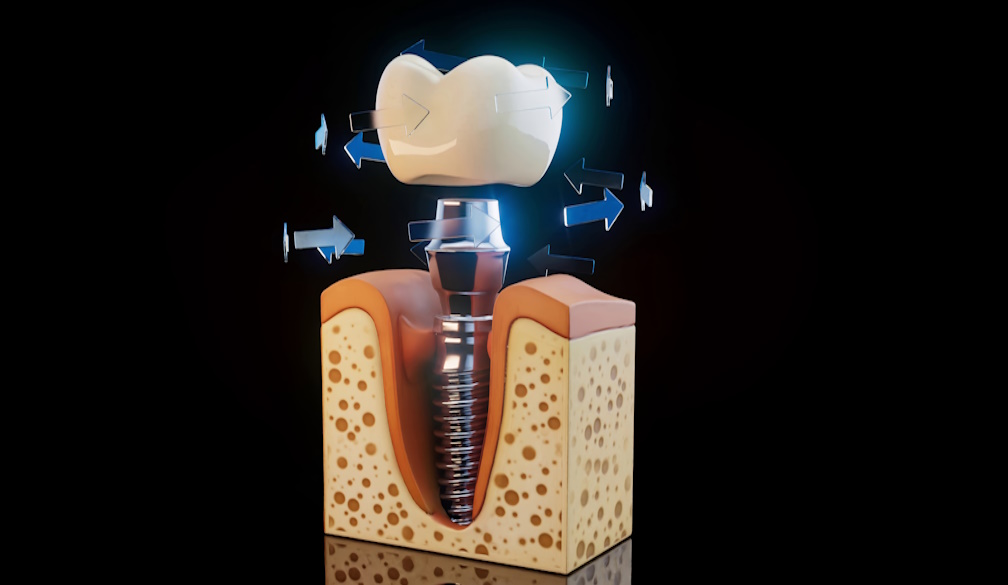
Dental implants are typically made from titanium or zirconia materials the body generally tolerates well. Over the weeks and months following placement, the surrounding bone fuses to the implant. This is what sets implants apart from other tooth replacement options: they don't sit on top of the gum or lean on neighbouring teeth. They become a fixed part of your jaw.
Research suggests that osseointegration rates can be high when implants are placed in healthy, well-prepared sites though how well the process goes will vary from person to person, depending on factors like bone density, overall health, and the clinical approach taken.
2. Materials and Biomechanical Design
Not all implants are created equal. The materials science behind modern implant systems has advanced considerably, and the design of the implant fixture, the abutment, and the crown each plays a role in long-term performance.
Titanium and Zirconia Implants
Titanium has been the go-to material in implant dentistry for over five decades, and for good reason it's well-tolerated by the body, resistant to corrosion, and strong enough to handle the demands of daily chewing. Zirconia is a newer alternative that suits patients with metal sensitivities or those who prefer a tooth-coloured option in more visible areas, though its long-term track record is still building compared to titanium.
Surface Treatments and Thread Design
The surface of an implant isn't as smooth as it looks. At a microscopic level, implants are treated through processes like acid-etching, sandblasting, or laser modification to create a textured surface that bone cells can grip onto more effectively. This can support a stronger, faster bond during the healing phase. The threading along the implant body also plays a role, helping to spread the forces of biting and chewing evenly through the jawbone over time.
3. Preserving the Jawbone: A Benefit Often Overlooked
One of the less-discussed aspects of dental implants is their potential role in bone preservation. When a natural tooth is lost, the jawbone beneath it can begin to resorb a process of gradual bone loss that alters facial structure over time. Traditional dentures sit on top of the gum tissue and do not address this underlying issue.
Because an implant is embedded in the bone and functions biomechanically like a natural tooth root, it may help stimulate the bone and slow resorption. This is a clinically relevant consideration that a dental professional can assess in the context of each patient's unique bone volume, anatomy, and long-term treatment goals.
For those exploring their options in Sydney's CBD and surrounding suburbs, visiting a dedicated dental implants clinic in Sydney for a thorough clinical assessment is a sound first step.
4. Factors That Influence Long-Term Outcomes
It would be misleading to suggest that any dental treatment carries a guaranteed outcome. The long-term performance of an implant is influenced by a range of clinical and patient-specific factors, including:
-
Bone density and volume at the implant site at the time of placement
-
The patient's systemic health, including whether conditions such as diabetes or osteoporosis are well managed
-
Smoking status tobacco use is associated in the literature with higher implant failure rates
-
Oral hygiene practices and regular professional maintenance
-
The experience and clinical training of the treating practitioner
-
The quality and design of the implant system used
A thorough clinical workup including 3D imaging (CBCT scanning), periodontal health assessment, and a detailed medical history helps a treating dentist identify potential risk factors before placement. In cases where bone volume is insufficient, procedures such as bone grafting or sinus lifting may be discussed as preparatory steps.
5. What a Smile Makeover May Involve
For patients who have experienced multiple tooth losses or who are looking to address several dental concerns simultaneously a smile makeover in Sydney may incorporate implants as one component of a broader treatment plan. This could include implant-retained crowns or bridges, porcelain veneers on existing teeth, gum contouring, or orthodontic treatment depending on the individual's presentation.
The term "smile makeover" is not a single procedure; it describes a coordinated approach to dental rehabilitation that is planned specifically around the patient's anatomy, aesthetic goals, and functional needs. Patients considering treatments such as dental implants Alliston are generally advised to seek a comprehensive consultation to understand which procedures may be appropriate, in what sequence, and at what cost.
Teams offering implant dentistry in Sydney typically work across both surgical and restorative phases, which can support continuity of care throughout a treatment journey.
The Takeaway
Dental implants have earned their reputation as a durable tooth replacement option through decades of clinical research, evolving materials science, and a sound understanding of bone biology. Their reliability, where it exists, comes not from any single feature but from the cumulative effect of good surgical planning, appropriate patient selection, quality components, and diligent aftercare.
If you are considering a dental implant in Sydney or exploring your options after tooth loss, the most important first step is a detailed consultation with a qualified dental professional who can assess your individual circumstances. No two cases are alike, and what works well for one patient may not be appropriate for another.
Ready to explore your options? Visit Dental Implants on Miller to learn more about dental implant options at their Sydney practice, or call to arrange a consultation with their clinical team.