The Hidden Engineering Powering the Modern Australian Off-Grid Lifestyle
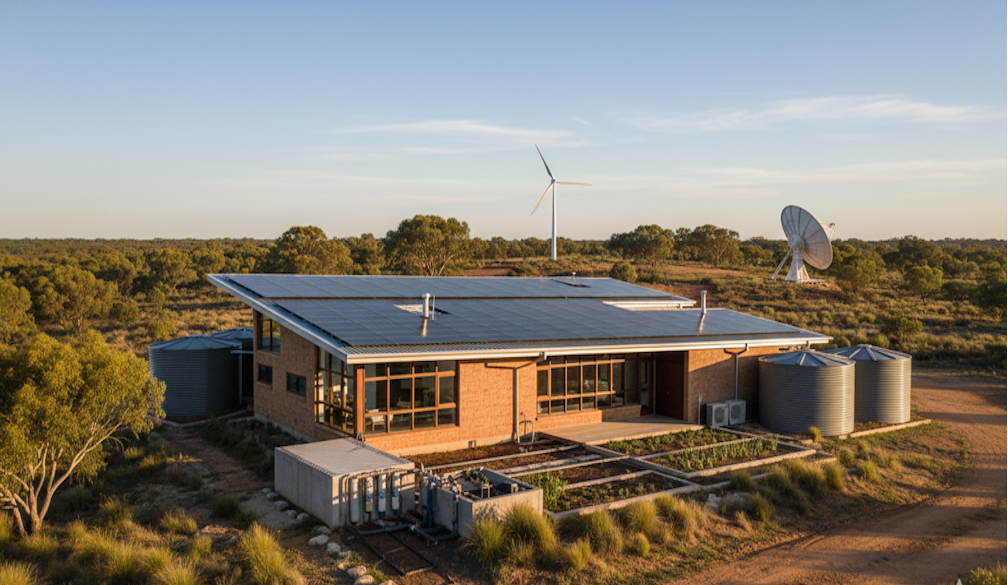
Australia has always been a nation of explorers. Today, however, the traditional outback road trip has evolved into a highly technical endeavour. Modern travellers are swapping out basic camping gear for sophisticated, self-sustaining mobile homes capable of operating completely off the grid for weeks at a time. As families and adventurers look for ways of coping with volatile diesel prices, many are investing heavily in highly reliable, self-sustaining off-grid electrical setups powered by solar energy to make rugged outback touring more economical. But powering an entire household of appliances from a four-wheel drive or caravan requires far more than just a few extra batteries. The demand for domestic comforts on the road has fundamentally changed how vehicles are engineered and wired.
The Complex Demands of Outback Electrical Systems
The shift towards remote living brings a heavy reliance on high-capacity lithium battery banks, complex solar inverters, and sensitive communication equipment like satellite internet receivers. People now expect to run induction cooktops, air conditioning units, and espresso machines entirely from their vehicles. These networks of power and data must operate flawlessly in some of the most unforgiving environments on earth. Standard consumer-grade electronics are simply not designed to withstand the constant punishment of endless corrugated dirt roads and extreme temperature fluctuations.
To keep these sophisticated wiring systems secure from physical damage and signal interference, engineers rely on industrial-grade components. A critical part of this infrastructure involves the use of Backshells to provide essential strain relief and electromagnetic shielding. By protecting delicate connector joints from relentless vibration and keeping out intrusive dust, these robust hardware elements ensure that the high-powered electrical grids powering mobile fridges, satellite communications, and water pumps do not fail when travellers are hundreds of kilometres from the nearest mechanic.
Why Consumer-Grade Wiring Fails in Extreme Conditions
When a vehicle transitions from a weekend cruiser to a fully independent off-grid power station, the electrical load increases exponentially. Running high-draw domestic appliances alongside sensitive GPS navigation and communication tools creates a highly volatile electrical environment. Upgrading to heavy-duty engineering solutions is absolutely necessary to combat several distinct environmental and mechanical challenges:
- Continuous Vibration: Thousands of kilometres travelled over rutted dirt tracks create intense mechanical stress on standard wiring looms, eventually leading to metal fatigue, loose connections, and catastrophic system failure.
- Extreme Temperatures: The Australian outback can easily see ambient temperatures soar above forty degrees Celsius. Inside a closed vehicle body or engine bay, these temperatures can melt cheap plastic casings and degrade standard electrical insulation.
- Electromagnetic Interference (EMI): Packing heavy power cables directly next to delicate sensor wires creates signal degradation. Shielding is strictly required to prevent high-voltage lines from disrupting critical vehicle diagnostics and modern communication arrays.
- Dust and Moisture Ingress: Ultra-fine bulldust and sudden, deep river crossings can ruin unprotected circuits in a matter of seconds, causing dangerous electrical shorting.
Addressing these harsh factors requires a fundamental shift in how custom touring vehicles are designed and built. Specialised manufacturers and custom builders must look far beyond standard off-the-shelf caravan components. Instead, they borrow heavily from aerospace, mining, and military engineering standards to guarantee absolute reliability in the bush.
Compliance and Safety on Australian Roads
Modifying a vehicle with extensive auxiliary power systems is not merely an engineering challenge. It is also a strict regulatory matter that impacts national road safety. The integration of complex, high-voltage networks into a four-wheel drive or motorhome must never compromise the fundamental mechanics and safety systems of the vehicle itself. A faulty electrical addition can pose serious fire risks or interfere with factory safety mechanisms.
Any modifications or additional electrical systems fitted to a vehicle must comply with the comprehensive safety and design frameworks mandated across the country. To ensure that sophisticated off-grid electronics do not compromise core vehicle safety or violate the strict Australian Design Rules, engineers must utilise compliant, heavy-duty electrical fittings. These national standards guarantee that any integrated components perform securely without interfering with original vehicle systems like electronic stability control, modern braking sensors, or crucial engine management computers. Failing to meet these standards not only risks voiding insurance policies but fundamentally endangers the occupants.
The modern Australian off-grid lifestyle offers unparalleled freedom, but it rests entirely on a foundation of unseen, highly specialised engineering. From the heavy-duty connectors hidden behind interior panelling to the advanced power management systems humming quietly under the seats, every component plays a vital role. By treating a touring vehicle as a complex, industrial-grade micro-grid rather than a simple weekend camper, Australians can explore the most remote corners of the continent with complete confidence, safety, and modern comfort.