Easing Digestive Discomfort with Herbal Tea for Bloating
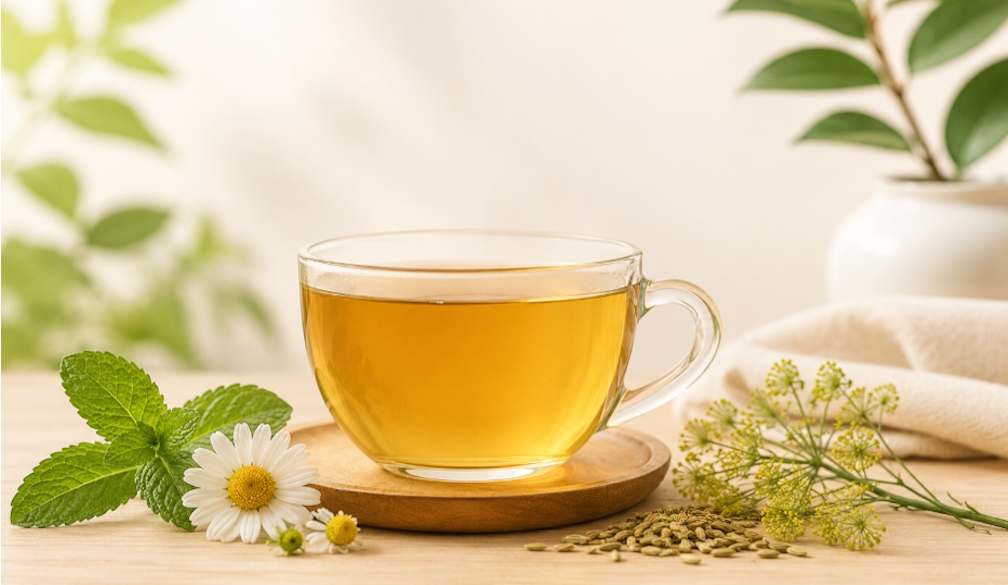
Bloating can turn an otherwise normal day into something uncomfortable. That tight, heavy feeling in your stomach can appear after meals or linger longer than expected, making it difficult to feel at ease.
For some people, it becomes predictable—something that shows up regularly rather than occasionally.
Because of this, many look for simple ways to support digestion without adding more strain to the body. Herbal tea is one of those options that fits easily into daily life, offering a gentle and steady approach.
Instead of masking discomfort, herbal tea for bloating may help your body process food more comfortably over time, supporting a lighter and more balanced digestive experience.
Why Bloating Happens More Often Than Expected
Bloating usually develops when digestion slows down or when gas builds up in the digestive system.
This can be influenced by everyday habits such as eating too quickly, consuming certain foods, or eating while distracted. When food isn’t broken down efficiently, it can lead to that feeling of pressure or fullness.
Stress can also play a role. When your body is tense, digestion may not function as smoothly, which can increase the likelihood of bloating after meals.
Over time, these patterns can make bloating feel like a normal part of eating.
Supporting digestion consistently can help reduce how often this happens. This is where habits like herbal tea for bloating can become useful, especially when used alongside approaches similar to those reflected in herbal tea for bloating.
Signs Your Digestion Feels Off
Bloating can show up in different ways depending on your body and routine:
- A tight or swollen feeling in the stomach
- Fullness that appears quickly after eating
- Gas or pressure building in the digestive system
- Noticeable movement or discomfort in the abdomen
- Sensitivity to certain foods
- A heavy or sluggish feeling after meals
These signs often suggest your digestive system could benefit from more consistent support.
How Herbal Tea Helps Reduce Bloating
Herbal tea works by supporting digestion in a gentle and natural way.
Many herbs traditionally used for bloating are known for helping relax the digestive tract. This allows gas to move more easily and reduces the tight, uncomfortable feeling often associated with bloating.
The warmth of tea also supports the digestive process. Warm liquids can encourage smoother movement within the digestive system, helping your body process food more efficiently.
Equally important is the routine itself. Taking a moment to slow down and drink tea creates a pause, allowing your body to focus on digestion rather than rushing through it.
This is why herbal tea for bloating tends to work best when used regularly, rather than only when discomfort appears.
Herbs Commonly Used for Bloating Support
Certain herbs are widely used to support digestive comfort and ease bloating.
Peppermint
Peppermint is often used to relax the digestive system and help reduce gas buildup, making it one of the most common herbs for bloating.
Fennel
Fennel is traditionally used to ease pressure and support smoother digestion, particularly after meals.
Ginger
Ginger is known for helping stimulate digestion and reduce that heavy feeling that can follow eating.
Chamomile
Chamomile supports both relaxation and digestive comfort, making it useful when bloating is linked to stress.
Caraway
Caraway is traditionally used to reduce gas and support a more comfortable digestive process.
Choosing Herbal Blends That Support Digestion
Herbal blends can simplify the process by combining several supportive herbs into one option.
Blends designed for digestion often focus on easing discomfort while supporting the natural movement of the digestive system. This can make it easier to maintain consistency without needing to choose individual herbs.
Some people prefer blends they can use after meals, while others look for options that support digestion throughout the day. Over time, experimenting with different combinations can help you find what works best.
This kind of exploration often connects with broader digestive herbal practices, such as those reflected in digestive herbal practices, where traditional approaches to gut support are shared.
How to Use Herbal Tea Around Meals
Timing can make a difference when using herbal tea for bloating.
Drinking tea after meals can help your body process food more efficiently, reducing the likelihood of gas buildup. This is especially helpful after heavier meals.
Some people also find it useful to drink tea before eating, helping prepare the digestive system for the meal ahead.
Taking time to sip slowly allows your body to stay relaxed while digesting. Rushing through meals or drinks can make bloating more likely, so slowing down is an important part of the process.
Over time, this creates a rhythm that supports more comfortable digestion.
Everyday Habits That Help Reduce Bloating
Herbal tea works best when combined with simple, supportive habits.
Eating slowly and chewing food thoroughly helps your body break down meals more efficiently. Avoiding distractions while eating can also improve digestion.
Staying hydrated supports movement in the digestive system, while light activity—like walking after meals—can help reduce pressure and discomfort.
Managing stress is another key factor. Since digestion and the nervous system are closely connected, reducing tension can make a noticeable difference in how your body processes food.
Small adjustments like these, when done consistently, can help reduce bloating over time.
When to Look Deeper Into Digestive Symptoms
While bloating is common, it’s important to pay attention if it becomes frequent or more intense.
If discomfort persists, worsens, or is accompanied by other symptoms, seeking professional advice can help you better understand what’s happening.
This is especially important if you have existing conditions, are taking medications, or are pregnant or breastfeeding. A qualified practitioner can help guide you toward a safe and suitable approach.