Essential Strategies for Protecting Car Passengers from Australian UV Rays
Australians are well-educated on the importance of sun safety when visiting the beach or spending time outdoors. We are taught from a young age to wear hats, apply sunscreen, and seek shade during the hottest parts of the day. However, an often overlooked area of sun exposure occurs right inside our vehicles. Many drivers assume that being inside a car provides complete protection from the harsh sun, but the reality is quite different. Australia consistently records some of the highest UV index levels in the world. Even on cloudy days or during the cooler winter months, the sun emits enough ultraviolet radiation to cause significant skin damage. When this intense sunlight is magnified through standard vehicle glass, the interior of a car can quickly become a hazardous environment. Recognising this hidden danger is the first step toward safeguarding your family on the road.
The Hidden Vulnerability in Modern Vehicles
When researching a new vehicle purchase, modern consumers dive deep into the latest automotive technology. We want to understand the intricate details of electric vehicles, including hybrid efficiency and where our batteries come from, to make an informed choice. Yet, amid all the focus on touchscreen displays, battery range, and advanced driver assistance systems, many buyers completely overlook a much simpler necessity. Adequate sun protection for rear seat passengers rarely makes the initial checklist, even though it is a crucial factor for daily comfort and long-term health.
According to the Australian Radiation Protection and Nuclear Safety Agency, the glass used in vehicles does not offer uniform protection. While front windscreens are made of laminated glass that blocks over 98 percent of UV rays, the standard tempered glass used in side windows provides quite low UV protection. This leaves children and other passengers sitting in the back seat highly exposed during long drives. Without additional measures, harmful rays can easily penetrate the side windows and cause cumulative skin damage over time.
Effective Ways to Block Cabin UV Exposure
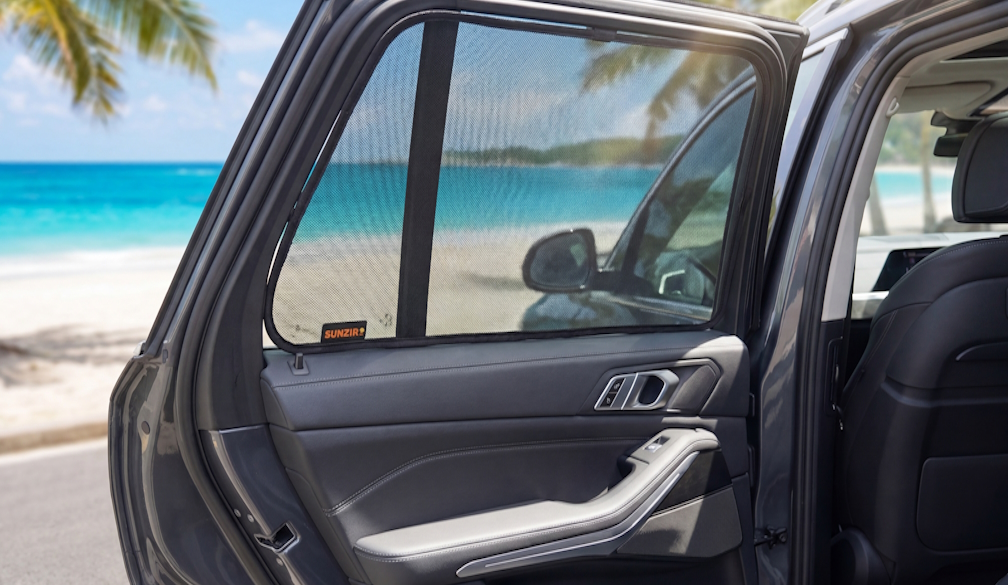
Addressing this lack of built-in protection requires drivers to look beyond the factory specifications of their vehicles. One of the most practical solutions is to install physical barriers that block sunlight before it reaches the passengers. For parents wanting reliable, UPF-rated sun protection for their children in the back seat, investing in custom car shades is a smart choice. These tailored accessories fit the exact dimensions of individual vehicle windows, ensuring there are no gaps for harsh sunlight to slip through.
Unlike generic window socks that can flap in the wind, degrade rapidly in the sun, or suction cup blinds that frequently fall off, a tailored solution remains securely in place. This provides a consistent shield against glaring heat and UV rays, while still allowing passengers to roll down the windows for fresh air. Creating a darker, cooler environment in the rear seats not only protects delicate skin but also helps young children sleep more comfortably during extended family journeys. It also reduces the strain on the car air conditioning system, helping to cool the cabin more efficiently on sweltering summer afternoons.
Essential Habits for Sun-Safe Motoring
Physical barriers on your windows are highly effective, but comprehensive sun safety requires a combination of good habits. Whether you are navigating the daily school run or embarking on a massive interstate holiday, there are several simple strategies to keep everyone safe and comfortable.
- Apply sunscreen before you drive: Because side windows allow UV radiation to pass through, anyone sitting next to a window should wear broad-spectrum sunscreen. Apply it at least 20 minutes before setting off, paying special attention to the arms, neck, and face.
- Keep protective clothing handy: Keep a lightweight, long-sleeved shirt and a pair of UV-blocking sunglasses in the car. These items provide an extra layer of defence for both the driver and passengers during peak UV hours.
- Plan your travel times: If you have the flexibility, try to schedule your longest driving stints for the early morning or late afternoon. Avoiding the midday sun significantly reduces both UV exposure and the strain on your vehicle.
- Be mindful of directional sun: Remember that the angle of the sun changes throughout the journey. A passenger who is in the shade at the start of the trip might be in direct sunlight an hour later, so regular checks are necessary, especially for sleeping infants.
- Stay hydrated: The magnifying effect of car windows can cause cabin temperatures to rise quickly. Always pack insulated water bottles for every person in the vehicle to prevent dehydration on hot summer days.
Protecting your family from the intense Australian sun requires a proactive and thoughtful approach, especially when spending many hours on the open road. By understanding the limitations of standard vehicle glass and taking simple steps to block harmful rays, you can ensure a safer travel environment. Upgrading your rear window protection, consistently applying high-quality sunscreen, and adopting smart driving habits will make every single journey safer and more comfortable for everyone. Ultimately, prioritising sun safety in your vehicle is just as important as packing the right beach gear for your holiday destination.