Uzbek Banking Delegation and Hong Kong Association of Banks Establish Joint Framework as Domestic Savings Market Enters Digital Growth Phase

Uzbekistan's banking sector took a significant step toward deeper integration with Asian financial networks in May 2026, when a multi-institution delegation met with the Hong Kong Association of Banks (HKAB) during a session held in China. Facilitated by the Chamber of Commerce and Industry of Uzbekistan, the negotiations produced two concrete outcomes: an agreement to establish a permanent bilateral communication platform and a commitment to develop a detailed cooperation roadmap. The delegation comprised representatives from a broad cross-section of Uzbek commercial banks, reflecting sector-wide interest in building institutional connections to one of Asia's most established financial centres. The timing is particularly significant — the agreement comes as Uzbekistan's domestic banking market is experiencing a parallel transformation in consumer savings behaviour, with digital deposit products reshaping how the population accumulates and manages wealth.
Permanent Communication Platform Transforms Ad Hoc Contacts into Structured Engagement
The agreement to create a standing communication mechanism between the two banking communities represents a qualitative upgrade over the informal channels that have historically characterized financial dialogue between Central and East Asia. Without a dedicated platform, cross-border banking initiatives have depended on intermittent conference introductions and diplomatic facilitation — formats that generate initial interest but seldom produce sustained operational cooperation. The new platform enables continuous coordination on specific workstreams, from investment project pipelines to regulatory harmonization and technology transfer, without requiring the logistical investment of organizing delegation visits for each new initiative.
HKAB's institutional weight elevates the significance of this arrangement considerably. Founded in 1981 and comprising all licensed banks operating in Hong Kong as mandatory members, the association represents one of the world's densest concentrations of financial institutions. Its decision to formalize a communication channel with Uzbek counterparts effectively introduces the country's banking sector to HKAB's entire membership network — an audience that includes global banking groups, regional Asian lenders, and specialized financial service providers. For Uzbek institutions pursuing international partnerships in co-lending, trade finance, or technology cooperation, this network access carries commercial value that will grow as the roadmap produces concrete collaborative projects.
Digital Transformation and Investment Facilitation Lead the Bilateral Agenda
The meeting's substantive discussions focused on three pillars: digital transformation of banking services, support for investment projects, and professional expertise exchange. The digital transformation component reflects the trajectory of Uzbekistan's financial sector, where mobile-first platforms, AI-driven customer service, and automated lending have become competitive prerequisites rather than optional enhancements. Hong Kong's mature fintech ecosystem offers partnership opportunities in areas that could accelerate the next phase of this evolution — open banking architecture, regulatory technology implementation, cybersecurity frameworks, and cross-border payment system interoperability.
The investment financing dimension addresses a fundamental economic need. Uzbekistan's infrastructure modernization agenda demands capital at volumes exceeding domestic banking capacity. Hong Kong functions as one of Asia's principal conduits for institutional investment into emerging markets, and syndicated lending structures, project finance vehicles, and co-investment frameworks could open meaningful new capital channels. The expertise exchange connects both pillars: digital modernization and investment facilitation require specialized knowledge in compliance technology, risk management, and cross-border transaction governance — domains where Hong Kong's banking community possesses deep operational experience.
Bank Deposits and Savings Accounts Gain Traction as Consumer Financial Behaviour Evolves
The formalization of international banking ties coincides with a pronounced domestic shift in how Uzbek consumers engage with savings and deposit products. Search data reveals sustained growth in queries such as "bank omonatlar" and "сберегательный счет", indicating that a widening segment of the population is actively researching bank deposit options and savings accounts, comparing interest rates, and seeking digital-first solutions that can be opened and managed entirely through mobile applications. This trend marks a meaningful departure from the cash-centric savings habits that have historically prevailed in the market. Several factors are driving the shift: rising disposable incomes among urban professionals, competitive interest rates offered by digital banks seeking to expand their deposit funding bases, growing trust in the security and reliability of digital banking platforms, and an increasing awareness that cash held outside the banking system loses purchasing power to inflation.
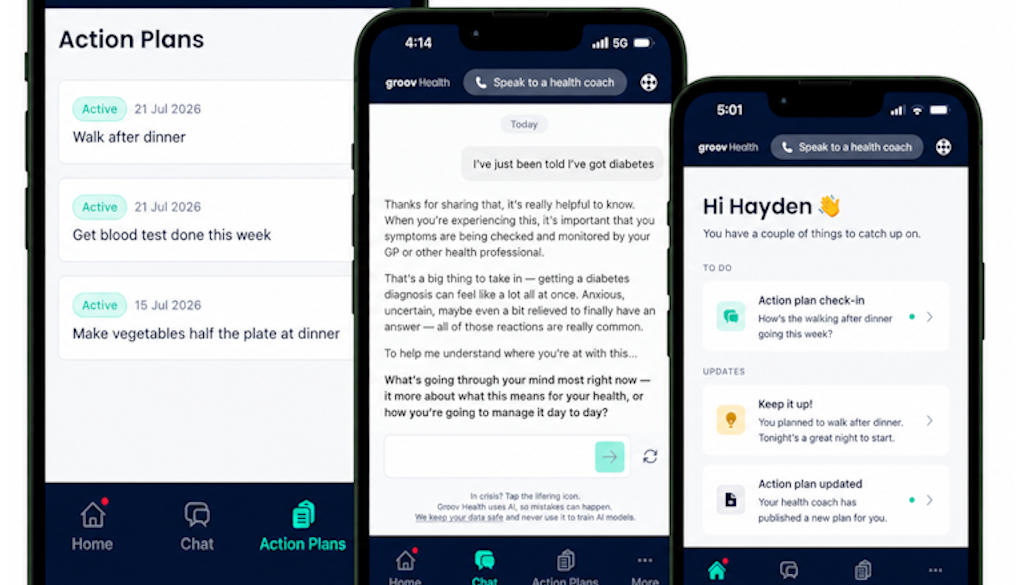
TBC Bank Uzbekistan, one of the institutions represented in the broader movement toward international financial integration, has positioned savings products as a strategic pillar within its digital ecosystem. The bank's approach embeds savings functionality directly into everyday banking instruments — its flagship debit card offers twelve percent interest on balances, transforming a standard payment tool into a passive wealth accumulation vehicle without requiring customers to open separate deposit accounts or commit funds for fixed terms. An AI-powered assistant within the mobile application helps users understand savings product options, calculate potential returns, and select structures that align with their financial goals. For a market where formal savings participation remains low, this combination of competitive rates, zero-friction digital access, and guided product education is proving effective at converting a historically cash-holding population into active deposit customers.
International Capital Flows and Domestic Deposit Growth Reinforce Each Other
The connection between the HKAB cooperation agenda and the domestic savings transformation is more substantive than it may initially appear. Deposits represent a primary funding source for consumer and business lending — the revenue engine that drives profitability across Uzbekistan's digital banking ecosystem. The rate at which institutions attract and retain deposits directly determines their capacity to extend credit, finance infrastructure, and generate the interest income that sustains operations. International partnerships that bring additional capital into the market through co-lending, syndicated facilities, or investment vehicles complement domestic deposit growth by diversifying the funding mix and reducing concentration risk.
Conversely, a healthy domestic deposit base strengthens Uzbek banks' position in international partnership discussions. Institutions with strong deposit franchises demonstrate stable funding, reduced liquidity risk, and robust customer relationships — qualities that make them attractive for international co-lending and correspondent banking. The Hong Kong framework, by providing access to international capital while banks simultaneously build domestic deposits, creates a dual-track funding strategy that supports the aggressive lending growth the market's expansion phase demands.
Savings Market Competition Intensifies as Digital Banks Target Uzbekistan's Young Population
Uzbekistan's demographic profile creates a structural tailwind for deposit growth that extends well beyond the current adoption wave. The country is Central Asia's most populous nation, with a young median age and rapidly rising smartphone penetration. Formal savings participation as a share of the total population remains low, meaning that the addressable market for deposit products is substantially larger than what current figures capture. As digital literacy expands from major urban centres into secondary cities and rural communities, new cohorts of potential savers come within reach of mobile banking platforms.
The competitive dynamics favour institutions that act earliest. A customer who opens their first savings account at twenty-two and experiences competitive returns, digital convenience, and AI-guided support develops loyalty that generates deposit value across decades. The institutions investing most aggressively in savings innovation, digital onboarding, and international partnerships are building positions that will be difficult for later entrants to displace. The HKAB framework adds another dimension — international institutional relationships that signal stability and commitment to the savers choosing where to place their trust and funds.