Exploring Coastal Beauty Through Sustainable Ecotourism
The Framework of Ecotourism in Sydney
Sydney is renowned for its breathtaking harbour and dynamic urban landscape. Yet, beneath this iconic beauty lies a crucial opportunity for mindful exploration. We are witnessing a significant shift towards sustainable tourism, particularly within this vibrant Australian city. This approach allows us to appreciate Sydney's natural and cultural heritage without compromising its future. It ensures that generations to come can also experience its unparalleled charm.
In this comprehensive guide, we will delve into the essence of sustainable tourism in Sydney. We'll examine the certifications that define eco-friendly practices, highlight local initiatives, and uncover how the city is protecting its precious environments. For instance, experiencing the serene waterways through Sydney ecotourism kayak tours offers a direct connection to nature. We will also equip visitors with practical advice for traveling responsibly. From identifying certified businesses to engaging with local communities, we aim to illuminate how every traveler can contribute to a more sustainable Sydney.
Sydney, as a global city, is at the forefront of integrating sustainability into its tourism sector. This commitment is not merely aspirational; it is underpinned by robust frameworks, partnerships, and clear definitions that guide both policy-makers and businesses. Our collective goal is to ensure that Sydney remains a vibrant, thriving destination for all, long into the future.
Defining Ecotourism in the Urban Context
At its core, sustainable tourism, as defined by UN Tourism, is about taking "full account of its current and future economic, social and environmental impacts, addressing the needs of visitors, the industry, the environment, and host communities." In a bustling urban environment like Sydney, this definition translates into several key principles:
- Environmental Resources: Making optimal use of natural resources, which are a key element in tourism development, while maintaining essential ecological processes and helping to conserve natural heritage and biodiversity. This includes protecting iconic areas like Sydney Harbour from pollution and over-development.
- Socio-cultural Authenticity: Respecting the socio-cultural authenticity of host communities, conserving their built and living cultural heritage and traditional values, and contributing to inter-cultural understanding and tolerance. This is particularly vital in a city rich with Indigenous history.
- Economic Viability: Ensuring viable, long-term economic operations, providing socio-economic benefits to all stakeholders that are fairly distributed, including stable employment and income-earning opportunities and social services to host communities, and contributing to poverty alleviation.
Sydney's approach to sustainable tourism is comprehensive, aiming for long-term operations that benefit everyone. The city's dedication to these principles is evident in its strategic planning, such as the Sustainable Sydney 2030–2050 vision, which outlines ambitious targets for environmental performance and resource efficiency across all sectors, including tourism. Further resources and guidance for businesses looking to embrace these practices can be found through platforms like Destination NSW's sustainable tourism resources.
The Role of Ecotourism Australia in 2026
A cornerstone of sustainable tourism in Australia is Ecotourism Australia, an organisation established in 1991 that provides internationally recognised certification programs. For businesses, these certifications are not just badges; they represent a rigorous commitment to environmental stewardship, cultural respect, and economic sustainability.
Ecotourism Australia's ECO Certification program, for instance, is the world's first national ecotourism certification program. It involves meeting over 200 criteria across environmental stewardship, socio-economic impact, cultural responsibility, and sustainable management. This extensive framework ensures that certified businesses operate with minimal impact, provide environmental learning opportunities, and contribute positively to their communities. Businesses like Sydney by Kayak, which have achieved Ecotourism Australia certification, demonstrate their commitment to sustainable practices, as detailed in their eco journey story.
In 2022, Ecotourism Australia launched its Sustainable Tourism Certification specifically for non-nature-based businesses, acknowledging that sustainability extends beyond natural landscapes to urban hotels, attractions, and tour operators. This certification ensures that even businesses in the heart of the city adhere to high sustainability standards. W Sydney, for example, became the first W Hotels property in Australia to achieve this certification, demonstrating a "whole-of-hotel" approach to sustainability, as highlighted by Ecotourism Australia.
Auditing is a critical component of these programs, ensuring transparency and authenticity of sustainability claims. Ecotourism Australia is also part of the Tourism Sustainability Certifications Alliance (TSCA), whose members are responsible for certifying more than 19,000 travel and tourism enterprises, organisations, and destinations across the globe, reinforcing global standards. We are proud to be part of a network that includes some 2500 accommodation, tours, and attractions certified by Ecotourism Australia.
The City of Sydney also plays a pivotal role through initiatives like the Sustainable Destination Partnership. Established in June 2018, this partnership brings together major hotels, hostels, and venues with a shared commitment to reducing their environmental footprint. Since its inception, members of the Sustainable Destination Partnership have collectively reduced their emissions by an impressive 31% and water consumption by 21% by May 2026. This collaborative effort aligns with Sydney's ambitious target to achieve net zero emissions by 2035. More information on their work can be found on the City of Sydney's sustainable destination partnership page and the Sustainable Destination Partnership website.
Sydney's commitment to sustainability has also earned it international recognition. In the 2025 Global Destination Sustainability Index, Sydney was ranked 25th out of more than 100 cities globally, a testament to its ongoing efforts in environmental, social, and strategic performance.
Environmental Stewardship in Sydney Harbour
Sydney Harbour, a natural wonder and the ancestral land and sea of the Gadigal people of the Eora Nation, faces unique environmental challenges due to its status as one of the world’s busiest harbours and Australia's most densely populated coastline. Protecting this pristine environment is paramount for sustainable tourism.
Addressing Pollution and Waste Management
One of the biggest ecological issues facing the harbour is rubbish from the high numbers of commercial and pleasure craft, exacerbated by winds and drains. Accommodation and entertainment venues alone create 37% of Sydney’s commercial waste, 20% of its carbon emissions, and consume 19% of its drinking water. This highlights the urgent need for comprehensive waste management strategies.
Local businesses and initiatives are actively combating this. For instance, Sydney Harbour Boat Tours, Sydney’s first boat tour operator recognised with Eco-Tourism certification by Ecotourism Australia, actively encourages guests to pick up three pieces of rubbish per tour, removing hundreds of kilos of debris each year. This practical, hands-on approach directly involves visitors in protecting the marine environment, safeguarding marine wildlife from plastic bottles, bags, broken glass, and boat debris. Our own initiatives, as detailed in our pledge for community and conservation, also focus on similar principles, ensuring our operations contribute positively to the harbour's health.
Beyond individual efforts, the city is embracing the circular economy and promoting plastic-free initiatives. The NSW Government, for example, banned single-use plastic straws, stirrers, and cutlery starting November 1, 2022, a significant step towards waste reduction. Programs like 'Take 3 for the Sea' encourage everyone to collect three pieces of litter whenever they visit a beach or waterway.
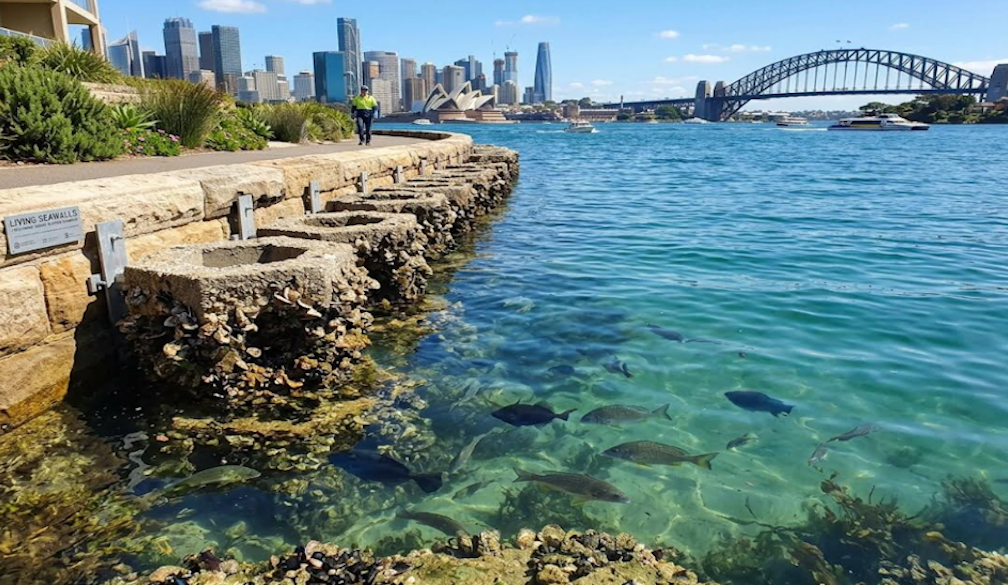
Marine conservation efforts extend to restoring biodiversity. Beneath the Sydney Opera House, an artificial reef is thriving, supporting the endangered White’s seahorse. Living seawalls have been installed at sites like the Fairy Bower Rock Pool, and efforts are underway to plant seagrass meadows and kelp forests, all contributing to the return of diverse marine life.
Water and Energy Innovation in Tourism
Reducing water and energy consumption is another critical aspect of environmental stewardship. Sydney's tourism sector is implementing innovative solutions to minimise its footprint.
Hotels like W Sydney are leading the way with infrastructure designed for efficiency. This luxury hotel features a 100,000-litre rainwater harvesting system that supports cooling and air-conditioning, significantly reducing reliance on potable water. They also provide complimentary electric vehicle (EV) charging stations for guests, aligning with the NSW Electric Vehicle Strategy and its $490 million funding.
Other certified sustainable businesses, such as the Wildlife Retreat at Taronga, showcase advanced resource management. The retreat uses WELS water-efficient fittings and an on-site water treatment plant to provide recycled water for toilet flushing and irrigation. Their construction utilises cross-laminated timber (CLT), which has a lower environmental footprint than concrete and steel and provides superior thermal performance, reducing the need for artificial heating and cooling. Rooftop-mounted solar photovoltaic (PV) systems generate clean electricity, and LED lighting is used throughout, as detailed on the Taronga Conservation Society Australia sustainability page.
The Sustainable Destination Partnership's members, including many accommodation providers, are actively working to improve energy and water efficiency, reduce waste, electrify buildings, and increase renewable energy uptake. These efforts are crucial, especially given that the tourism sector consumes 19% of Sydney's drinking water. We are seeing a concerted push towards net zero emissions and a reduction in potable water use by 10% by 2030, and diverting 90% of waste from landfill by 2030, as part of the broader Sustainable Sydney 2030-2050 goals.
Indigenous Culture and Community Impact
Sydney's rich history is deeply intertwined with the world's oldest living cultures. The traditional lands of the Gadigal people of the Eora Nation, and the Cammeraygal people further north, form the foundation of this vibrant city. Integrating Indigenous cultures and communities into Sydney's sustainable tourism initiatives is not just about respect; it's about enriching the visitor experience and ensuring cultural preservation.
Supporting the Local Economy
Sustainable tourism actively seeks to provide socio-economic benefits to local communities, ensuring that the economic gains from tourism are distributed fairly. This includes supporting local businesses, promoting ethical shopping, and creating employment opportunities.
Choosing Aboriginal-owned and led experiences offers visitors a unique opportunity to connect with the land, its history, and its people. Initiatives like the Gai-mariagal Festival, for example, provide platforms for Indigenous storytelling and cultural exchange. When purchasing Indigenous art, visitors are encouraged to look for adherence to the Indigenous Art Code, ensuring that the piece benefits the artist and community directly. This supports ethical shopping and prevents cultural appropriation.
Many sustainable tourism operators prioritise local procurement, sourcing seasonal produce from regional and regenerative farms. This not only reduces the carbon footprint associated with food transport but also supports local farmers and contributes to the local economy. For instance, some restaurants in Sydney partner with composting start-ups to turn waste into soil, creating a circular economy model.
Our own commitment to local communities is strong. Through initiatives like our SBK Funded Projects and partnerships with local cafes, we ensure that our operations have a positive ripple effect, contributing to the economic vitality of the areas we operate in. We believe that supporting small, local businesses creates more meaningful memories than generic souvenirs, making your tourist dollar count.
Sustainable Infrastructure and Innovation
The physical infrastructure of a city plays a critical role in its sustainability. Sydney is making significant strides in green building standards and innovative solutions to reduce the environmental impact of its tourism sector.
Green Building Standards in 2026
Sydney's commitment to green building is evident in its adoption of various standards and programs. Recognised ratings like NABERS for Hotels, EarthCheck, and Green Star Performance provide benchmarks for energy, water, and waste efficiency. These certifications help businesses understand their environmental impact, identify opportunities for improvement, and boost performance.
For example, the Wildlife Retreat at Taronga, designed with environmental sustainability at its forefront, showcases how luxury accommodation can be eco-friendly. It utilises cross-laminated timber (CLT) in its construction, a pre-fabricated solid engineered wood that offers higher thermal performance and a lower environmental footprint compared to traditional steel and concrete. This focus on sustainable materials is a key trend in green building.
Feature Traditional Building Materials (e.g., Concrete, Steel) Sustainable Building Materials (e.g., Cross-Laminated Timber) Carbon Footprint High (energy-intensive production) Lower (sequesters carbon, less energy for production) Thermal Performance Moderate High (natural insulation, reduces heating/cooling needs) Construction Time Longer (on-site fabrication) Shorter (pre-fabricated, faster assembly) Waste Generation Higher Lower (pre-cut, less on-site waste) The City of Sydney also offers programs like Environmental Upgrade Agreements (EUAs) to help building owners fund energy efficiency retrofits. The BASIX index ensures that new and renovated buildings are designed using specific water and energy targets, further driving sustainable construction. The City of Sydney has been carbon-neutral since 2007, with its business district operating on 100% renewable energy for the past three years, aiming for net zero emissions by 2035. This ambition extends to waste management, with targets to divert 90% of waste from landfill by 2030 and reduce potable water use by 10% by 2030.
Beyond buildings, the expansion of EV charging infrastructure is crucial. The NSW Electric Vehicle Strategy, backed by $490 million in funding, includes $20 million allocated for EV Destination Charging Grants, making it easier for visitors and businesses to choose electric transport.
Practical Guide for the Conscious Traveler
As visitors, we hold significant power to shape the future of tourism in Sydney. By making informed choices and adopting sustainable practices, we can contribute positively to the city's environment, culture, and economy.
Low-Impact Exploration and Transport
Choosing eco-friendly modes of transport is a fundamental step. Sydney boasts an excellent public transport network, including ferries that offer stunning views of the harbour while reducing your carbon footprint. Using the ferry system to access national parks like North Head Sanctuary is a fantastic way to combine sightseeing with sustainable travel.
For those keen on active exploration, Sydney is developing its cycling infrastructure with 30 'strategic cycling corridors'. While still evolving, cycling offers a low-impact way to see the city. Human-powered activities like kayaking provide an unparalleled connection to Sydney's waterways. Our own guided kayak tours allow you to explore hidden coves and observe marine life with minimal disturbance, as highlighted in our Eco Hub. We even offer corporate eco tours for businesses looking to blend team-building with environmental awareness.
Walking is, of course, the ultimate low-impact activity. Sydney offers numerous walking trails, including sections of the Great Coastal Walk, which allow you to immerse yourself in the natural beauty of the coastline. Even within the city, apps like Sydney Culture Walks provide guided tours, encouraging exploration on foot.
When planning trips to regional areas like the Blue Mountains, which recently achieved eco-certification, opting for train travel over private cars significantly reduces emissions. For small group tours, choosing operators that use 15-person vans instead of larger coaches can also lessen the environmental burden.
Waste Reduction for Visitors
Minimising waste is another crucial area where visitors can make a big difference.
- Say No to Single-Use Plastics: Carry a reusable water bottle and coffee cup. Many cafes in Sydney, particularly in areas like Bondi, participate in 'mug libraries' where you can borrow a ceramic mug instead of using a disposable takeaway cup. Look for water refill stations throughout the city.
- Embrace the Circular Economy: Support businesses that champion waste reduction. Some cafes partner with composting initiatives, turning coffee grounds into soil.
- Conscious Dining: Choose restaurants that source locally and seasonally, and consider 'nose-to-tail' dining to reduce food waste.
- 'Leave No Trace' Principles: When exploring natural areas, adhere to the 7 'Leave No Trace' principles, which guide responsible outdoor ethics. This includes disposing of waste properly, respecting wildlife, and leaving what you find.
- Participate in Citizen Science: Engage in programs like 'Take 3 for the Sea', collecting three pieces of litter whenever you visit a beach or waterway. Some tour operators, like Sydney Harbour Boat Tours, even integrate this into their guest experiences.
For a comprehensive guide on how to travel responsibly, check out Australia.com's "8 ways to be a conscious traveller".
Frequently Asked Questions about Ecotourism in Sydney
We often receive questions from visitors eager to ensure their trip to Sydney aligns with sustainable principles. Here, we address some of the most common inquiries.
What major certifications should I look for in Sydney tourism businesses?
To confidently choose sustainable options, look for businesses that have achieved recognised certifications. The most prominent in Australia include:
- Ecotourism Australia (ECO Certification and Sustainable Tourism Certification): This is a robust program that verifies a business's commitment to environmental, cultural, and socio-economic sustainability. You can find businesses with their 'Advanced Ecotourism' or 'Sustainable Tourism' badges. W Sydney and the Wildlife Retreat at Taronga are prime examples of certified businesses.
- NABERS for Hotels: This rating system measures the energy and water efficiency of hotels, providing a clear benchmark for performance.
- EarthCheck: An internationally recognised scientific benchmarking and certification program for the travel and tourism industry.
- Green Star Performance: Developed by the Green Building Council of Australia, this rates the operational performance of buildings, including hotels and venues.
- B Corp Certification: While broader than tourism, B Corp certified businesses meet high standards of verified social and environmental performance, transparency, and accountability. Many suppliers to sustainable hotels are B Corp certified.
- Climate Active: This Australian government-backed initiative certifies businesses that have achieved carbon neutrality.
These certifications provide assurance that a business is genuinely committed to reducing its environmental impact and contributing positively to the community. You can find more about our own awards and accreditations and our journey to becoming champions of change in sustainable tourism.
How does Sydney rank globally in destination sustainability in 2026?
Sydney's dedication to sustainability has earned it a strong position on the global stage. In the 2025 Global Destination Sustainability Index (GDSI), Sydney was ranked 25th out of more than 100 cities globally. This ranking reflects the city's comprehensive efforts across environmental performance, social equity, and strategic planning for a sustainable future. The GDSI assesses destinations based on various criteria, including destination management, supplier performance, and social performance. This achievement underscores Sydney's commitment to becoming a leading sustainable destination, a goal articulated in its Sustainable Sydney 2030-2050 plan.
How can visitors measure and offset their carbon footprint while in Sydney?
For environmentally conscious travelers, understanding and mitigating your carbon footprint is a key step.
- Carbon Calculators: Several online carbon calculators can help you estimate the emissions associated with your travel, accommodation, and activities.
- Airline Offset Programs: Many airlines offer the option to offset the carbon emissions of your flights. These fees typically invest in projects like reforestation, fire abatement, or renewable energy initiatives.
- Choosing Low-Carbon Transport: Opting for public transport, walking, cycling, or human-powered activities like kayaking significantly reduces your footprint while exploring Sydney.
- Supporting Certified Businesses: By choosing hotels, tours, and attractions that are Climate Active certified or have strong emissions reduction targets, you indirectly contribute to offsetting efforts.
- Renewable Energy Investment: Some local initiatives allow visitors to contribute to renewable energy projects within the city, further supporting Sydney's goal of achieving net zero emissions by 2035.
While in Sydney, our gold medal winning experiences, as recognised by the NSW Tourism Awards, offer a fantastic way to enjoy the harbour with a minimal environmental impact.
Conclusion
Sydney's journey towards sustainable tourism is a testament to its commitment to preserving its natural beauty, rich cultural heritage, and vibrant communities for generations to come. From the collaborative efforts of the Sustainable Destination Partnership to the rigorous standards set by Ecotourism Australia, the city is actively working to reduce its environmental footprint and enhance its social impact.
As visitors, we have a unique opportunity to be part of this positive change. By choosing eco-certified businesses, supporting local Indigenous communities, embracing low-impact travel, and adopting waste-reduction habits, we contribute directly to Sydney's future. The collective impact of conscious travelers and dedicated businesses will be instrumental in achieving Sydney's ambitious goals, including net zero emissions by 2035.
Let us explore Sydney's coastal beauty with respect and responsibility, ensuring that its unparalleled charm endures. We invite you to join us in this journey, to experience the magic of Sydney while leaving a positive legacy. Plan your paddle and discover sustainable adventures in Sydney today!
Plan Your Paddle