Top Outdoor Playground Equipment Ideas to Transform Your Play Space
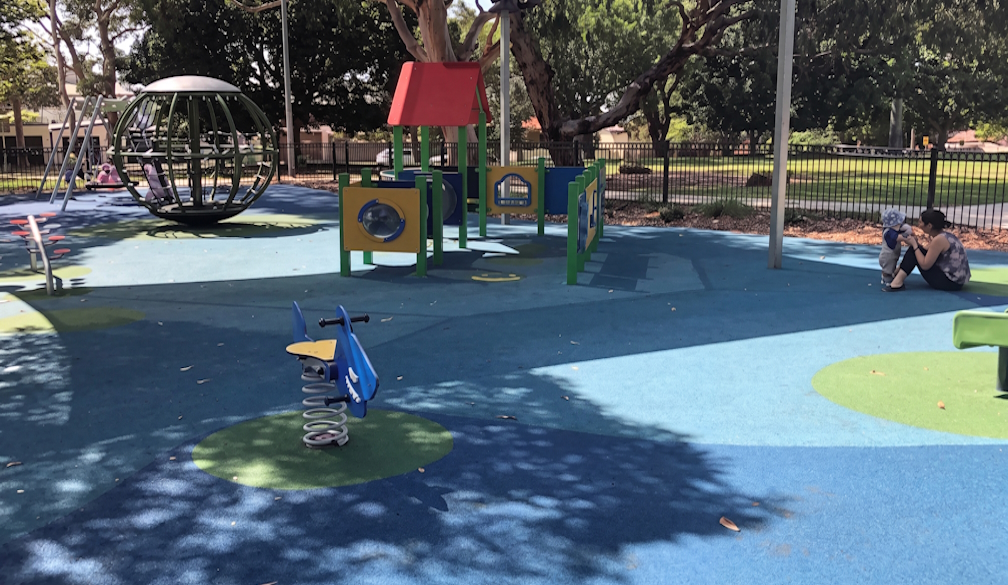
Exploring innovative outdoor playground equipment can significantly enhance the aesthetic and functionality of public and private play spaces. These play areas promote physical activity, stimulate creativity, and offer diverse opportunities for social interaction among children, making equipment selection a crucial aspect of playground planning.
The Importance of Versatile Play Structures
Modern playgrounds require equipment that can cater to different age groups, interests, and abilities. Versatile play structures offer opportunities for unique play experiences by combining various activities, such as climbing, sliding, and balancing. Inclusive designs with ramps and adaptive swings ensure accessibility for all children, making play spaces welcoming and engaging.
Sustainable Materials and Eco-Friendly Designs
As environmental concerns become increasingly important, opting for playground equipment made from sustainable materials is crucial. Recycled metals, plastics, and sustainably sourced wood are popular choices that minimise ecological impact. Eco-friendly designs can also include natural elements, such as trees and water features, which integrate the playground with its surroundings.
Incorporating Technological Innovations
Technology integration in outdoor playground equipment can enhance play experiences. Interactive play panels, sensory games, and electronic features that encourage physical activity enable a blend of digital and traditional play. Such innovations can attract older children who seek more engaging play opportunities.
Safety Standards and Regular Maintenance
Ensuring the safety of play equipment is paramount in playground design. Compliance with international safety standards and regular maintenance checks are essential. Safe surfacing materials, such as rubber mats or bark chips, help prevent injuries from falls, contributing to a safer play environment.
Themed Play Areas to Stimulate Imagination
Themed playgrounds, such as those modelled after pirate ships or castles, create immersive environments that inspire imaginative play. These themed settings can nurture creativity, storytelling, and role-playing, making playtime an educational and exciting experience.
Including Natural Play Elements
Incorporating natural elements, such as sand, water, and plants, into playground design offers sensory play opportunities that conventional equipment cannot. These elements encourage exploration and interaction with nature, fostering environmental awareness and appreciation among children.
Customisable and Modular Equipment
Modular play units provide flexibility in playground design, allowing configurations to be tailored to available space and budget constraints. Customisable structures can adapt to varying needs over time, providing operators with long-term cost-effective solutions.
Engaging Climbing Structures
Climbing structures are a staple in outdoor playground equipment, offering physical challenges that promote strength, coordination, and problem-solving skills. Design options range from simple climbing walls to intricate nets and towers, appealing to a wide age range.
Balance and Sensory Play Equipment
Balance-focused equipment, like balance beams and wobble boards, enhances children's coordination and concentration skills. Sensory equipment, such as textured panels and musical elements, provides multi-sensory stimulation that benefits children with varying needs.
Adaptive Equipment for Inclusive Playgrounds
Inclusive playgrounds equipped with adaptive swings, accessible ramps, and sensory activities accommodate children with disabilities, ensuring all children can play together. These designs promote social inclusion and friendships across different abilities.
Incorporating Interactive Water Features
Water features, such as splash pads and fountains, offer a refreshing element to outdoor play spaces. These interactive features are particularly attractive during warm months and encourage children to engage with water safely and creatively.
Enhancing Play with Interactive Art
Interactive art installations within playgrounds provide an artistic focal point and contribute to cognitive development. Murals and sculptures that can be touched or climbed offer opportunities for children to engage with art in a playful manner.
Quiet Zones for Rest and Reflection
Designing areas within playgrounds where children can relax and observe encourages downtime and reflection. These quiet zones can feature benches, small gardens, or sensory huts, providing a break from active play.
Integrating Educational Panels
Educational panels with interactive elements add an educational aspect to playtime, fostering learning through play. Panels focusing on mathematics, science, or language skills complement traditional play equipment and cater to varied interests.