Stay Longer, Explore More: A Basecamp Approach to Camping in Australia
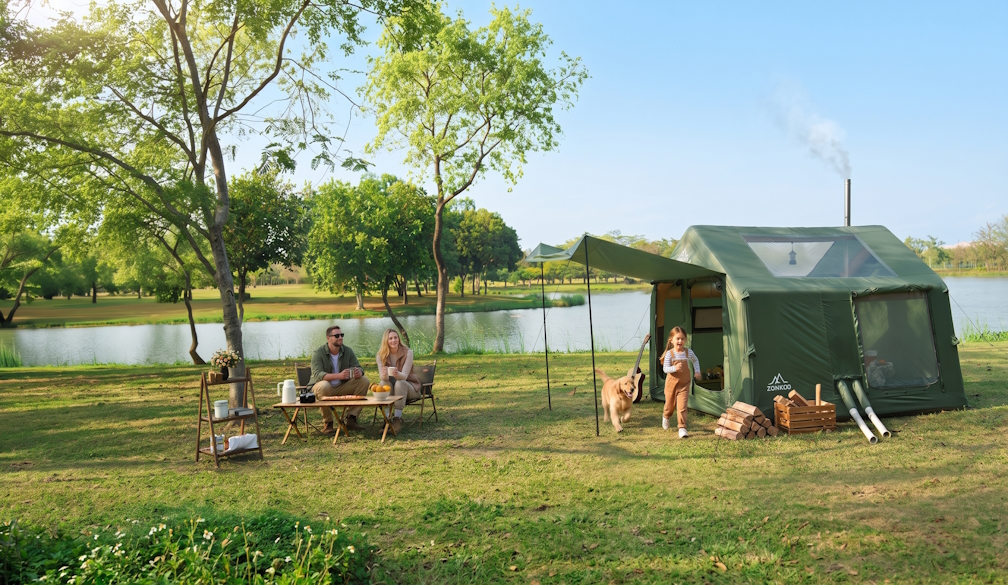
Camping does not have to mean packing up the tent, loading the car and moving on every morning. For travellers who want to hike, paddle, watch wildlife or explore nearby towns, a more relaxed approach is to choose one well-located campground, stay for two nights and use it as a base for the entire weekend.
In the morning, you leave with only what you need for the day. By evening, you return to a tent that is already set up, with the beds made and the cooking gear and chairs still in place. The focus shifts from constantly moving to exploring one area in greater depth. The pace may be slower, but more of the day is available for the outdoors.
One Campground Can Lead to Several Different Adventures
Many camping areas across Australia are surrounded by a mix of walking tracks, coastline, lakes and small towns. Instead of changing campgrounds each day, choose a convenient base and plan your activities around nearby trails and destinations within an hour’s drive.
The first day might be spent on a longer hike, followed by a visit to a lake or river the next morning. If the weather becomes unsettled, the plan can change to a short scenic walk or a local market. There is no need to complete a rigid itinerary, and less pressure to wake early simply to stay on schedule.
Base-camp travel also suits groups whose members have different interests. One person may want to hike while another would rather stay behind with a book. Some can set off at sunrise, while others start later. Everyone still shares the same weekend without having to follow the same routine from morning to night.
When Choosing a Campground, Location Matters More Than the Photos
The best campground for a weekend base does not necessarily have the most dramatic view. What matters more is whether it is practical for two nights of comfortable living. Along with confirming that tent camping is permitted, check whether the car can be parked near the site and find out about drinking water, toilets, mobile reception and the condition of surrounding roads.
The campsite itself also deserves a careful look. Level ground can prevent sleepers from sliding to one side during the night. Safe shade can make hot afternoons more comfortable, while avoiding low-lying ground reduces the risk of water collecting around the tent after sudden rain. A waterfront site may look idyllic, but damp conditions, insects and changing water levels also need to be considered.
When you arrive, resist the urge to unload everything immediately. Take a few minutes to observe the path of the sun, the likely wind direction and the way water would drain across the site. Then decide where to position the tent entrance, seating area and cooking space. You will move through these areas repeatedly over the weekend, so a minor mistake on arrival can become an ongoing inconvenience.
A Tent Should Feel Like Somewhere Worth Returning To
In a base-camp setup, the tent is more than a place to sleep. After a day on the trail, campers need somewhere to remove muddy shoes, hang damp clothing and prepare their packs for the following morning. If rain sets in, they may also spend several hours inside. For this reason, choosing between inflatable tents involves more than comparing pitching times. Standing room, ventilation and space for organising everyday gear matter just as much.
For small families or groups planning a two-night weekend, particularly where the vehicle can remain close to the site, ZONKOO Orion inflatable camping tents offer an internal height of 6 feet 11 inches, 86 square feet of unobstructed floor space and ventilation from several directions. That layout makes it easier to stand up and change, reorganise packs after returning to camp and retain usable indoor space when the weather turns.
Whatever style of tent you use, inflating the air beams or extending the poles is not the end of the setup. Pegs, guy lines and the direction of drainage still need to be adjusted to suit the site. It is also worth checking the anchor points each evening and retensioning the lines if the ground has softened or the wind has changed.
Give Every Day a Weather-Proof Alternative
Changing weather can determine which activities are suitable on any given day. Rather than planning only one ideal route, prepare a longer outing, a shorter alternative and an option that keeps you close to camp.
In stable conditions, the day might include a longer walk or time on the water. If winds increase or rain approaches, shorten the route and give greater priority to road conditions and the journey back. This flexibility is one of the strengths of having a base camp: changing the day’s plans does not mean the entire trip has failed, nor does one cancelled activity require you to pack up and leave.
An inflatable camping tent may reduce the number of poles and connections involved in pitching, but it cannot replace sound weather judgement. Before setting out, check the Bureau of Meteorology’s local forecast and warnings, along with the Fire Danger Rating, any Total Fire Ban declared by the relevant state or territory authority, and park notices covering roads, tracks and campgrounds. Equipment can make a trip easier, but safety still depends on reading the conditions and responding appropriately.
Keep the Campsite Orderly While You Are Away
Before leaving camp for the day, store food, rubbish and scented items securely. Lightweight chairs, tablecloths and drying clothes should not be left where a gust of wind could carry them away. Valuables are better kept out of an unattended tent, stoves must be completely switched off, and any fire should be dealt with according to campground rules.
Inside the tent, a few simple zones can keep everything manageable. Shoes and jackets can stay near the entrance, sleeping gear further inside, and the packs needed for the following day in one designated place. When everyone returns tired or after dark, there is no need to search through the entire tent for basic items.
A good base camp should not be crowded with equipment. When every item has a consistent place, and everyone knows which areas are used for sleeping, organising gear and eating, the campsite remains easy to live in throughout the weekend.
Move Less and See More
Changing campgrounds frequently may allow travellers to visit more places, but a base camp gives them more complete time in each one. They can walk the same stretch of lakeshore in the morning and evening, noticing how the light and wildlife change throughout the day. After completing the main route, they can also follow a local recommendation to somewhere that was never part of the original plan.
Packing away anything no longer needed on the final evening leaves only breakfast supplies, bedding and essential gear to deal with the next morning. This makes departure far less rushed. Clearing the ground, taking all rubbish and leaving the site as it was found is also a basic courtesy to the next camper.
An outdoor trip does not need constant movement to feel full. Choose the right campground, settle in for two nights and explore the surrounding area from a familiar base. The result is less time spent moving equipment and more time genuinely experiencing the landscape.