How to Vet a Security Provider Before Your Next Corporate or Public Event
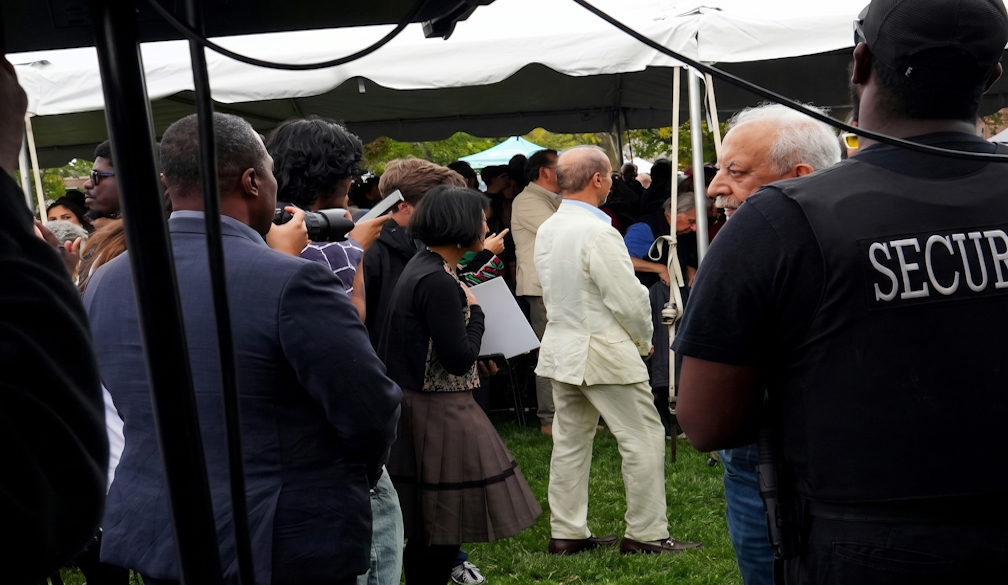
If you're organising an event of any real size, security is sitting somewhere on your checklist between catering and AV. It's tempting to treat it the same way, as a line item to fill with whoever quotes quickest and cheapest. That instinct is worth resisting, because security is the one supplier category where a bad hire carries consequences beyond a disappointing day. An unlicensed guard, an uninsured provider, or a crew out of its depth exposes you, your organisation and your guests to legal and safety risks that no refund fixes.
The good news is that vetting a security provider properly takes about an hour of asking the right questions, and the providers worth hiring make that hour easy. Most organisers simply never ask, which is why the operators cutting corners stay in business. Here's how to be the organiser who does.
Licensing Is the Floor, Not the Finish Line
Security is a licensed industry in every Australian state and territory, and this is where vetting starts. A legitimate provider holds a business or master licence issued by their state regulator, and every individual working your event must hold a current security licence for the specific work they're doing, whether that's crowd control, static guarding or both. These aren't formalities. Licensing means the person at your gate has completed mandated training in crowd management, conflict de-escalation and emergency response, and has passed the background checks the role demands.
Ask for the company's licence number and check it against the public register, which every state regulator maintains online and takes minutes to search. Ask directly whether every guard on your event will be licensed for crowd control work, and whether any part of the job will be subcontracted to another firm, because subcontracting is where licensing chains quietly break. The uncomfortable truth for organisers is that hiring unlicensed security doesn't just expose the provider. Councils, venues and insurers expect licensed personnel, and an incident involving unlicensed guards lands at least partly on the person who hired them.
Insurance and Paper Trails
The second gate is documentation, and it separates professional operators from opportunists faster than anything else. A serious provider carries public liability insurance at a level appropriate for event work, typically twenty million dollars, along with workers compensation coverage for their staff. You want certificates of currency for both, issued recently and naming the actual entity you're contracting with, not a related company or a director personally.
Reputable event security companies produce this paperwork without hesitation, usually within a day of being asked, because they're asked constantly and have it ready. Hesitation is data. So is any suggestion that insurance details can be sorted after booking, or that a certificate can't be provided because of a renewal in progress. While you're collecting documents, ask for their standard terms and read the liability clauses, since some contracts quietly shift responsibility for incidents back onto the event organiser. If anything in the paperwork feels evasive, the operational performance won't be better, because companies that cut corners on compliance rarely confine the habit to the office.
Experience That Matches Your Event
Licensing and insurance make a provider legal. Experience makes them useful, and experience in security is specific rather than general. A firm that's excellent at guarding construction sites overnight has almost none of the skills your product launch needs. Corporate functions call for discretion, presentation and guest-facing polish. Festivals and concerts demand genuine crowd management capability, the reading of density and flow that only comes from having done it. Community fairs sit somewhere in between, with families, alcohol and open sites creating their own profile.
So ask the obvious question that few organisers do. What events like mine have you worked in the past year, and can I speak to two of those clients? A provider with real event pedigree will name events, describe their role and hand over references. Listen for specifics in the answers, because thin experience hides behind generalities. Ask who would supervise your event and how long that person has run comparable jobs, since the supervisor's judgement on the day matters more than the company logo. If the answers stay vague, the experience probably is too.
How They Plan Tells You How They'll Perform
Here's the strongest predictor of on-the-day performance, and it shows up before you've paid a dollar. Watch what happens when you ask for a quote. An operator who simply asks how many guards you want and sends a price is selling you bodies. A professional asks about your event first. They want attendance numbers, the site layout, alcohol service, entry arrangements, the crowd profile, what time you close and how people leave. They may want to walk the venue before finalising anything.
That difference matters because you're not actually buying guards, you're buying a plan with people attached. A capable provider gives you a written deployment outline showing positions, rotations and a communication structure, names a supervisor as your single point of contact, and explains how incidents get reported to you during and after the event. They'll also expect to coordinate with your other moving parts, the venue, first aid, police if the scale requires it. If the planning conversation is thoughtful, the event day almost always is. If the quote arrives faster than the questions, keep looking.
Red Flags and Final Checks
Most bad hires announce themselves in advance, and price is the loudest tell. Licensed, insured, trained staff cost real money, so a quote dramatically below the others isn't a bargain, it's a question, and the answer is usually unlicensed subcontractors, understaffing, or an operator planning to win the job and cut the corners later. Treat significantly cheap the same way you'd treat significantly evasive.
The rest of the red flags are quick to spot once you're looking. No verifiable licence number. Insurance certificates that never quite arrive. No named supervisor for your event. References that can't be produced or don't check out. A contract that's vague about staff numbers, hours or responsibilities. Before you pay a deposit, confirm the details in writing, guard numbers, licence classes, supervisor name, arrival times and reporting arrangements, so the agreement reflects the conversation. An hour of this diligence is invisible when the event runs smoothly, which is exactly the outcome you're buying. The organisers who skip it are gambling that nothing goes wrong, and events have a way of testing that bet.