Dining Out Is Expensive. Buying High Quality Meat and Fish at the Supermarket Is Becoming the New Luxury
- Written by: The Times
For many Australians, dining out has quietly shifted from a weekly habit to an occasional indulgence. Restaurant prices have climbed sharply over recent years as businesses face higher wages, soaring electricity bills, increased insurance premiums, expensive commercial rents and rising wholesale food costs. What was once considered an affordable casual dinner now often leaves families staring at a bill that rivals a utility payment.
Increasingly, households are discovering that premium supermarket ingredients can deliver a restaurant-style meal at home for a fraction of the price.
Eye fillet steak selling for around $80 per kilogram at supermarkets may sound expensive at first glance. Yet many consumers are realising that even premium meat from a retailer can still cost substantially less than ordering a lesser-quality cut at a restaurant.
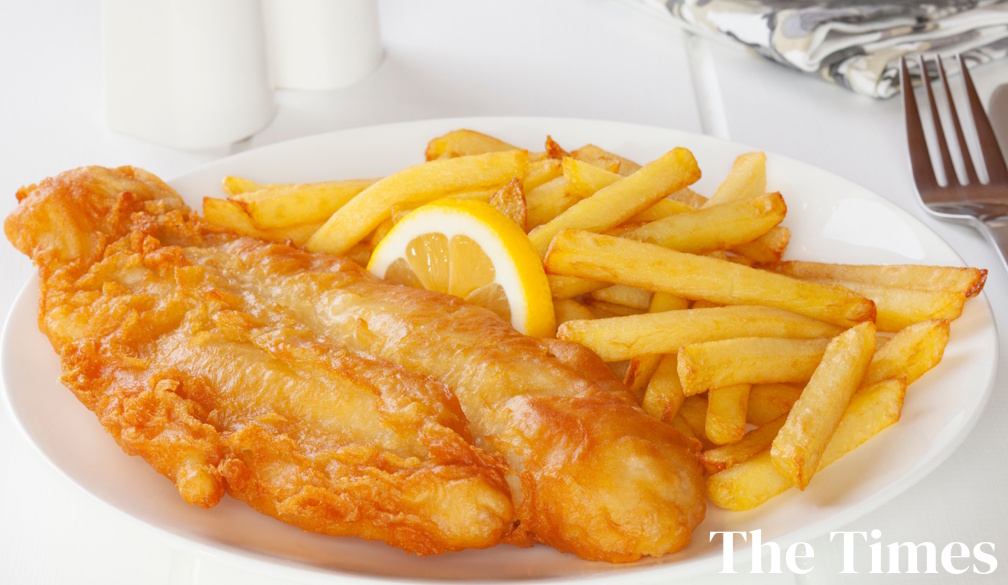
The same trend is emerging with seafood. Fish and chips, once regarded as one of Australia’s classic cheap takeaway meals, is no longer inexpensive in many parts of the country. A family order can easily exceed $60 or $70 depending on location. Meanwhile, fresh barramundi fillets from major supermarkets such as Coles or Woolworths can often provide a healthier and more affordable alternative — provided Australians are willing to cook at home.
The Restaurant Price Shock
Australians understand why restaurants have become more expensive. Hospitality businesses operate under enormous financial pressure.
Commercial kitchens are energy intensive. Refrigeration, ovens, fryers and exhaust systems consume significant electricity. Staffing costs continue to rise, particularly as restaurants compete for chefs and experienced hospitality workers. Insurance premiums have climbed, and landlords in busy dining precincts often charge rents that only high menu prices can sustain.
Even before a customer sits down, the restaurant has already incurred substantial costs.
The result is visible on menus across Australia. Steaks approaching $60 are becoming common in metropolitan areas. Seafood platters can exceed $100. Side dishes that were once included now often carry separate charges.
Many diners leave wondering whether the experience justified the cost.
Eye Fillet at Home: The Numbers Surprise People
Eye fillet remains one of Australia’s premium beef cuts. Tender, lean and highly sought after, it commands premium pricing both in butcher shops and supermarkets.
At approximately $80 per kilogram, some consumers initially dismiss it as too expensive for home cooking. But the economics change quickly when compared to restaurant pricing.
A 250-gram eye fillet steak purchased from a supermarket may cost around $20. Add vegetables, salad and perhaps a quality sauce, and an entire restaurant-style dinner for one person may total $30 or less.
At a restaurant, a lower-grade scotch fillet or sirloin meal can easily exceed that price before drinks, desserts or service charges are added.
Families are beginning to recognise that premium ingredients prepared at home can actually represent better value than average restaurant meals.
Fish and Chips Are No Longer the Cheap Option
Australians once viewed fish and chips as reliable budget comfort food. That perception is rapidly changing.
The price of cooking oil, seafood, potatoes, labour and energy has transformed takeaway seafood shops. A simple family order may now cost more than some supermarket grocery shops.
Fresh barramundi has become a compelling alternative.
Australian barramundi fillets sold through major supermarkets are often competitively priced when compared to takeaway seafood meals. Consumers also gain greater control over portion sizes, preparation methods and side dishes.
Instead of deep frying fish in reused commercial oil, households can pan-fry, oven-bake or air-fry barramundi using far less fat and salt.
The financial savings can be significant.
Australians Are Rediscovering Home Cooking
There is also a broader cultural shift underway.
During previous decades, dining out was often associated with convenience and status. Today, many Australians are rediscovering cooking as both a practical skill and a lifestyle choice.
Social media has helped normalise restaurant-quality meals prepared at home. Air fryers, induction cooktops and modern barbecues have made cooking easier for inexperienced households. Online tutorials allow people to learn steak preparation, seafood cooking and sauce techniques within minutes.
Consumers are increasingly asking themselves a simple question: if they can buy better ingredients and cook healthier meals for less money, why not?
Healthier Options at Home
Home cooking also offers one major advantage that restaurants cannot easily match: complete control over ingredients.
Restaurants must prioritise flavour, consistency and speed. That often means higher levels of butter, cream, sugar and sodium than many diners realise.
Cooking at home allows consumers to make healthier decisions.
Barramundi baked with lemon, herbs and olive oil can provide a high-protein, lower-fat alternative to battered takeaway fish. Eye fillet served with steamed vegetables or salad avoids many of the heavy sauces and oversized carbohydrate portions common in restaurant meals.
Australians concerned about health are becoming increasingly aware of hidden sodium levels in takeaway foods. Excess salt, saturated fats and deep-fried oils are difficult to avoid when eating out regularly.
At home, portion control also becomes easier.
The Air Fryer Revolution
One modern appliance has quietly changed Australian kitchens: the air fryer.
For many households, air fryers have made home cooking faster, simpler and less intimidating. Barramundi fillets, chips, vegetables and even steaks can now be prepared quickly with relatively little oil.
Consumers who once relied heavily on takeaway food increasingly view air fryers as a way to recreate restaurant-style meals while reducing both costs and unhealthy cooking methods.
This trend is reshaping how Australians think about convenience food.
Dining Out Still Matters
Restaurants are unlikely to disappear from Australian culture. Dining out remains an important social experience. Restaurants offer atmosphere, service, celebration and community interaction that home kitchens cannot fully replace.
But Australians appear to be becoming more selective.
Instead of frequent casual dining, many households now reserve restaurants for birthdays, anniversaries, special occasions or unique culinary experiences they cannot easily recreate themselves.
Meanwhile, everyday meals are increasingly shifting back toward home preparation.
The New Definition of Luxury
Ironically, the modern definition of luxury may now be changing.
For years, luxury meant paying somebody else to cook for you.
Today, many Australians are discovering that true luxury may actually involve purchasing premium ingredients, learning basic cooking skills and enjoying restaurant-quality food in the comfort of home without the stress of a large bill at the end of the evening.
A perfectly cooked eye fillet at home may cost less than an average pub meal.
Fresh barramundi with salad and vegetables may be healthier, fresher and cheaper than takeaway fish and chips.
The trade-off is simple: consumers save money, eat better and gain control over what goes onto their plate — but they must be willing to cook.