

How New Acne Treatment Trends Are Changing the Way Australians Care for Their Skin
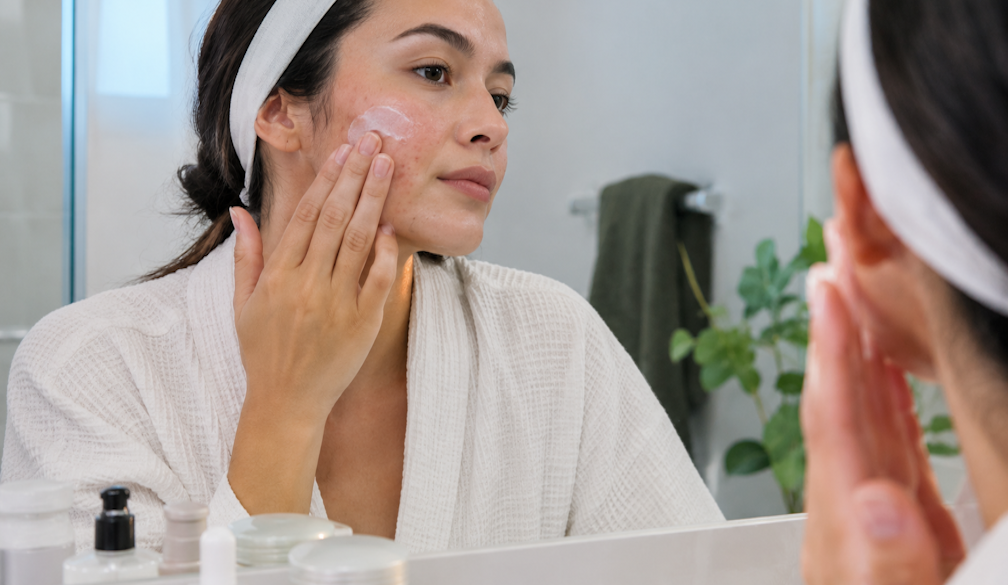
Acne used to be filed under "teenage problems", something you waited for with a tube of benzoyl peroxide and a lot of patience. That picture no longer fits. Plenty of Australians are dealing with breakouts well into their 30s and 40s, and the way acne is understood and treated has moved on considerably in the past decade.
Whether you're standing in the pharmacy skincare aisle or sitting in a consultation room at a clinic like Derm Skin Specialists, the options available today look very different from what was on offer even ten years ago. Treatment has become more targeted, more cautious about long-term side effects, and far more focused on preventing scars rather than simply clearing spots.
Here are the trends shaping acne care right now, and what they mean if you're trying to work out your next step.
1. Treating the cause, not just the breakout
The biggest shift is the move away from one-size-fits-all routines. Acne is driven by four overlapping factors: excess oil production, clogged pores, the Cutibacterium acnes bacteria, and inflammation. Which of these dominates varies from person to person.
Someone with mostly blackheads and whiteheads (comedonal acne) needs a different approach from someone with deep, painful cysts along the jawline. Modern treatment starts by identifying the acne type, likely triggers and skin type, then building a plan around that. It sounds obvious, but it is a real departure from the days of grabbing whatever promised the fastest results.
2. Retinoids take centre stage
Topical retinoids, vitamin A derivatives such as adapalene and tretinoin, are now considered a cornerstone of acne care rather than an optional extra. They speed up skin cell turnover, help keep pores clear and reduce the formation of new lesions. They also help with the marks acne leaves behind.
The trend is towards combination products, such as a retinoid paired with benzoyl peroxide in a single gel. These tackle several acne drivers at once and simplify routines, which matters because the best treatment is the one people actually stick with. Newer topical options continue to arrive in various markets too, including formulations that target hormonal pathways directly in the skin.
Retinoids do take patience. Results usually build over 8 to 12 weeks, and some dryness or irritation early on is common. Retinoids are not suitable during pregnancy, so anyone pregnant or planning a pregnancy should check with their doctor first.
3. A more careful approach to antibiotics
For years, long courses of oral antibiotics were a go-to for moderate acne. Growing concern about antibiotic resistance has changed that. Current guidance favours shorter courses, typically around three months, and always alongside a topical treatment like a retinoid or benzoyl peroxide so results hold once the antibiotic stops.
Topical antibiotics on their own are also used less, for the same reason. For patients, this means antibiotics are more likely to be a bridge to a longer-term plan than the plan itself.
4. Hormonal acne gets taken seriously
Adult acne in women often has a hormonal pattern: flares around the menstrual cycle, breakouts concentrated on the chin and jawline, and stubbornness against standard treatments. It can also be linked to conditions such as polycystic ovary syndrome (PCOS).
Hormonal therapies, including certain combined oral contraceptives and spironolactone, have become well-established options for the right patients. Rather than suppressing bacteria, they reduce the hormonal signals that ramp up oil production. These medicines need a prescription and proper medical assessment, but for many women they have been a turning point after years of trying topical products alone.
5. Isotretinoin, used more thoughtfully
Isotretinoin remains the most powerful acne medication available and the only one that can produce long-term remission for many people. It is typically reserved for severe, scarring or treatment-resistant acne.
What has changed is how it is used. Lower-dose regimens are increasingly common, which can reduce side effects such as dry lips and skin while still delivering strong results. There is also more emphasis on careful monitoring, including blood tests, strict pregnancy prevention because the drug causes serious birth defects, and regular check-ins on mood and mental health. In Australia, oral isotretinoin has traditionally been prescribed by dermatologists, which reflects how closely it needs to be managed.
6. In-clinic procedures as add-ons, not shortcuts
Chemical peels, light-based therapies such as photodynamic therapy, and laser treatments have grown in popularity. Peels using salicylic or glycolic acid can help unclog pores and refresh the skin's surface, while some light and laser treatments target bacteria or calm inflammation.
The important trend here is framing. These procedures work best as a supplement to medical treatment, not a replacement for it. Anyone offering a single session as a cure for active acne is promising more than the evidence supports.
7. Gentler skincare, and a healthy scepticism of social media
The old instinct was to dry acne out with harsh scrubs and stinging toners. Today the focus is on protecting the skin barrier. Gentle cleansers, non-comedogenic moisturisers and daily sunscreen, essential under the Australian sun, all support active treatments rather than working against them. Ingredients like niacinamide and azelaic acid have also gained a following for being effective while kind to sensitive skin.
At the same time, social media has made skincare advice louder than ever. Some of it is useful, but many trending hacks, from toothpaste on pimples to layering multiple strong acids, can inflame skin and make acne worse. The growing counter-trend is people checking claims against qualified medical advice before they experiment on their face.
8. Thinking about scars from day one
Acne scarring can be permanent, and it often causes more lasting distress than the acne itself. A key shift in thinking is that the best scar treatment is early, effective acne treatment. Getting inflammatory acne under control quickly reduces the chance of pitted or raised scars forming.
For marks that do appear, there are more options than ever. Post-inflammatory hyperpigmentation, the flat brown or red marks that linger after a breakout, often fades with time, sun protection and ingredients such as retinoids or azelaic acid. Textured scarring may respond to procedures such as microneedling, fractional laser or subcision, usually once active acne has settled.
9. Telehealth and easier access to care
Since the pandemic, telehealth has become a normal part of Australian healthcare, and skin care is no exception. Follow-up appointments, progress photos and repeat prescriptions can often be handled remotely, which helps people in regional areas or with busy schedules stay on track.
In-person assessment still matters, particularly for a first diagnosis or severe acne. But the overall effect has been to make ongoing care less of a hassle, and consistency is one of the strongest predictors of good results.
When it's time to see a professional
Mild acne often responds well to consistent over-the-counter care. It's worth booking in with your GP or a dermatologist if:
- breakouts haven't improved after two to three months of regular treatment
- you have deep, painful nodules or cysts
- your acne is leaving scars or dark marks
- acne appeared suddenly in adulthood or comes with irregular periods or excess hair growth
- it's affecting your confidence, mood or daily life
That last point deserves emphasis. Acne is not "just cosmetic". Its effect on self-esteem and mental health is well documented, and seeking help is entirely reasonable.
The bottom line
Acne treatment in 2026 is more personalised, more evidence-based and more mindful of long-term skin health than ever before. The common thread across these trends is a move from quick fixes towards sustainable, tailored care.
If there's one takeaway, it's this: you don't have to simply put up with acne, at any age. With the right diagnosis, realistic expectations and a bit of patience, clearer skin is an achievable goal for most people.