What Services Are Included in Professional Office Cleaning?
- Written by: Times Media
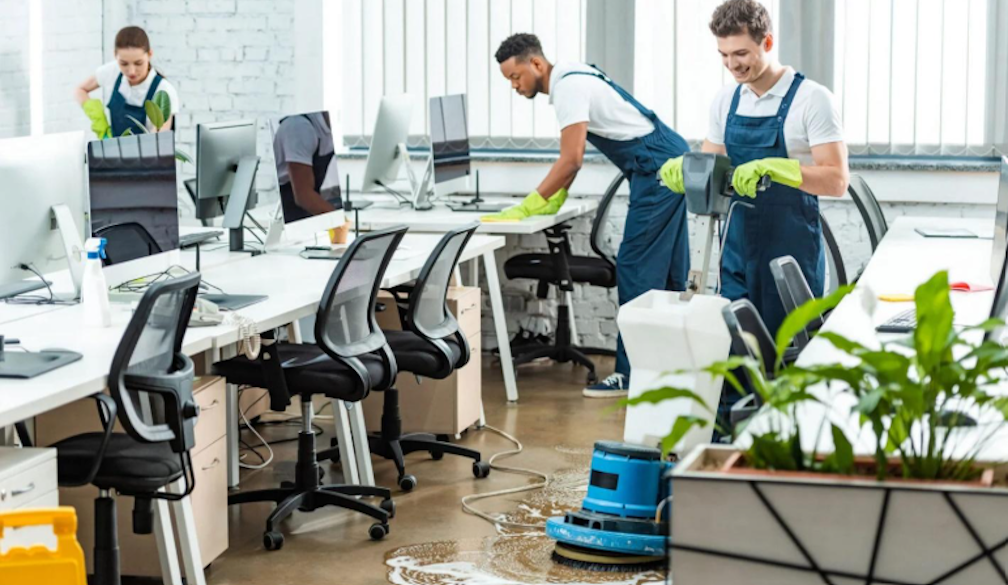
Professional office cleaning includes surface wiping, floor care, restroom sanitation, kitchen cleaning, and scheduled deep cleaning of carpets, glass, and high-touch areas.
These services are particularly important for businesses in Perth, the capital of Western Australia and one of the country's leading commercial centers. From corporate offices in the CBD and West Perth to industrial and business facilities in Osborne Park, Malaga, and Welshpool, workplaces across the city rely on clean and well-maintained environments to support daily operations.
Businesses that invest in office cleaning in Perth benefit from cleaner workspaces, healthier staff, and a more professional environment for clients and visitors. Regular cleaning also helps maintain workplace productivity by creating a comfortable and organized setting where employees can focus on their daily tasks.
Knowing what a professional cleaning contract covers helps you compare providers and choose the right fit for your office.
Daily and Routine Cleaning Tasks
Routine cleaning keeps the office functional and hygienic every day. These are the core tasks covered in most standard contracts. Skipping them leads to hygiene issues and a poor impression on staff and visitors.
Daily cleaning typically includes:
- Emptying waste and recycling bins across the office
- Wiping desks, countertops, and shared work surfaces
- Vacuuming carpets and mopping hard floors
- Cleaning and sanitizing restrooms, basins, and mirrors
- Restocking soap, paper towels, and toilet paper
- Spot cleaning glass partitions, doors, and entry areas
- Cleaning kitchen benchtops and sinks
Restroom and Hygiene Sanitation
Restroom cleaning is one of the most critical parts of any office cleaning service. A poorly maintained restroom creates health risks and leaves a bad impression on clients and staff. Professional cleaners follow strict sanitation protocols that go beyond a basic wipe-down.
Hospital-grade disinfectants are applied to all contact surfaces. This includes taps, flush handles, door locks, and soap dispensers. Floors are mopped with a sanitizing solution after surfaces are cleaned to stop cross-contamination.
Kitchen and Breakroom Cleaning
The kitchen is one of the most used and most neglected areas in any office. Professional cleaners follow a structured routine to keep it hygienic and safe. Each zone, from benchtops to floors, gets specific attention.
Surface and Appliance Cleaning
Cleaners wipe all benchtops, splashbacks, and appliance exteriors. This covers microwaves, fridges, and coffee machines. Cabinet handles and drawer fronts are wiped as part of the standard routine.
Waste and Sink Management
Bin liners are replaced daily to prevent odor and pest attraction. Sinks are scrubbed and sanitized to stop mold and bacteria from building up. Food waste areas are disinfected to meet workplace health standards.
Floor Cleaning
Kitchen floors collect grease and moisture faster than other office areas. Cleaners use degreasers to maintain a safe, slip-free surface. Periodic deep cleans target under appliances and cabinetry where buildup hides.
Periodic and Deep Cleaning Services
Routine cleaning alone is not enough to maintain long-term hygiene. Scheduled deep cleaning services target areas that daily or weekly cleaning may not fully address. Depending on the office's needs, these services may be performed weekly, monthly, quarterly, or on a customized schedule.
Periodic deep cleaning typically includes:
- Steam cleaning or shampooing carpets to lift stains and embedded dirt
- Full window cleaning, including frames and sills
- High dusting of ceiling vents, light fittings, and elevated surfaces
- Sanitizing keyboards, phones, and shared electronic equipment
- Stripping and resealing hard floors to restore their finish
- Deep cleaning behind furniture and inside storage areas
- Pressure washing entry areas, steps, and building facades
Key Takeaways
- Daily cleaning covers bins, floors, surfaces, restrooms, and kitchens as standard.
- Restroom sanitation uses hospital-grade disinfectants on all high-contact surfaces.
- Kitchen cleaning covers appliances, sinks, waste management, and floors.
- Periodic deep cleaning addresses carpets, windows, vents, and hard floors on a schedule.
- Contracts should clearly separate routine tasks from periodic deep clean inclusions.
- High-touch surfaces like phones and keyboards need specific disinfection protocols.
- Matching the cleaning scope to your office size ensures consistent hygiene standards.