Ford Falcon BA BF Smart Dashboard Upgrades Every Australian Ford Owner Wants in 2026
- Written by: Times Media
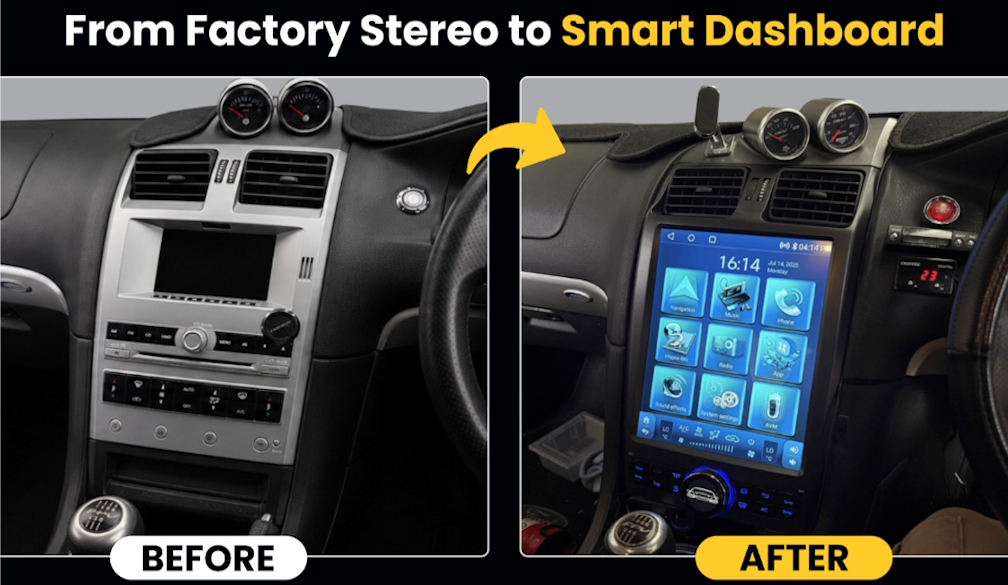
The Ford Falcon BA and Ford Falcon BF serve as more than vehicles to most Australians who view them as essential components of Australia’s automotive history. The Falcons from this era have earned their reputation because they deliver high performance and maintain their operational capabilities while being dependable. The XR6 Turbo and V8-powered XR8 and Fairmont Ghia luxury model continue to operate on Australian streets. The majority of their mechanical systems function effectively, but many users experience disappointment with the performance of their in-car technological systems.
Older factory stereos, inadequate connectivity, and no modern driving features can make the most cherished Falcon seem like it is behind the times. That’s the reason more Australian drivers are now upgrading their Ford Falcon BA BF head units with premium infotainment solutions from Kayhan Audio, which gives the power to enjoy modern features like Apple CarPlay, Android Auto, Bluetooth connectivity, and smart navigation while increasing the car sound quality, comfort, and familiarity they already love about their Falcon.
Why Modern Infotainment Matters More Than Ever
The attitudes towards driving in Australia have undergone an enormous shift in the last ten years. The drivers of today's automobiles have come to expect that they will be mobile spaces that integrate navigation, music, communications and the smartphone. Gadgets like Apple CarPlay, Android Auto, Bluetooth streaming, and touch navigation are no longer just premium options; they are features that are increasingly vital to convenience and safety.
With an older Falcon, these functions are often totally missing from the factory. As a result of this technology gap, more and more advanced infotainment installations are expected, which make the classic dashboard into a modern command centre. Some Falcon owners are opting for a much more sensible alternative: Upgrading the stereo system to fit this digital world of today.
The Lasting Strength of the BA & BF Falcon Platform
Part of the reason why it is a smart move to do these upgrades is that the BA-BF Falcon system is still very solid.
Their engines were powerful, and their drivetrains reliable, while their body shapes were rich and included sedans, wagons and utes. This is because they remain popular and thousands of drivers in Australia continue to use them for both their personal and professional journeys.
Popular upgrade-compatible variants include:
- BA XR6 Turbo
- BF XR6 Turbo
- XR8
- Falcon XT
- Futura
- Fairmont
- Fairmont Ghia
- FPV F6 Typhoon
- FPV GT
- BF Mk2 and BA Mk2
You can get a lot of bang for your buck in the amount of noise reduction you get from the infotainment system, since these cars are still pretty similar mechanically.
Transforming the Driving Experience with a Smart Dashboard
The drive to meet the demands of today's world has called for splendid music reception, home-phone-communication initiatives, easy use, and more safety fixes for the musicians.
A quality Ford Falcon BA BF head unit upgrade can provide:
|
Feature |
Factory Stereo |
Modern Smart Head Unit |
|
Bluetooth Connectivity |
Limited |
Full wireless support |
|
Apple CarPlay / Android Auto |
Not available |
Fully integrated |
|
GPS Navigation |
Basic or unavailable |
Real-time smart navigation |
|
Touchscreen Display |
Not available |
Large HD interface |
|
Reverse Camera Support |
Rare |
Common |
|
App Access |
Not available |
Extensive |
This upgrade shifts the vehicle from an older analog feel into a connected driving experience that better suits modern Australian roads.
Many owners also claim that their entertainment and usability have improved. Faster access to key apps, safer commuting and real-time maps can significantly improve the daily commute.
Vehicle-Specific Upgrades Offer Better Results
The Australian automotive aftermarket is undergoing significant change, with the emergence of vehicle-specific infotainment systems as a major development.
Special Ford Falcon BA BF aftermarket stereos are built to fit seamlessly into the system, avoiding the hassle of custom fit and reducing the risk of affecting the dashboard design.
These solutions often preserve:
- Factory dashboard styling
- Steering wheel controls
- OEM appearance
- Plug-and-play installation
- Fully Compatible with car factory features
A Practical Financial Decision for Australian Car Owner’s
With new car prices continuing to rise across Australia, replacing a functioning vehicle is becoming increasingly expensive. For many Falcon owners, modernising their existing car through technology upgrades is a far more sensible investment.
Vehicle owners can improve their vehicle's resale value, operational efficiency and driveability through dashboard system upgrades, which cost only a small fraction of vehicle purchase expenses. Drivers who trust their Falcon's mechanical reliability will find this strategy to be most beneficial. The existing system provides high performance to users who want to experience new advantages from the latest technological upgrades.
Preserving an Australian Icon While Moving Forward
Australian automotive culture has permanently integrated the Ford Falcon as an essential component. The vehicles serve as a demonstration of local engineering skills and their ability to dominate roads and provide enjoyable driving experiences to drivers. The new features enable users to maintain the historical value of their possessions while meeting current technological standards.
Australian car enthusiasts now prefer to upgrade their old performance vehicles with modern technologies instead of completely discarding them. The Ford Falcon BA BF head unit upgrades extend beyond entertainment purposes because they establish a connection between traditional Australian driving and modern-day user-friendly features.
Looking Ahead: Keeping Iconic Cars Relevant
Drivers must upgrade older vehicles to meet their driving requirements because technological progress requires such changes. The Ford Falcon BA and BF factory stereo system can be transformed into a smart dashboard through its upgrade, which serves as the most effective transformation method for drivers. Vehicle owners gain substantial benefits through the integration of Apple CarPlay and Android Auto, Bluetooth and GPS navigation and responsive touchscreen controls, which maintain their existing vehicle performance.
Australians who maintain their Falcon's power and reliability through modernisation do not seek to replace the vehicle but instead work to improve its future capabilities. The smart dashboard upgrade from the factory stereo system enables these historical vehicles to maintain their presence in the changing automotive industry.